
Prime Minister Narendra Modi’s two-day “PM Modi Uzbekistan visit” ended with a bigger promise than the headlines suggest: India and Uzbekistan have upgraded ties to a Comprehensive Strategic Partnership, but the real test is whether the announcements produce uranium supplies, mineral projects, factories and actual two-way trade.
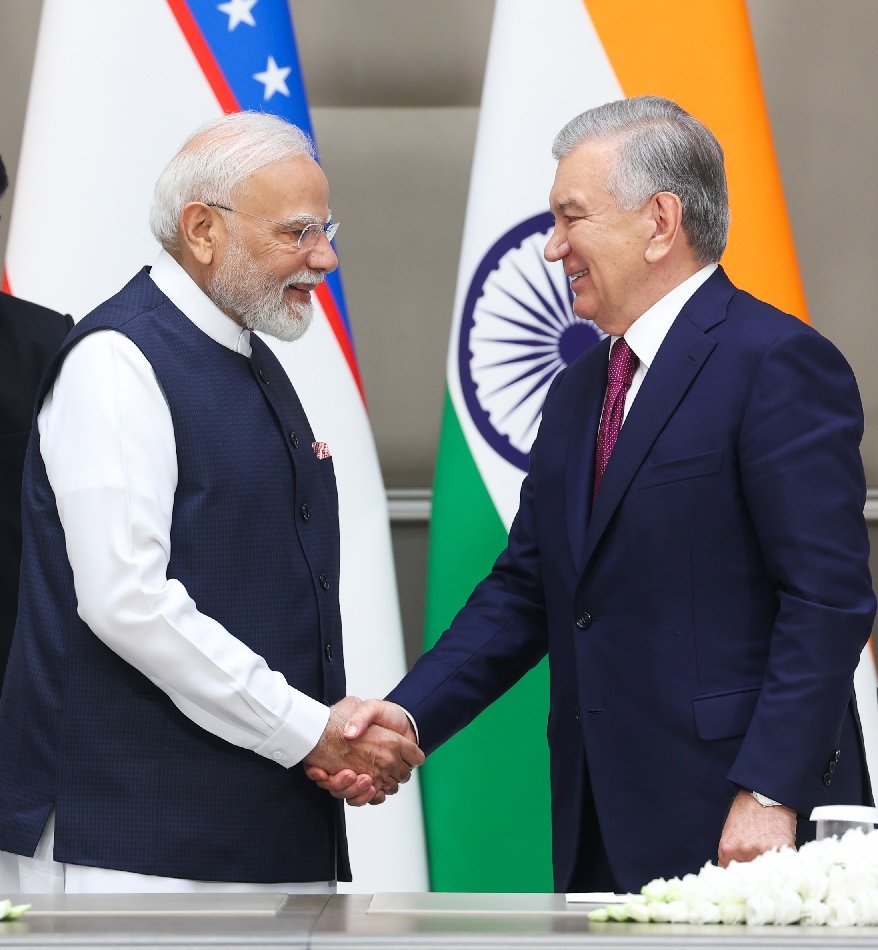
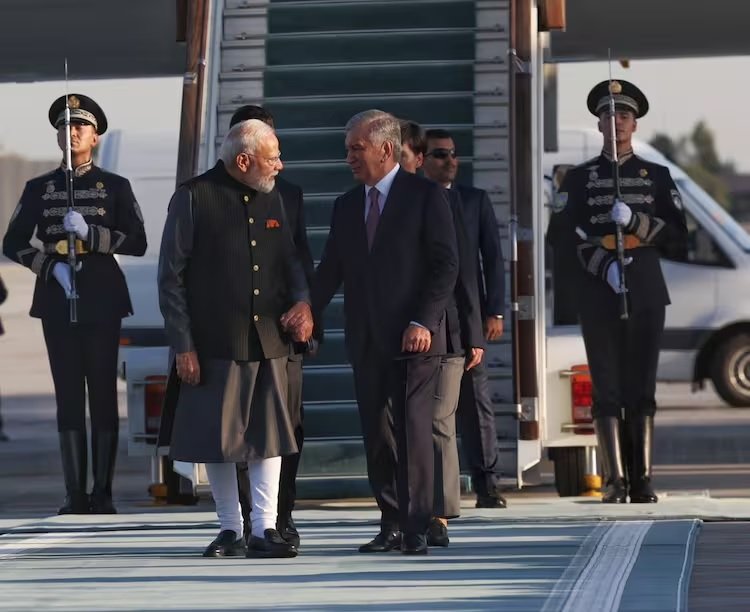
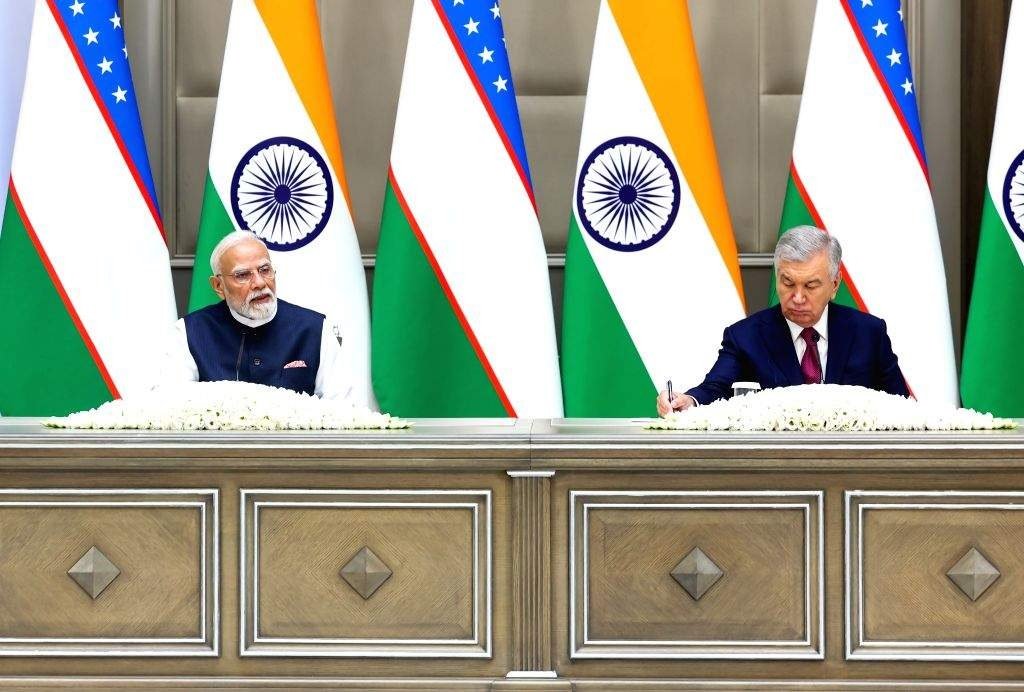
Modi met Uzbek President Shavkat Mirziyoyev in Tashkent on August 30th after arriving for a state visit on August 29. The two leaders agreed to push annual bilateral trade above $5 billion by 2030, establish a foreign-minister-led coordination council and raise their existing intergovernmental commission to ministerial level. The visit was Modi’s fourth to Uzbekistan. He then travelled to Bishkek, Kyrgyzstan, for the Shanghai Cooperation Organisation summit.
PM Modi Uzbekistan visit has a uranium catch
The most consequential announcement was not a signed uranium contract, despite some reports using that description. Modi said the two sides would establish a “long-term arrangement for the supply of uranium”, while MEA Secretary (West) Sibi George said they were “closing in to the signing of an agreement very shortly.” The official PMO account describes progress towards a long-term arrangement. That distinction matters.
India already has a uranium supply history with Uzbekistan. A contract signed on January 18, 2019 covers 1,100 metric tonnes of uranium (MTU) in natural uranium ore concentrates for delivery from 2022 through 2026. So the August announcement appears to be aimed at securing a new long-term arrangement as that existing contract reaches its end. Uzbekistan is not a minor producer: World Nuclear Association data puts its 2024 uranium output at an estimated 4,000 tonnes, while newer country data lists 5,200 tonnes in 2024 and 7,000 tonnes in 2025.
Also see: Indian Rupee Falls Against US Dollar as Oil Prices, Foreign Fund Outflows Pressure the Currency
Also see: Sonam Wangchuk to Join June 6 Protest Seeking Dharmendra Pradhan’s Resignation
Also see: Strait of Hormuz Crisis: US-Iran Tensions Disrupt Global Oil Trade
Also see: Women’s Reservation Delimitation Bill 2026 Sparks Clash
The bigger problem is the $5 billion trade target
India and Uzbekistan were already trying to fix trade barriers before Modi arrived. In June, their intergovernmental commission said trade had reached $1.3 billion in 2025 and agreed to address non-tariff barriers while working toward doubling trade over three years.
But the trade is badly unbalanced. Uzbekistan reported exports to India of just $164.6 million in 2025, while imports from India reached $1.15 billion. India’s exports therefore dominate the relationship. Reaching $5 billion by 2030 means almost quadrupling the 2025 turnover. It will require far more than selling additional Indian pharmaceuticals, engineering goods or consumer products.
That imbalance is a warning sign. A trade target is easy to announce; creating enough Uzbek exports, joint production and investment to support it is much harder. The mineral and manufacturing push will be the test.
The new agenda points toward minerals, mining, automobiles, agriculture, healthcare, digital services, logistics and manufacturing. The countries also signed an agreement on geological and mineral resources, including critical minerals. That could become the strategic core of the partnership because India wants more secure supply chains for minerals needed across defence, electronics, batteries and advanced manufacturing.
Also see: The official Joint Statement during the State Visit of Prime Minister Narendra Modi to Uzbekistan
The deals go beyond trade
The two governments exchanged 11 agreements covering mining, tourism, culture, education, environmental cooperation, higher education, scientific research and economic and financial dialogue. India also announced a $1 million grant for afforestation in the Aral Sea region and a scholarship programme for Uzbek students learning Hindi.
One of the most practical outcomes is digital. NPCI International Payments Ltd and Uzbekistan’s National Interbank Processing Centre signed a commercial agreement allowing Indian UPI apps to scan Uzbekistan’s national UZQR codes for merchant payments. That could make spending easier for Indian tourists and business travellers while giving India’s digital public infrastructure another foothold overseas.
Uzbekistan also announced a 30-day visa-free regime for Indian citizens. President Mirziyoyev said it would strengthen tourism, business exchanges and people-to-people contacts. The announcement is clear; the next reporting step is to establish the effective date and detailed immigration rules.
Also see: Can India Broker Peace in the US–Israel–Iran Conflict?
Also see: Mojtaba Khamenei Escapes Death by Seconds in US Strike That Killed Iran’s Supreme Leader
Also see: Why Global Investors Are Exit China Amid Trade War Uncertainty
Defence and Central Asia are the larger game
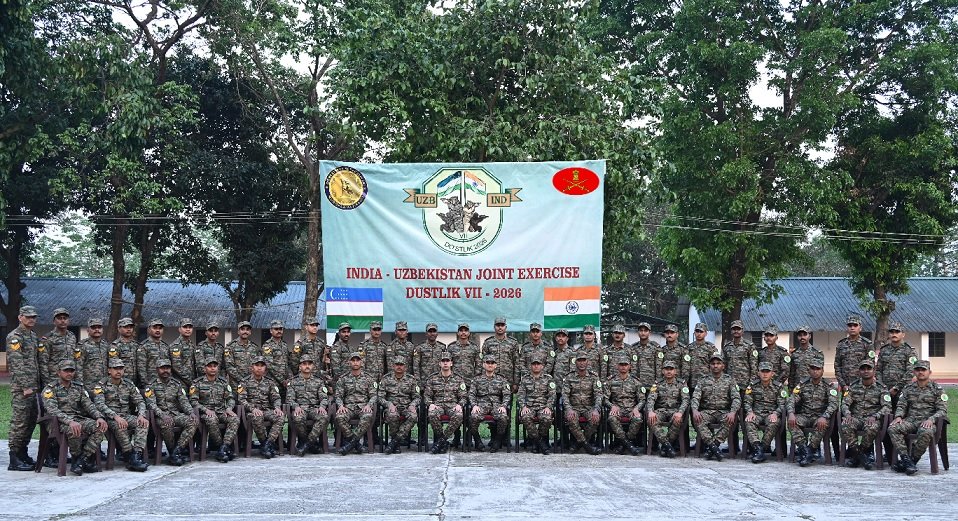
The partnership is also moving into defence. India and Uzbekistan have held the DUSTLIK military exercise, and the new statement calls for direct linkages, co-production and co-development between their defence industries. Modi said the defence relationship reflects the “deep mutual trust” between the countries.
The geography explains why this matters. India has no direct land route to Central Asia through Pakistan. Connectivity therefore remains a structural problem, making routes involving Iran, Chabahar and the International North-South Transport Corridor strategically important. Uzbekistan, meanwhile, has strong economic ties with China and historical security links with Russia. India is not replacing either power. It is trying to secure a larger seat at the table.
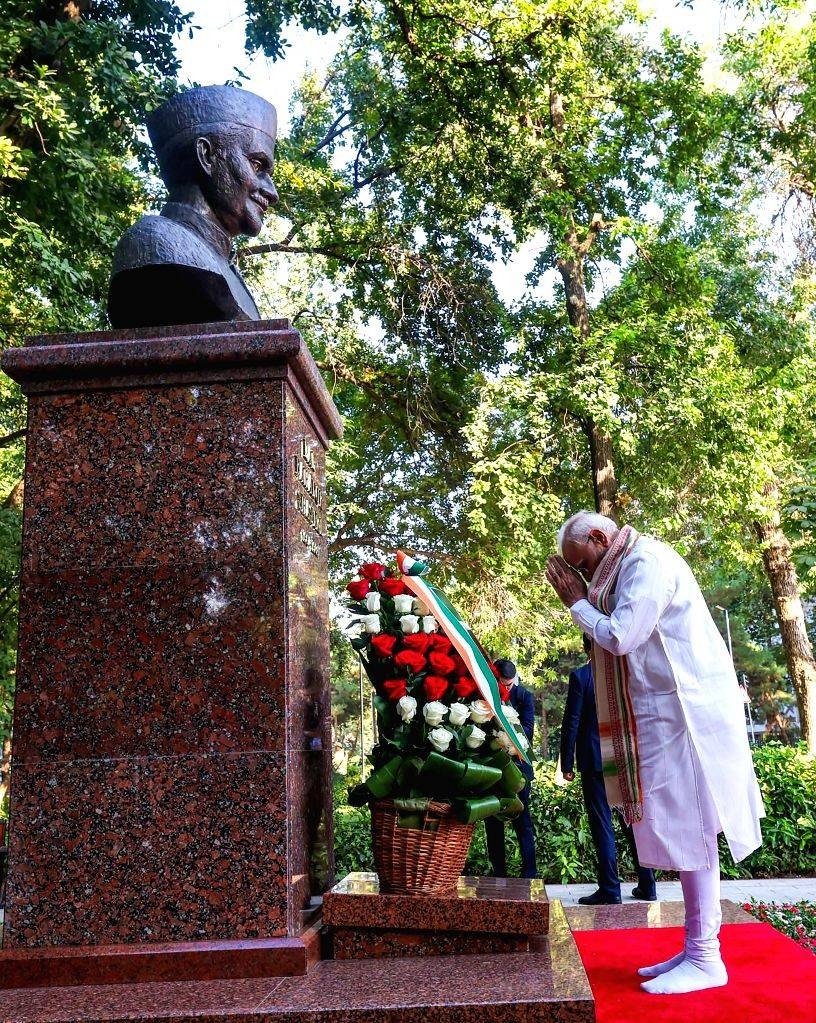
There is also a carefully chosen historical layer. Modi visited the Lal Bahadur Shastri Memorial in Tashkent, 60 years after Shastri died there following the signing of the 1966 Tashkent Declaration. The two governments also agreed to conserve Buddhist heritage sites at Fayaz Tepa and Kara Tepa.
Also see: China’s Trade Balancing Act: Slow Exports, Slumping Imports, and a $170 Billion Question.
Also see: US Job Market Balances Stability and Uncertainty as Government Cuts Bite
Also see: Ontario Tax Analysis
Also see: Investors Turn To Sanctions- Proof Strategies Amid Rising Geopolitical Stresses
The number that will matter
The ceremonial moments, including Mirziyoyev conferring Uzbekistan’s highest state honour for foreign leaders on Modi, will dominate the political imagery. But the harder measure is economic.
Can the two countries move from $1.3 billion in trade to $5 billion? Can Uzbekistan sell significantly more to India? Will the uranium arrangement actually be signed? Will critical-mineral cooperation produce mines and processing projects rather than another memorandum? And will UPI, visa-free travel and new investment translate into measurable business?
Those are the numbers that will decide whether this is durable.
For now, the partnership has a strong political framework. The difficult part starts after the cameras leave Tashkent.
Also see: Meta India Head Named in FIR Over Morphed PM Modi Posts During CJP Protests
Also see: Japanese Yen Crisis: Inside the Rare US-Japan Intervention
Also see: Lok Sabha Passes Bill to Expand Supreme Court Strength to 38