
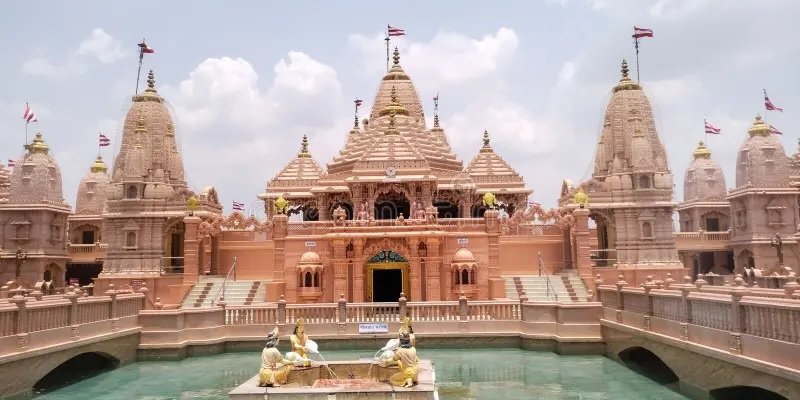
The Ram Temple Trust has made its biggest administrative change since the temple project entered its current phase: retired Air Marshal Jeetendra Mishra has been appointed its first Chief Executive Officer, while three new trustees have been brought into the governing body. The decision came after months of scrutiny over alleged donation theft, the resignations of senior office-bearers and a Supreme Court-monitored investigation into the Trust’s financial affairs.
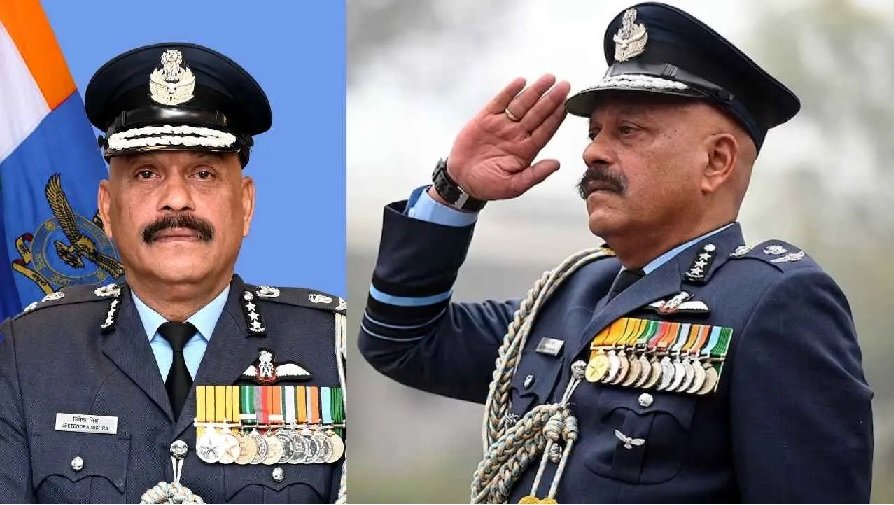
Mishra’s appointment was announced after the Shri Ram Janmabhoomi Teerth Kshetra Trust met in Ayodhya on September 2. He was selected from 5,585 applications after a selection exercise that lasted nearly two months. The committee eventually submitted a 75 page report containing three recommended names before the Trust made its final choice.
Also see: Ram Temple donation theft: VHP to await SIT probe on Rai
Also see: Why PM Modi Called Japan’s PM Sanae Takaichi ‘My Younger Sister’ During Summit in New Delhi
Also see: Meta India Head Named in FIR Over Morphed PM Modi Posts During CJP Protests
5,585 Applications, Three Final Names, Then Mishra Got the Job
The scale of the recruitment process was unusual for a religious trust. The search committee was formed on July 6, 2026, with retired Justice Permod Kohli, retired Lieutenant General Vishnu Kant Chaturvedi and scientist Suresh Haware. The application deadline was July 18, by which time 5,585 applications had arrived. After scrutiny, 1,580 applicants were considered eligible and suitable.
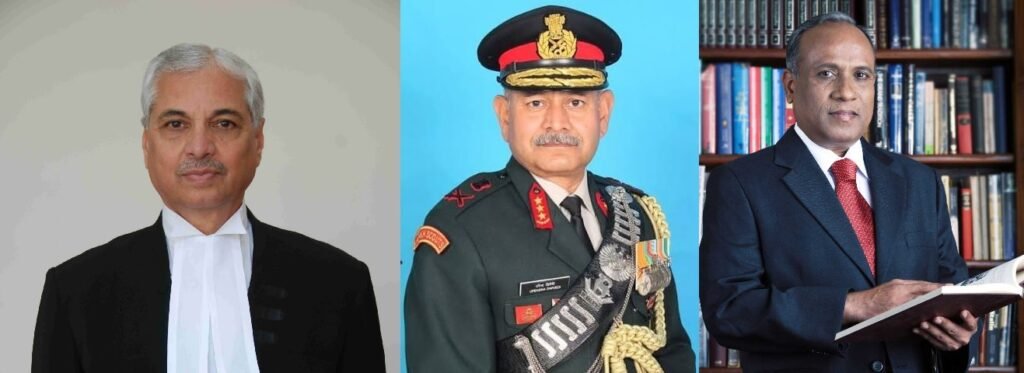
The filtering became increasingly narrow. 108 candidates participated in online interactions between August 3 and 6, while 16 finalists travelled to Ayodhya for face-to-face interactions on August 11 and 12. On September 1, the committee submitted its final report and a panel of three candidates. The following day, Mishra was appointed.
Also see: The $48.8 Billion Enterprise AI Boom Is Here. Most Businesses Aren’t Ready
Also see: Shahi Paneer Recipe with Naan | Restaurant-Style Guide
Also see: Lok Sabha Passes Bill to Expand Supreme Court Strength to 38
Mishra brings a very different profile to the Ram Temple administration. He spent decades in the Indian Air Force and served as Western Air Command chief during Operation Sindoor. He retired in April 2026 and was awarded the Sarvottam Yudh Seva Medal for distinguished service. The Trust has effectively chosen a former senior military commander to run the day-to-day executive machinery of one of India’s most prominent pilgrimage centres.
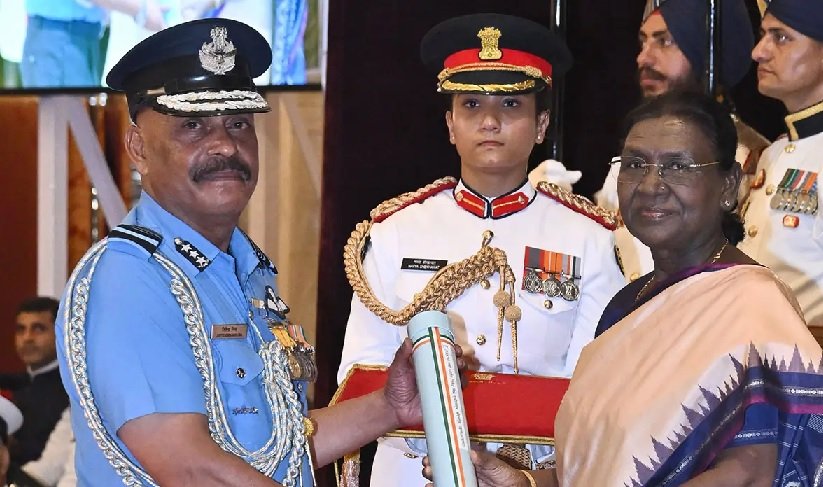
Mishra said he regarded the appointment as an opportunity to serve devotees after his military career. “I consider this a great fortune that they chose me from so many candidates,” he said, describing the appointment as the blessings of Lord Ram after 43 years of service.
But the timing of the appointment is as important as the appointment itself.
The CEO Arrives After a Donation Controversy That Shook the Trust
The new structure follows a damaging controversy over alleged irregularities in the handling and counting of donations at the Ram Temple in Ayodhya.
The Uttar Pradesh government constituted a three member Special Investigation Team on June 13 after the Trust requested an inquiry. A preliminary nine page report submitted on June 23 was followed by an FIR and the arrest of eight accused. Investigators also traced and recovered cash allegedly siphoned from temple donations.
The controversy quickly reached the Trust’s top leadership. General Secretary Champat Rai and trustee Anil Mishra tendered their resignations in June, with the Trust later accepting them. Mishra had responsibility for supervising the cash counting procedure, according to reporting on the controversy.
The Trust publicly insisted that devotees’ valuable offerings were safe. In its June statement, it said: “We are shocked, hurt, and deeply saddened by the incidents reported over the past few days regarding the Shri Ram Mandir (Ayodhya).” It also said it was committed to a fair investigation.
That position has remained important because the allegations concern not simply missing cash, but the systems used to receive, count, secure and account for offerings at the Ram Temple.
The Supreme Court subsequently sought a status report from the UP SIT and asked for details of the team’s composition. Later proceedings focused on restructuring the investigation and strengthening its leadership, while petitions before the court sought a more independent investigation and financial scrutiny.
By August, the Supreme Court had also allowed petitioners and other bona fide public-spirited people to submit suggestions concerning areas that should be examined by the SIT. The investigation therefore moved beyond the original allegations toward wider questions concerning the Trust’s financial systems.
Also see: Sri Ganganagar Rape Case: Police Arrest 10 Accused
Also see: Lucknow Fire: The Building That Killed 15 Was Already Illegal
Also see: Attack at Khan Sir Coaching Centre Sparks Tension in Patna, Police Probe Rivalry Angle
Three New Trustees, ₹1,882 Crore in Funds and a Push to Reduce Human Handling
The September 2 meeting was not only about the CEO.
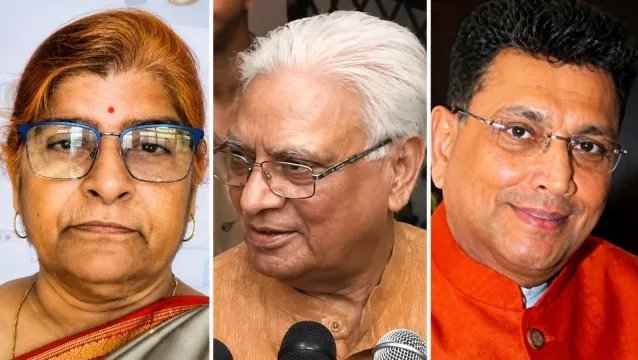
The Trust inducted Mahesh Bhagchandka, Madan Mohan Pandey and Dr Nirmala Yadav. Bhagchandka, 68, is a Delhi-based businessman and philanthropist associated with the Ashok Singhal Foundation. Pandey, 74, is an advocate and former Additional Advocate General of Uttar Pradesh who represented Shri Ram Lalla Virajman in the Ram Janmabhoomi litigation from 1990 to 2019. Yadav, 66, is an academic who spent 19 years as a college principal and 15 years on a university executive council.
Yadav’s appointment is particularly notable: she becomes the first woman trustee of the Shri Ram Janmabhoomi Teerth Kshetra Trust. Bhagchandka has also been appointed treasurer, while Swami Govind Dev Giri has moved into the general secretary’s position. Krishna Mohan, who handled the general secretary’s responsibilities during the previous two months, was thanked by the board.
Then came the financial numbers.
The Trust approved its 2025-26 accounts, reporting income of ₹237 crore and general expenditure of ₹91 crore. A further ₹425 crore was spent as capital expenditure on construction and related works. As of March 31, 2026, the Trust reported total available funds of ₹1,882 crore.
The Trust is also looking at technology to reduce human involvement in counting cash offerings. Proposals from two major banks and IITs are being evaluated. That move directly addresses one of the most sensitive points exposed by the donation controversy: how physical offerings are counted, recorded and transferred into the financial system.
For the Ram Temple Trust, this is therefore more than a routine leadership appointment. It is an administrative reset following a turbulent summer. A decorated military commander is now heading the executive side, the board has three new members, financial figures have been formally approved and technology is being considered for donation counting.
The unanswered part is the investigation. The Trust has promised transparency, while the Supreme Court continues to scrutinise the probe into alleged financial irregularities. Mishra now inherits an organisation carrying both enormous public faith and a financial system under intense examination.
Also see: Delhi Assault Case Sparks Outrage After Northeast Women Allege Racist Abuse, Molestation
Also see: BJP Aide Chandranath Rath Shot Dead Near Kolkata, Party Alleges Planned Political Killing
Also see: US Tourist Found Dead in Srinagar, Police Begin Medico-Legal Investigation