
Putin Offers Ukraine One Day to Vote While Rejecting Zelenskyy’s 60-Day Truce
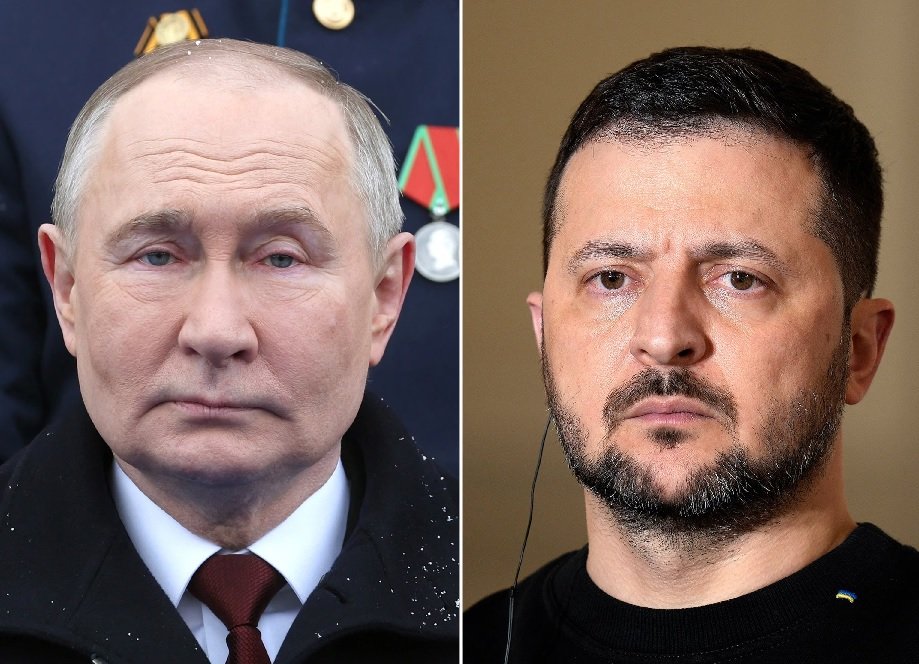
Russia says it could halt strikes on Ukraine for election day, but the Kremlin has rejected President Volodymyr Zelenskyy’s request for a 60-day ceasefire to make Ukraine elections possible, leaving the rival proposals sharply different in scope. Kremlin spokesperson Dmitry Peskov said on October 12 that Moscow wanted an overall peace settlement, while suggesting President Vladimir Putin could order Russian forces not to strike on the day Ukrainians vote.
The offer, following Zelenskyy’s October 11 interview, does not establish that a ceasefire has been agreed or that Ukraine can safely organise a vote. Zelenskyy asked Russia to provide “60 days of total ceasefire” and said Ukraine would organise elections if Moscow accepted. The Kremlin instead described a one-day pause as a possible measure.
A single day without strikes would not provide a secure campaign period or resolve voting for soldiers, refugees and citizens in Russian-occupied territory.
Also see:Trump’s Russia Hypocrisy Explodes as He Buys Putin’s Diesel While Threatening the World
Also see: Russia Plague Lab Death and 5,000 Tests Raise Questions
Russia demands a vote but rejects the proposed truce
Peskov said the Kremlin wanted long-term peace rather than a temporary ceasefire. He also accused Kyiv of seeking a pause to regroup and continue the war. Russia has repeatedly challenged Zelenskyy’s legitimacy because Ukraine has not held a presidential election during the full-scale war. Ukraine’s position rests on its wartime legal framework: martial law bars presidential elections and the country’s constitutional arrangements provide for the incumbent to continue exercising presidential duties until a successor takes office.
Zaluzhnyi emerges as Zelenskyy’s closest potential rival
If Ukraine elections are held after martial law ends, former armed forces commander Valerii Zaluzhnyi appears to be Zelenskyy’s strongest potential challenger in current polling. A Rating Group survey conducted from October 3 to 5 found 22.9% of respondents would choose Zelenskyy in a hypothetical first round, compared with 20.2% for Zaluzhnyi.
Read now: Суспільно-політичні настрої українців (3-5 жовтня 2026)
Also see: Russian Ballistic Missile Strike on Kyiv Kills Two as Attacks Intensify Across Ukraine
The poll placed former president Petro Poroshenko and former defence minister Mykhailo Fedorov at 7.6% each, followed by presidential office chief Kyrylo Budanov at 6.7%. Andrii Biletskyi received 5.4%, and Dmytro Razumkov 5.1%.
The survey used computer-assisted telephone interviews with 1,000 adults, excluding temporarily occupied areas and places without Ukrainian mobile coverage. Its stated margin of error was no more than 3.1 percentage points at a 95% confidence level. Zelenskyy’s 2.7-point lead over Zaluzhnyi is therefore too narrow to treat as decisive.
Zaluzhnyi, now Ukraine’s ambassador to the United Kingdom, has not publicly declared a presidential campaign. Speaking at Chatham House in February, he said he would discuss his political future only after the war ended and martial law was lifted. He should therefore be described as a potential challenger, not a confirmed candidate.
The legal and security questions remain unresolved
Ukraine’s election timetable is constrained by martial law, while the logistics of voting during active hostilities remain formidable. The October poll excluded occupied areas and locations without Ukrainian mobile coverage, underscoring that its results cannot be assumed to represent every Ukrainian eligible to vote.
A credible election would require decisions on voter registration, soldiers’ ballots, refugees abroad, displaced people, campaign access, observation and security. No plan for those issues was announced on October 12.
For now, Russia has offered a possible halt to attacks on election day while refusing the longer ceasefire Ukraine requested. Zelenskyy has said he is prepared to organise a vote under a 60-day truce, but no such truce has been accepted. Zaluzhnyi leads the field of potential challengers closely enough to draw attention, yet he has made no public commitment to run. The next concrete test is whether Moscow will put its one-day proposal into a formal, verifiable arrangement and whether Kyiv’s legal and electoral authorities can set out conditions for a vote that Ukrainians can safely and credibly take part in.
Also see: Riyadh Airport Attack Kills Three as Houthi Strikes Escalate
Also see: Omani Co-Pilot Interrogation Reveals Planned Attack