
The Omani co-pilot’s interrogation exposes a planned flight-to-weapon plot
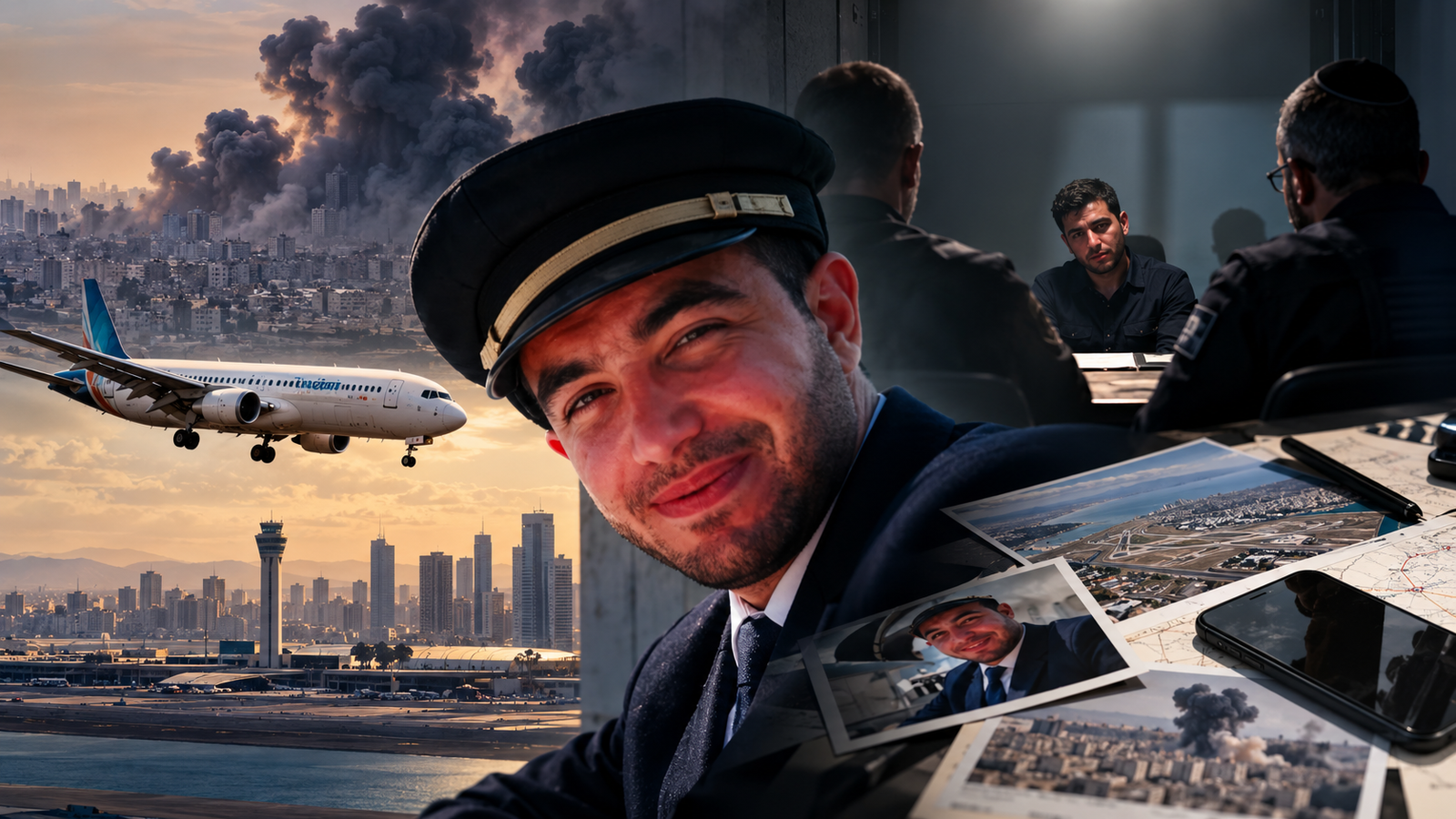
Hamam al-Hammami, the Omani co-pilot accused of attacking the captain of flydubai Flight FZ1073, told investigators in the United Arab Emirates that the operation was planned before he joined the airline, according to two Israeli officials familiar with the probe. The reported interrogation has turned a chaotic cockpit assault into a more disturbing question: was the September 30 attack improvised or was the aircraft deliberately selected as a weapon?
Israeli security officials have sent Shin Bet interrogators to the UAE to participate in questioning al-Hammami, 29, who is being held there. The Shin Bet’s participation was approved for publication by Israeli security officials, while the agency itself has declined to comment. The UAE has formally described the incident as an attempted terrorist attack.
What al-Hammami reportedly told investigators
According to Israeli officials briefed on the interrogation, al-Hammami said he intended to kill or neutralize Captain Smit Machchhar, keep the flight operating normally long enough to obtain the required landing clearances and then crash the aircraft at Ben Gurion Airport near Tel Aviv. Another account of the interrogation says he researched airlines operating routes to Tel Aviv before choosing flydubai.
Also see: Plane Incident: Flydubai Pilot Attack on FZ1073
Also see: Goldy Brar: FBI Most Wanted With $1 Million Reward
One reported quote attributed to al-Hammami is blunt: “The dream was to crash into Ben-Gurion Airport.” Other reported interrogation details say he described the operation as “revenge for Gaza” and said, “I wanted to die as a shahid.” Those statements have been attributed to Israeli sources and have not been publicly released as a transcript, so they remain reported evidence rather than independently verifiable testimony.

Investigators are also examining whether the September 30 attempt was the first plan. Reports from Israeli sources say al-Hammami told interrogators that he had considered carrying out a similar attack in July but abandoned it because a friend was among the crew. That account, if confirmed, would indicate a decision based on opportunity rather than a sudden breakdown during the flight.
The attack inside the cockpit
FZ1073 left Dubai for Tel Aviv on September 30 with 174 passengers and eight crew members. Flight-tracking data showed the Boeing 737 descending about 14,125 feet in 29 seconds during the crisis. The aircraft transmitted emergency code 7700, briefly switched to 7500, the international code for unlawful interference and ultimately diverted to Tabuk, Saudi Arabia.
Machchhar later told Israeli Prime Minister Benjamin Netanyahu that al-Hammami asked to pray before attacking him. “Suddenly, after I think I would say about four to five minutes, there was a big blow to the back of my head,” Machchhar said. He described repeated blows and said he eventually forced open the cockpit door, allowing people outside to enter and restrain the co-pilot.
The UAE prosecutor general said preliminary findings showed the co-pilot attacked the captain with the cockpit’s emergency axe and attempted to take control of the aircraft. Both pilots were initially treated in Tabuk and were later transferred to Abu Dhabi after medical clearance.
Also see: Jaipur Murder: Pregnant Woman Found Buried in Garden
Also see: Sri Lanka Had the Warnings. So Who the Hell Let Easter Sunday Happen?
The unanswered part of the interrogation
The interrogation has not established publicly whether al-Hammami acted alone. Israeli investigators are examining his mobile phone and his travel history, while officials are checking whether any person or organization recruited, encouraged or directed him. One Israeli account says investigators are also examining whether he had made brief visits to countries hostile to Israel.
There is another critical gap. Israeli and regional investigations have reported no established connection between al-Hammami and a known militant organization and there is no publicly established evidence tying Iran to the operation. Israeli officials are still trying to determine whether the motive was personal, ideological, organizational or some combination.
The interrogation also intersects with an earlier warning that could prove central to the investigation. Multiple sources reported that al-Hammami had previously been removed from flying duties at Oman Air over concerns about extremist views before later working for flydubai. How those concerns were communicated, recorded and evaluated before he was assigned to a Tel Aviv flight is now part of the wider security investigation.
The investigation is also widening beyond the cockpit. Israeli officials had received the crew and passenger list before departure, yet al-Hammami was not flagged before boarding that day. Authorities are now examining who was responsible for screening the list and why existing restrictions on Omani pilots flying to Israel did not prevent his assignment.
For now, the most consequential evidence is not the dramatic cockpit footage or the emergency diversion. It is the reported account that the attack was conceived before al-Hammami joined flydubai, paired with investigators’ claim that he had considered an earlier attempt. Those details, if corroborated through records, devices and further questioning, would transform the case from a mid-air assault into a premeditated aviation attack. The UAE investigation is continuing, while Israeli officials continue examining the suspect’s contacts, travel and digital records.
Also see: Travis Kelce Named Victim in $35 Million Fraud Case
Also see: Terrorism in Pakistan Hits a New Peak as Masood Azhar Case Exposes a Deeper Security Crisis