

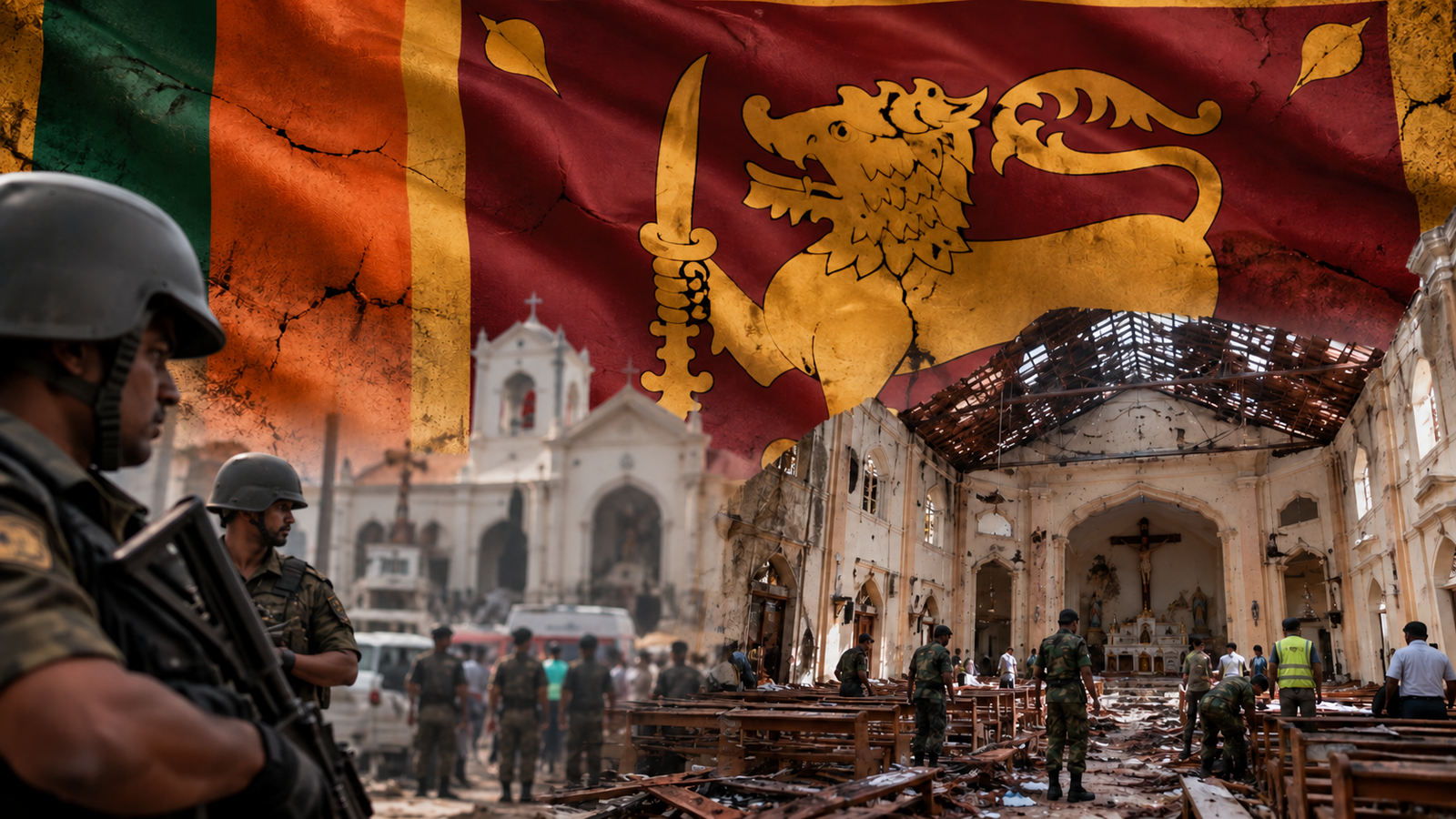
15 Convicted After Sri Lanka’s Easter Sunday Bombings
Sri Lanka has sentenced 15 men convicted over the 2019 Easter Sunday bombings to prison terms ranging from 200 to 260 years, closing the criminal trial while leaving a separate investigation into possible state failures and alleged links to the attackers still active.
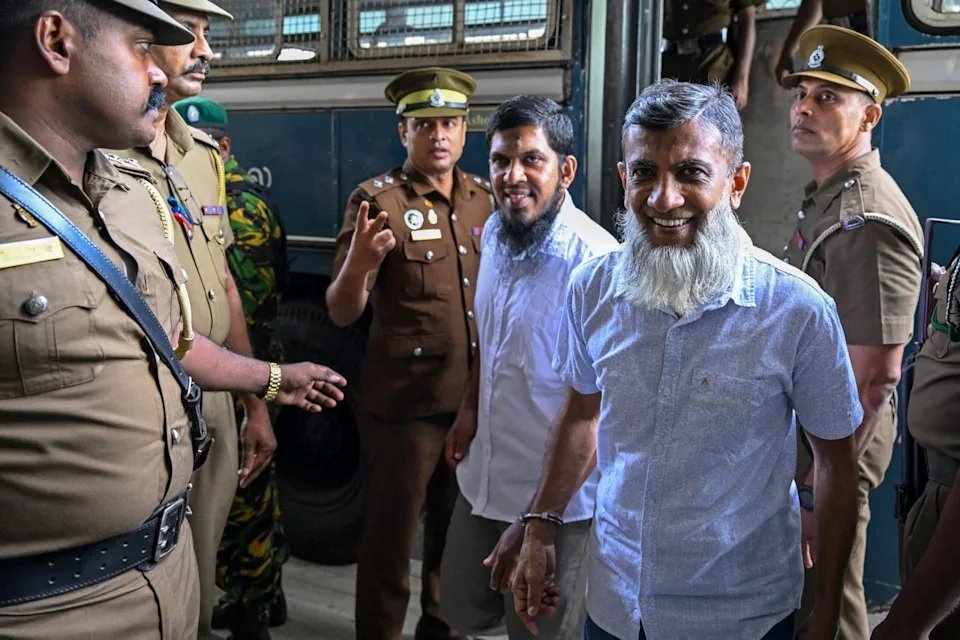
The Colombo High Court Trial-at-Bar delivered the verdict on September 22 after a trial lasting nearly five years. Fourteen defendants were convicted on all charges, while a 15th was convicted on some charges. Nine others were acquitted and released. The court also ordered the confiscation of the convicted men’s movable and immovable property.
The terms are measured in centuries of imprisonment. The case involved 23,270 charges filed against 25 suspects; one accused died during the proceedings, leaving 24 before the court when judgment was delivered.
The Easter Sunday bombings killed hundreds
The attacks began on April 21, 2019, when suicide bombers struck three churches and three hotels in Sri Lanka. The targets included St Anthony’s Shrine in Colombo, St Sebastian’s Church in Negombo, Zion Church in Batticaloa, and the Shangri-La, Cinnamon Grand and Kingsbury hotels in Colombo. Later explosions struck the Tropical Inn in Dehiwala and a housing complex in Dematagoda.
Also see: Trump Iran Talks: “Annihilate Iran” UN Threat
Also see: Terrorism in Pakistan Hits a New Peak as Masood Azhar Case Exposes a Deeper Security Crisis
Also see: 261 Rapes, 762 Molestations and the Pain No Prison Sentence Can Erase
Casualty totals have changed as investigations and official counts were revised. Sri Lanka’s 2019 parliamentary select committee recorded around 277 deaths, including eight suicide bombers, based on information from police headquarters. More recent reporting has put the civilian death toll at 267 or 279. More than 500 people were wounded.
The parliamentary committee identified Zahran Hashim, described as the former leader of National Thowheed Jamaath, as the main suspect behind the execution of the coordinated attacks. Nine suicide bombers were associated with the operation. None of the direct attackers survived.
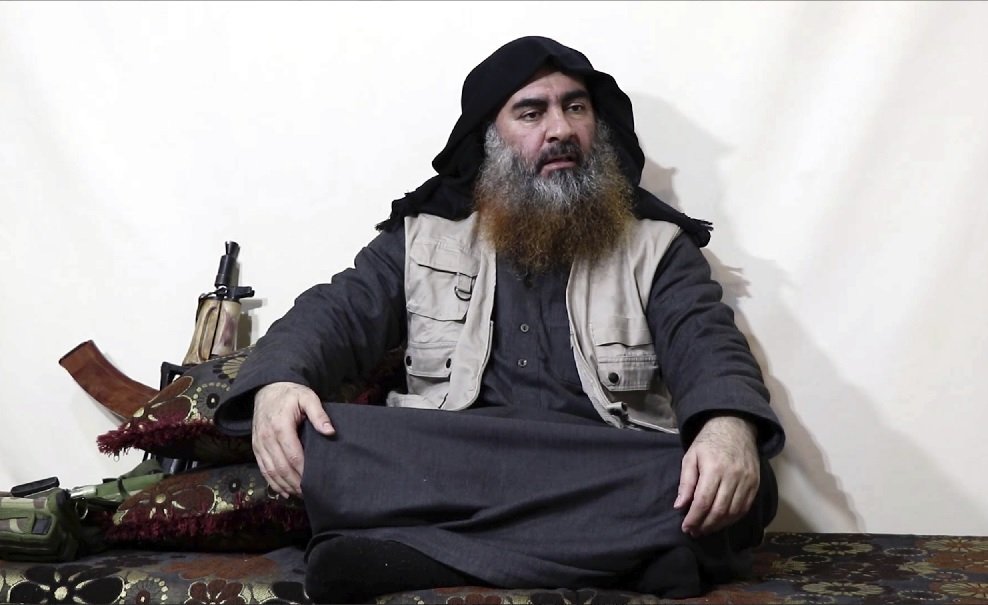
The bombings were linked to Islamic State ideology and investigators found evidence that the attackers had pledged allegiance to then-ISIS leader Abu Bakr al-Baghdadi. The operational network was rooted in Sri Lanka, rather than a foreign military operation.
Who was convicted
The prosecution’s case centered on people accused of helping organize, support or prepare the attacks rather than the suicide bombers themselves. Among the convicted was Mohamed Ibrahim Mohamed Naufer, known as Naufer Moulavi, whom prosecutors identified as a key architect of the attacks.
The convicted defendants were Mohamed Saribu Adam Lebbe, Hayathu Mohamed Ahmed Milhan, Mohamed Ibrahim Sadik Abdullah, Mohamed Ibrahim Abdul Haq, Mohamed Anwar Mohamed Riskan, Mohamed Mansoor Mohamed Sanasdeen, Abdul Manaf Mohamed Firdous, Mohamed Rameesh Mohamed Sarik, Abdul Latheef Mohamed Safi, Husainul Rizvi Mohamed Kahir Sameer, Mohamed Hanifa Zainul Abdeen, Mohamed Mustafa Mohamed Haris, Razik Raza Hussain and Katchi Mohamed Jasmin.
Also see: Ed Sheeran Cut Macklemore Over Palestine, Now His Tour Is Burning
Also see: Travis Kelce Named Victim in $35 Million Fraud Case
Also see: Mecca Under Attack? Saudi Says Houthi Drone Intercepted
The court’s findings were not universal. Nine defendants were acquitted because the charges against them were not proved. Another accused, Yasin Bawa Abdul Rauf, died in prison custody during the trial. That distinction matters: the verdict did not establish criminal responsibility for every person originally accused.
Naufer was sentenced to 220 years. Before sentencing, he declined to seek leniency, telling the court: “According to Islam, no religious leader should plead with (secular) authorities over any matter. Therefore, I do not wish to state anything.” He was convicted despite previously retracting a confession, saying he had not been shown what he was signing.
The warnings that came before the blast
The criminal convictions do not settle the separate question of how the attackers were able to operate despite warnings.
Sri Lanka’s parliamentary select committee found that intelligence about an impending attack was available before Easter Sunday. It recorded that the Director of the State Intelligence Service received information on April 4, 2019, warning that Zahran Hashim and associates were planning a suicide attack and could target churches. The committee said the information was not adequately shared or acted upon.
The committee also recorded earlier intelligence concerning Zahran, including police reports and arrest warrants issued in 2017. It found failures involving the State Intelligence Service, the Defence Ministry secretary, the inspector general of police, the chief of national intelligence and military intelligence officials.
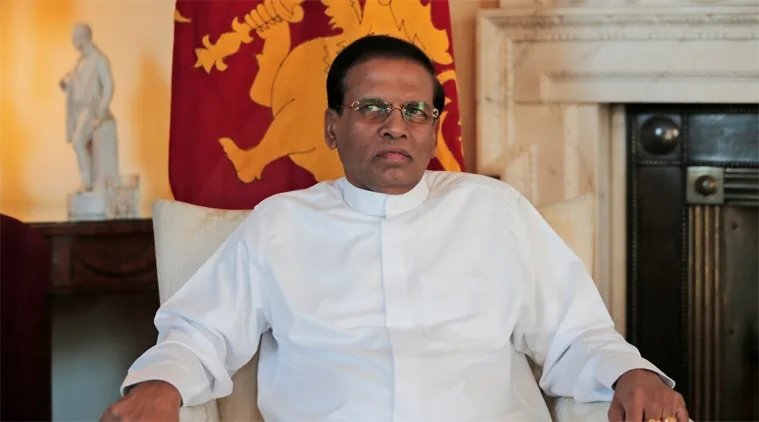
Sri Lanka’s Supreme Court separately ruled in January 2023 that former President Maithripala Sirisena and four senior officials had violated victims’ fundamental rights by failing to take adequate measures despite prior intelligence. Sirisena was ordered to pay 100 million Sri Lankan rupees personally; four officials were ordered to pay a combined 210 million rupees.
Those rulings concern state responsibility and negligence, not proof that officials planned the bombings.
Also see: Delhi Building Collapse Kills 7, 45 Students Were Inside
Also see: Indian Army? No: 51 Indians Dead in Russia, 37 Unaccounted
Also see: Sheikh Hasina News: Delhi Press Conference Fuels Row
A second investigation keeps the case open
The unanswered questions became more consequential in 2026. In February, Sri Lanka’s Criminal Investigation Department arrested retired Major-General Suresh Sallay, a former intelligence chief, under the Prevention of Terrorism Act in connection with the Easter attacks. Police said specific charges were still being determined at the time. Sallay has denied wrongdoing.
Earlier allegations that Sallay had links to the bombers and helped the attacks proceed have also been denied. The allegations remain allegations unless established in court.
The wider political conspiracy theory has likewise not been established by the main criminal verdict. Sri Lanka’s Catholic Church has called for a deeper investigation, arguing that those convicted may not represent the full chain of responsibility.
For victims’ families, the September verdict delivers convictions but not a full account of how the plot matured, why warnings failed to stop it, or whether anyone beyond the convicted network helped create the conditions for the attack. The 15 men are now serving sentences measured in centuries. The separate investigation into alleged state involvement and prior knowledge remains a legal matter.
Also see: The Internet Is Not in the Cloud… It’s Sitting on the Ocean Floor
Also see: Merchant Discount Rate on Select UPI Payments Explained
Also see: What Is Reliance Intelligence? Is Ambani Building India’s AI Future or His Own?