

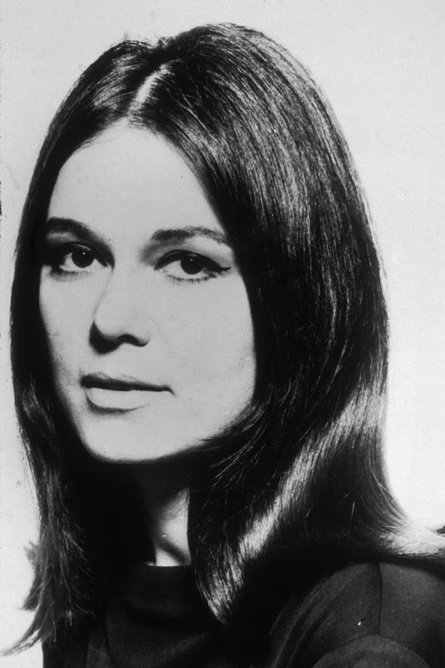
Gloria Steinem, the journalist who turned feminism into a force that could not be politely ignored, died on September 2 at 92 at her home in New York City. Her foundation said she “passed away peacefully” surrounded by people who loved her; they did not disclose a cause of death. For more than six decades, Gloria Steinem treated sexism not as a private inconvenience but as a political system built into workplaces, families, media and law.
Gloria Marie Steinem was born on March 25, 1934, in Toledo, Ohio, she spent much of her childhood travelling with her father, an itinerant antiques salesman. She did not formally enter school until she was 11. After her parents separated, she became a caregiver to her mother, who had experienced mental illness and periods of institutionalization. They lived in poverty in Toledo. Steinem later recalled wanting nothing more complicated than “a cage to sleep in” so she could feel safe.
That childhood left her with something that would become central to her politics: an instinct for people living without power.
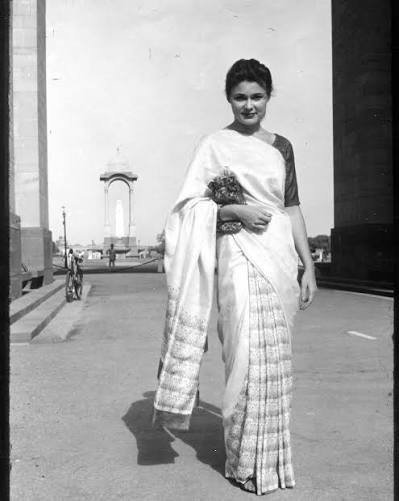
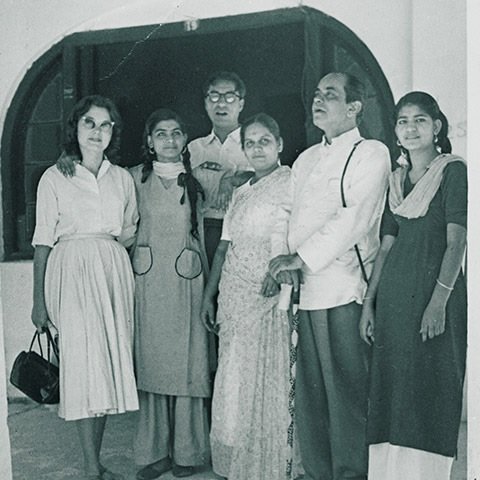
Steinem graduated from Smith College in 1956 and spent two years in India on a Chester Bowles fellowship. There she travelled through villages, encountered Gandhian organizing and learned about political movements built through listening and consensus. She returned to the United States determined to become a writer.
Also see: DOLLY PARTON’s Final Curtain: The Woman Who Became an Icon
Also see: Asha Bhosle Dies at 92: Voice That Defined Generations
Also see: Indian Women in Blue-Collar Jobs: Breaking Barriers, Filling the Salary Gap
Also see: From Sexual Harassment Allegations to Anti-Feminism Remarks: Elon Musk Faces Fresh Scrutiny
THE WOMAN WHO WALKED INTO THE PLAYBOY CLUB AND CAME OUT AN INVESTIGATOR
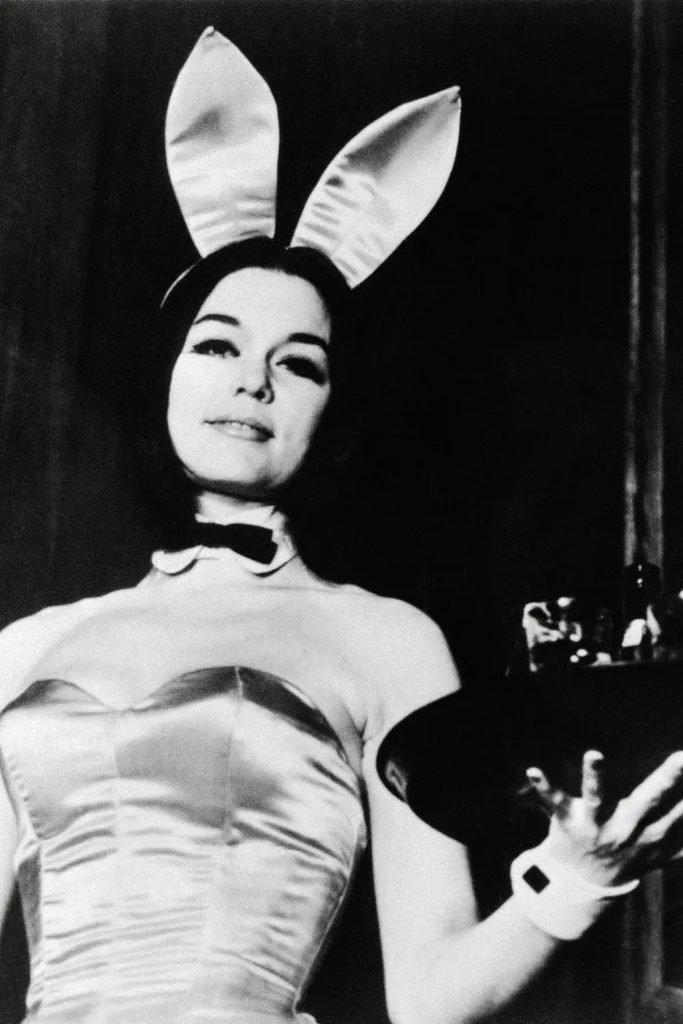
In 1963, at 28, Steinem spent 11 days undercover at New York City’s Playboy Club, working as a Playboy Bunny under the name Marie Ochs. Her report, “A Bunny’s Tale,” documented low pay, humiliating rules and sexualized treatment of women employees. By 1968, she had helped found New York magazine and was writing about politics and social change.
The turning point came in 1969, when she covered a New York abortion-rights speak-out and publicly discussed an abortion she had undergone in London at 22. She later described the experience as a “big click” that began her life as an active feminist. Her argument was brutally simple: control over reproduction was inseparable from control over one’s life.
In 1970, Steinem testified before Senate hearings on the Equal Rights Amendment. “I am here in support of the equal rights amendment,” she told lawmakers. Steinem argued that some laws intended to protect women at work were actually keeping them out of better-paying jobs.
THEN SHE BUILT A MAGAZINE THE ESTABLISHMENT COULDN’T IGNORE
Steinem co-founded Ms. magazine with journalists including Patricia Carbine and Letty Cottin Pogrebin. A preview issue appeared as an insert in New York magazine in December 1971; Ms. became an independent publication in 1972. Its first 300,000 test copies sold out nationwide in eight days, followed by 26,000 subscription orders and more than 20,000 reader letters within weeks.
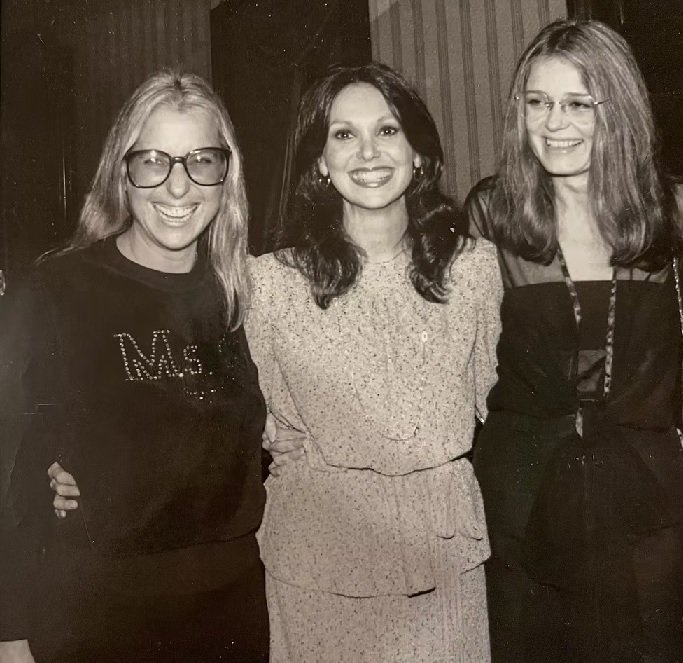
Ms. challenged the assumption that women’s journalism should revolve around husbands, beauty, recipes and motherhood. Its coverage put abortion, the Equal Rights Amendment, domestic violence and sexual harassment into a national feminist publication. Steinem remained an editor for 15 years and later continued as a consulting editor.
The organizing went far beyond the magazine. In 1971, Steinem joined Bella Abzug, Shirley Chisholm, Fannie Lou Hamer and Betty Friedan in forming the National Women’s Political Caucus. She also helped found the Women’s Action Alliance. In 1972, she co-founded the Ms. Foundation for Women. In 2005, she co-founded the Women’s Media Center with Jane Fonda and Robin Morgan.
The pattern is unmistakable: when an institution failed women, Steinem built another one.
She also campaigned against female genital mutilation and supported LGBTQ rights. Her organizing crossed borders, including work linked to Equality Now and international women’s rights campaigns. That breadth made feminism, in her hands, inseparable from a wider fight over power.
Also see: Zuckerberg Faces India Apology Demand Over PM Modi Video
Also see: Lok Sabha Passes Bill to Expand Supreme Court Strength to 38
Also see: Sheikh Hasina News: Delhi Press Conference Fuels Row
BEFORE SHE BECAME GLORIA STEINEM, SHE HAD TO PROVE SHE COULD EVEN BE A JOURNALIST
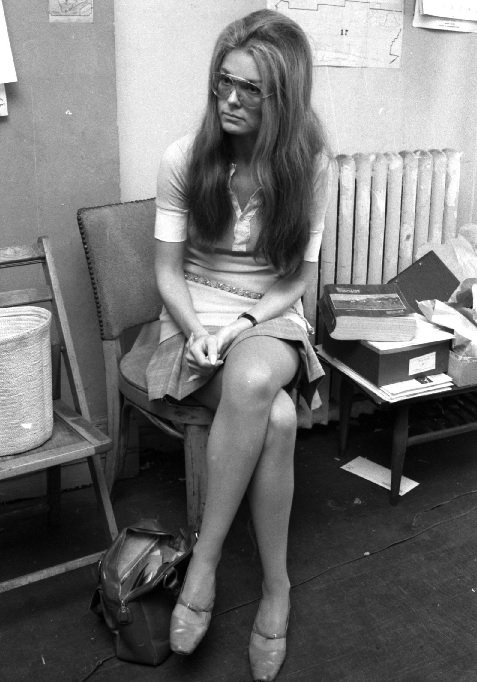
Steinem was celebrated, mocked, attacked and scrutinized in ways that often had little to do with the arguments she was making.
Her appearance became part of the conversation. Her relationships became part of the conversation. Her clothes became part of the conversation. Even her decision not to marry for most of her life was treated as evidence to be examined.
Inside the feminist movement, she faced criticism too, including arguments that mainstream feminism had not always adequately represented Black women, poor women and other marginalized groups. Her political interventions sometimes provoked fierce disagreement, particularly around race, class and the relationship between the women’s movement and the civil-rights movement.
She kept going.
Steinem’s private choices were political precisely because she refused to treat them as obligations. She spent most of her life unmarried and child-free, then married environmentalist David Bale in 2000 at 66. Bale died in 2003. Her explanation for marrying late was characteristically direct: “Marriage changed.” She argued that the laws governing married women had changed enough, that marriage no longer necessarily required surrendering a woman’s name, legal independence or financial identity.
Also see: Indian Army? No: 51 Indians Dead in Russia, 37 Unaccounted
Also see: Nepal Floods: 933 Hydropower Workers Unaccounted
Also see: Ali Khamenei Funeral: Granddaughter’s Coffin Draws Attention
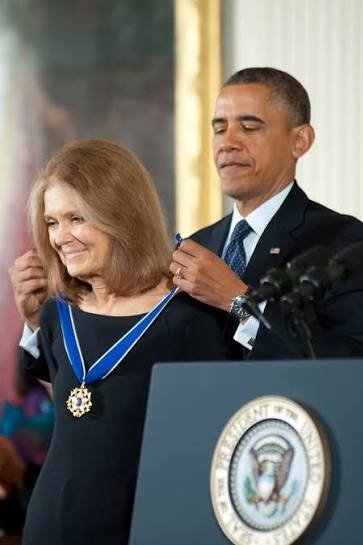
In 2013, President Barack Obama awarded Steinem the Presidential Medal of Freedom.
But awards were never really the point.
The point was that the girl who had grown up without security became the woman who spent six decades trying to make independence less dangerous for other women.
She published books. She organized. She travelled. She mentored younger activists. She continued appearing publicly long after most people would have retired. Even near the end of her life, she was still gathering women in her New York home to discuss climate and social justice.
Her final memoir, An Unexpected Life, is scheduled for publication on September 22, 2026, weeks after her death. In it, she looked backward without treating her life as finished business. She reportedly hoped to live to 100.
That ambition feels fitting. At 92, she was still working for equality.
Gloria Steinem’s greatest success was never that she became famous.
It was that she survived the years when she was not.
She survived poverty. She survived professional rejection. She survived being reduced to her appearance. She survived public attacks, political disappointment and criticism from within the movement she helped build. And instead of becoming smaller, she kept creating institutions, publications and opportunities for women who came after her.
Gloria Steinem’s life was therefore not a story about a woman who conquered the system.
It was about a woman who discovered that the system was not sacred.
And then spent the rest of her life making sure other women knew it too.
~Written by a feminist inspired by Gloria Steinem
Also see: PM Modi Uzbekistan Visit: $5 Billion Trade, Uranium Deal
Also see: Accenture Vacation Policy 2026: Unused Leave Carry Forward