
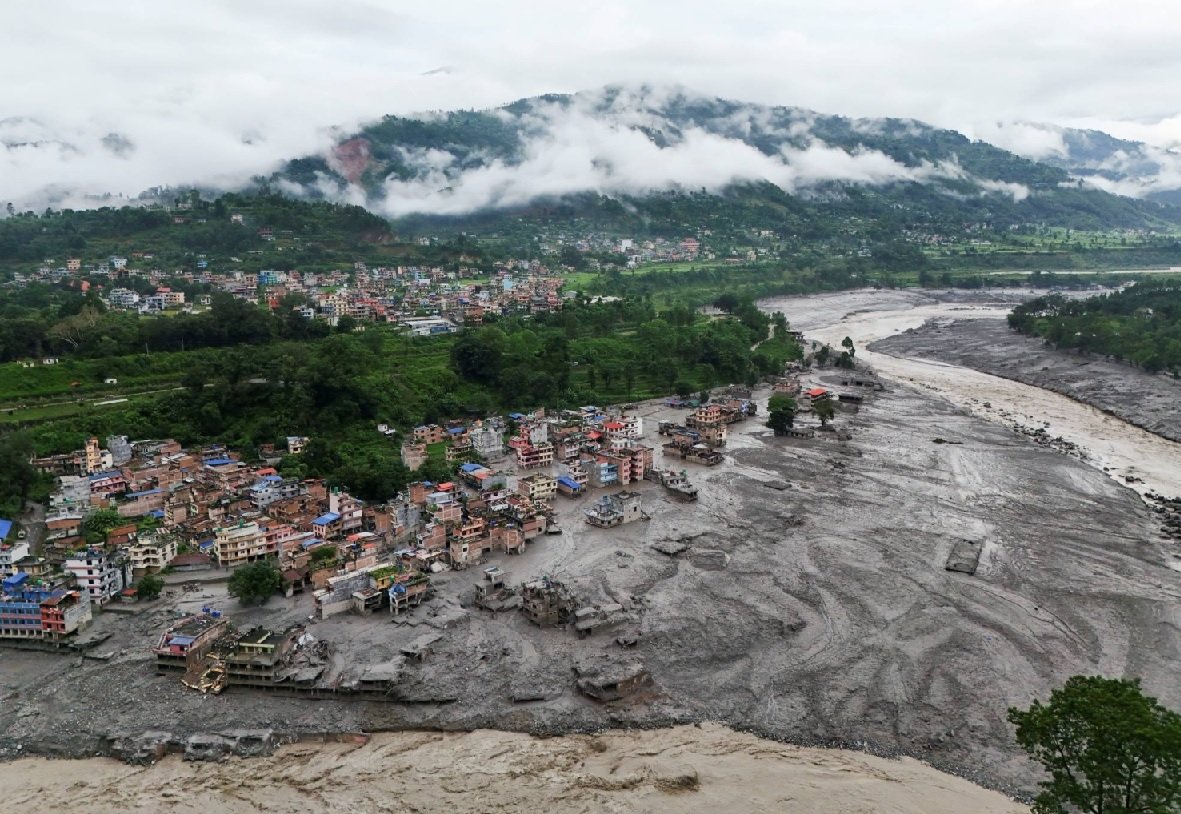
“Nepal floods have caused widespread destruction across the country, leaving hundreds of people dead or missing and severely damaging hydropower projects, roads and settlements. Rescue teams are still searching areas cut off by landslides and flood debris, while the scale of the destruction continues to emerge.”
Nepal’s flood disaster is no longer a rescue story measured only in villages swept away. The latest official figures put the death toll at 903 and the number missing at 4,247, while hundreds of hydropower workers remain unaccounted for at the damaged project sites.
The rescue figures are changing rapidly by the hour.
The disaster began on August 26 after an ice-and-rock collapse near the Nepal-China border sent water, mud and debris down the Bhote Koshi and Trishuli rivers. Rasuwa, Nuwakot, Dhading, Gorkha and Chitwan have been among the affected districts. By August 31, Nepal’s National Disaster Risk Reduction and Management Authority reported 903 deaths, 4,247 missing, 267 injured and 10,451 rescued.
Also see: Nepal PM’s ‘Encroachment’ Remark Sparks Political Storm Over India Border Dispute
Also see: Michael Dell Pentagon Contract Follows $6.25 Billion Donation
Also see: Trump Yet to Approve Proposed U.S.-Iran 60-Day Ceasefire Deal as Nuclear Talks Intensify
Also see: Marco Rubio India Visit Begins in Kolkata Ahead of Quad Talks
THE 933 WORKER NUMBER NEEDS A WARNING LABEL
The headline figure needs careful handling. The Independent Power Producers’ Association of Nepal initially reported 933 workers at 13 affected hydropower project sites, as out of contact. On August 28, 254 had been rescued, while others had re-established contact. Later reporting put the number of unaccounted hydropower workers at roughly 897 to 933, depending on the project list and timing.
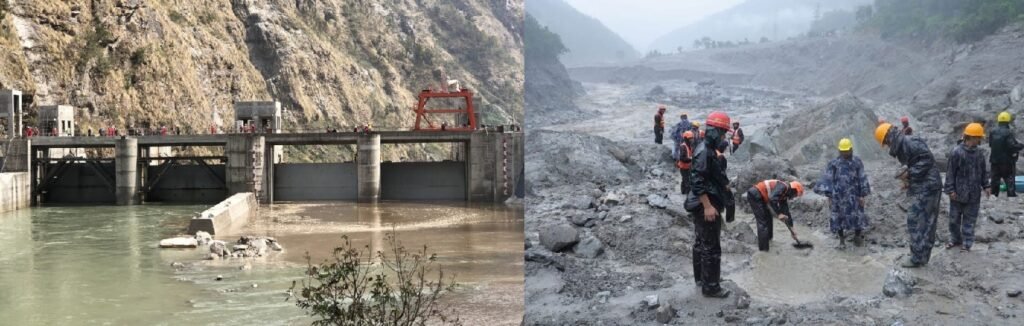
“Unaccounted for” does not mean every worker is physically buried inside a tunnel. Some may have escaped, lost communications, been swept downstream or reached isolated areas. At Upper Trishuli 3A, however, rescuers have been searching tunnel sections where dozens are believed trapped. Nepal Army teams located the crown, or upper section, of a tunnel on August 30 and began clearing debris.
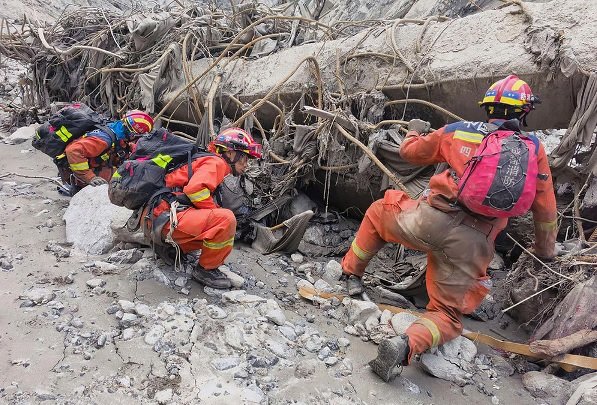
The rescue operation is being slowed by the terrain. Roads have been washed away, bridges destroyed, slopes remain unstable and heavy rain is restricting helicopter access. Nepal has deployed around 19,000 security personnel and 16 helicopters, while specialist tunnel teams from India, China and South Korea have been brought in. Nepal’s Foreign Secretary said India sent 11 tunnel specialists and China 9 ; 18 Indian forensic experts also arrived to help identify victims.
Also see: Lucknow Fire: The Building That Killed 15 Was Already Illegal
Also see: Attack at Khan Sir Coaching Centre Sparks Tension in Patna, Police Probe Rivalry Angle
Also see: Gunman Killed Near White House After Opening Fire at Secret Service Checkpoint
Also see: Jaipur Road Accidents Kill Lecturer, Hotelier
A DISASTER THAT CAME DOWNRIVER
The physical trigger is becoming clearer, but the final scientific explanation is not settled. Researchers studying satellite imagery have linked the flood to an ice-and-rock avalanche near the border. Geologist Daniel Shugar of the University of Calgary said an enormous section of glacier appeared to have broken away and fallen more than a vertical kilometre.
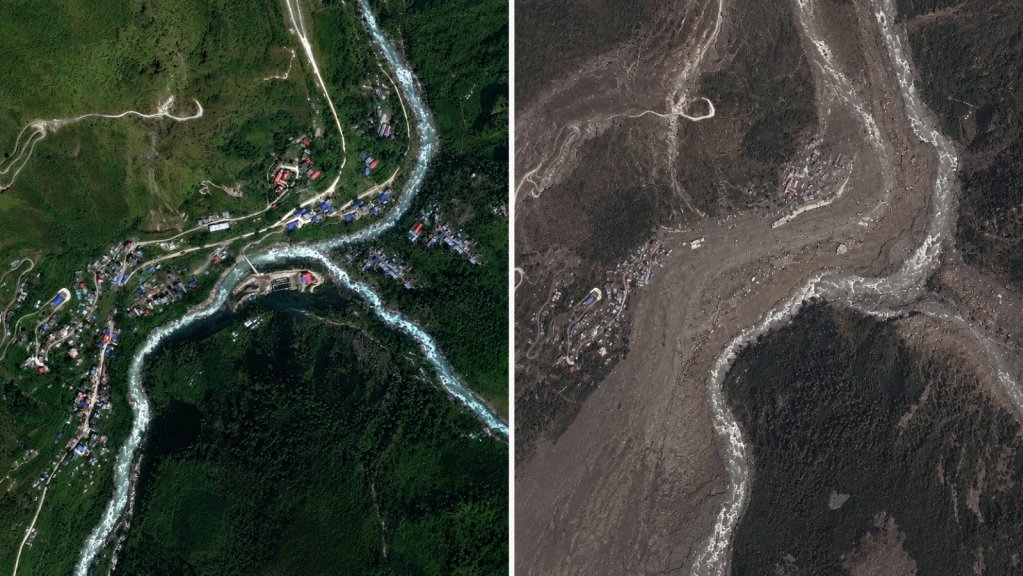
That does not mean climate change can yet be labelled the single cause. Shugar told the BBC it was too early to make that definitive link. Geoscientist Simon Cook of the University of Dundee said warming permafrost could weaken mountain slopes, increasing landslide risk. UN climate chief Simon Stiell said, “a warming climate … is making tragedies like this one … much more likely, frequent and severe.”
The regional warning signs are not new. ICIMOD’s 2026 glacier assessment found that Hindu Kush Himalayan glacier ice-loss rates have doubled since 2000. Between 1990 and 2020, glaciers lost about 12% of their area and 9% of estimated ice reserves. Its 2023 assessment found glacier loss in 2011-2020 was 65% faster than in the previous decade.
THE REAL TEST IS WHETHER THE SYSTEM WAS READY
The flood has exposed a second problem: warning and information systems across a border where the hazard begins in one country and becomes deadly in another. News channels reported that Nepal had sought greater real-time information from China on glacier movement and water levels before the disaster. Nepali officials said data sharing had been limited, while China said its information sharing had been timely.
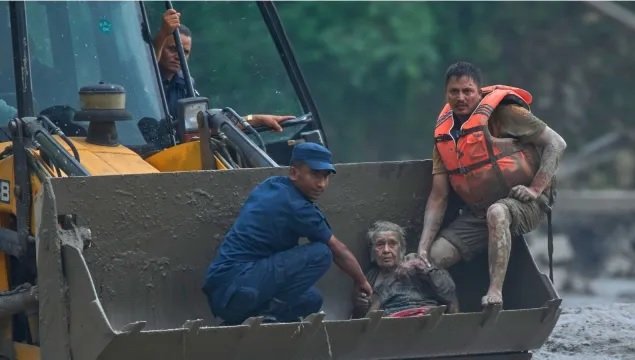
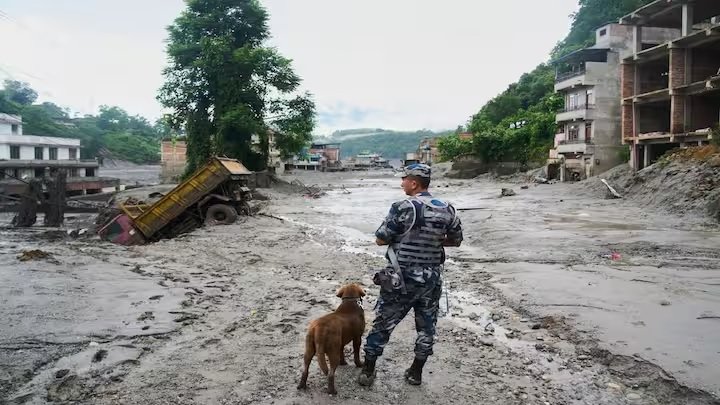
Nepal’s foreign ministry says it has mobilised an emergency control room, is monitoring downstream rivers and coordinating with India, China and other partners. In Chitwan, hundreds of bodies washed downstream were recovered in severely damaged condition. Authorities recorded DNA, photographs, serial numbers and other identification details before burial. Critics questioned the manner of the burials; officials cited decomposition, public-health concerns and limited forensic capacity.
Also see: Global Trade Turbulence: How Tariffs are Reformulating Economic Growth by 2025
Also see: The Global Economy Faces a 2025 Slowdown, But India’s Growth Remains Strong
Also see: Indian Women in Blue-Collar Jobs: Breaking Barriers, Filling the Salary Gap
Also see: The Morale of the German Investor Surges as the Change in Fiscal Policy Sparks Optimism
The economic damage is widening. Finance Minister Swarnim Wagle estimated Nepal could need $4 billion to $5 billion for recovery and reconstruction, roughly a tenth of the country’s economic output. Hydropower projects suffered direct damage, while roads, bridges, settlements and electricity infrastructure were also hit. Reports showed that the disaster disrupted around 10% of Nepal’s power generation.
For India, the disaster is not confined to Nepal’s side of the Himalayas. Nepal’s rivers drain toward the Ganges basin and Indian nationals were among those missing. India’s Ministry of External Affairs said 275 Indian nationals and 128 people of Indian origin remained missing in an August 30 update; 108 Indian nationals had been rescued. A 19-member Indian forensic team began work in Kathmandu, while Indian tunnel-rescue personnel joined operations.
The next phase will be harder than counting the dead. Authorities must determine how many missing people are actually trapped, how many were swept away and how many remain cut off without communications. They also need to establish whether warning systems could have detected the upstream hazard earlier, whether hydropower projects were designed for compound flood-and-debris events and why critical infrastructure was concentrated along a river corridor capable of carrying such a destructive surge.
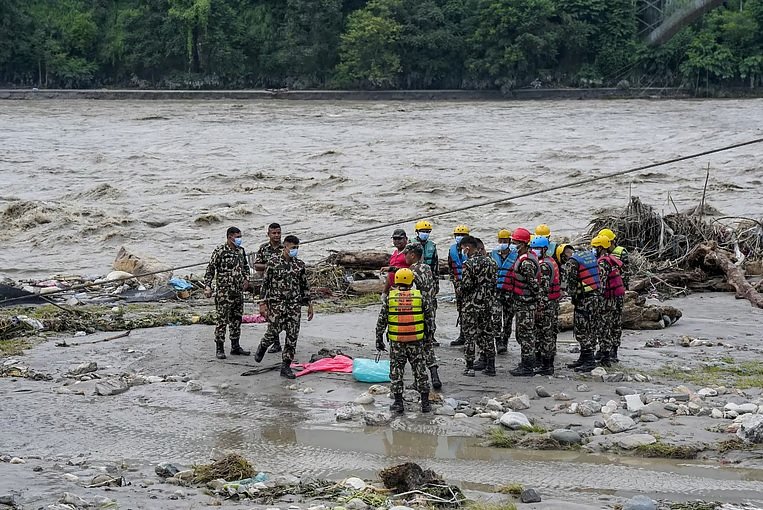
Prime Minister Balendra Shah called the disaster “unprecedented and devastating,” while acknowledging that difficult terrain, weather and continuing risks were making a full assessment difficult. For families waiting outside tunnels, the issue is simpler. Every hour changes the odds. For Nepal, the test is whether lessons are acted on before the next Himalayan river rises.
Also see: Meta India Head Named in FIR Over Morphed PM Modi Posts During CJP Protests
Also see: Sanctions Against India Would ‘Boomerang’, Says Putin
Also see: Pakistan Launches Cross-Border Operation After Karachi Attack, Says 29 Militants Killed
Also see: India Rebukes Pakistan at UN, Reasserts Kashmir Claim Amid Fresh Row Over Gilgit-Baltistan Elections