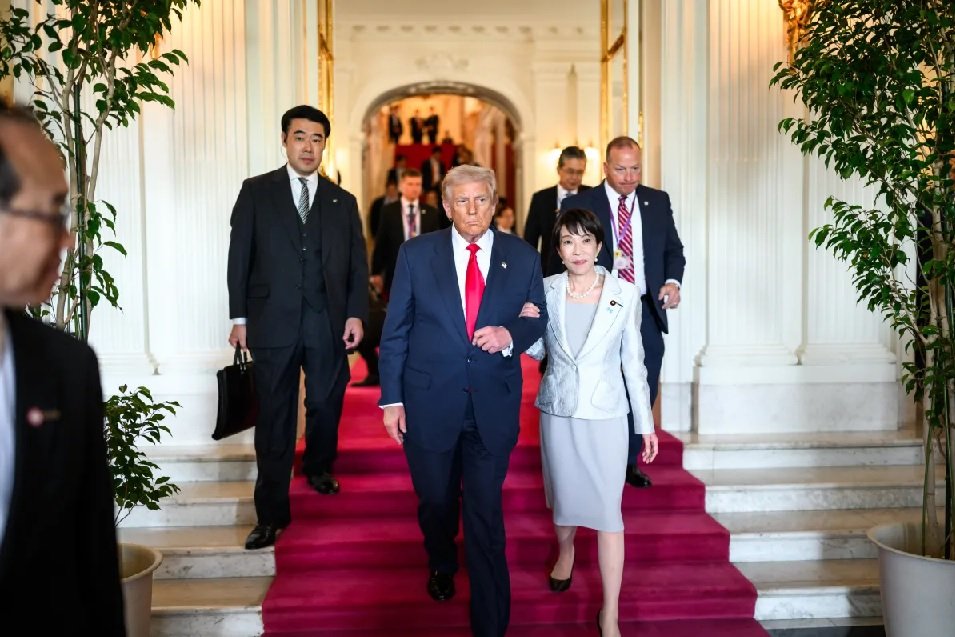

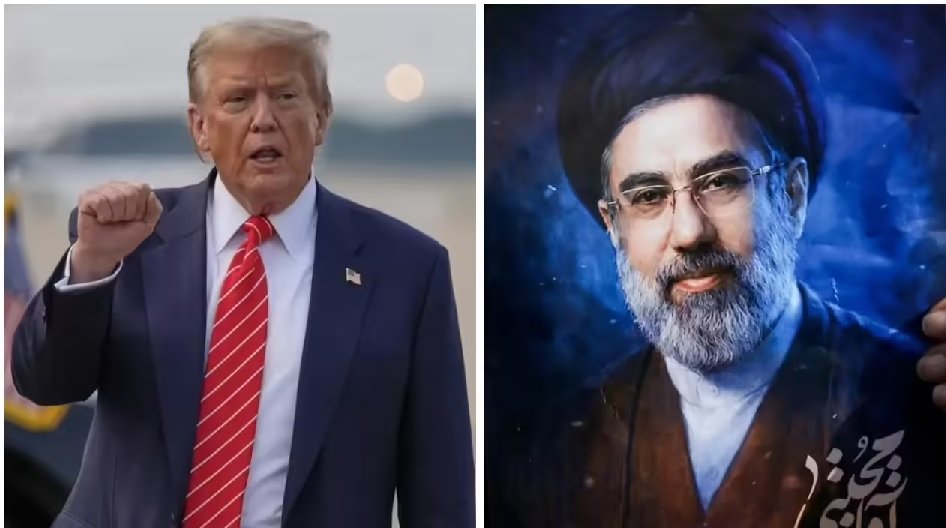
“The proposed Trump Iran ceasefire deal would temporarily extend the current truce for 60 days while negotiations continue over Iran’s nuclear programms and sanctions relief.”
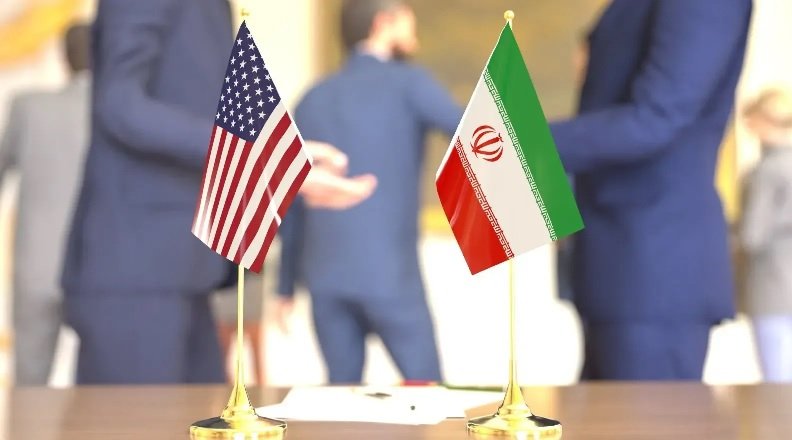
A tentative 60-day ceasefire agreement between the United States and Iran is now awaiting final approval from U.S. President Donald Trump, even as negotiators on both sides quietly push forward with discussions tied to Iran’s nuclear programme, sanctions relief and the reopening of the Strait of Hormuz.
The proposed memorandum of understanding would temporarily extend the current ceasefire and create a formal negotiation window after months of military escalation across the Gulf region. Iranian officials, however, have publicly downplayed claims that a final agreement already exists.
Two regional officials familiar with the talks said the framework includes Iran’s commitment to refrain from pursuing nuclear weapons and address its growing stockpile of highly enriched uranium. According to the International Atomic Energy Agency, Iran currently possesses 440.9 kilograms of uranium enriched to 60% purity, close to weapons-grade levels of 90%.
“We’re not satisfied with it, but we will be”, Trump told reporters during a White House cabinet meeting on Wednesday, signalling the administration still wants changes before formally endorsing the proposal.
What’s happening around the world: Ali Khamenei Funeral: Granddaughter’s Coffin Draws Attention
Also see: Suspected Ebola Case Bengaluru: Karnataka on High Alert
Also see: Trump-Netanyahu Rift Explodes Over Lebanon Strikes as Iran Talks Stall
Also see: Trump Yet to Approve Proposed U.S.-Iran 60-Day Ceasefire Deal as Nuclear Talks Intensify
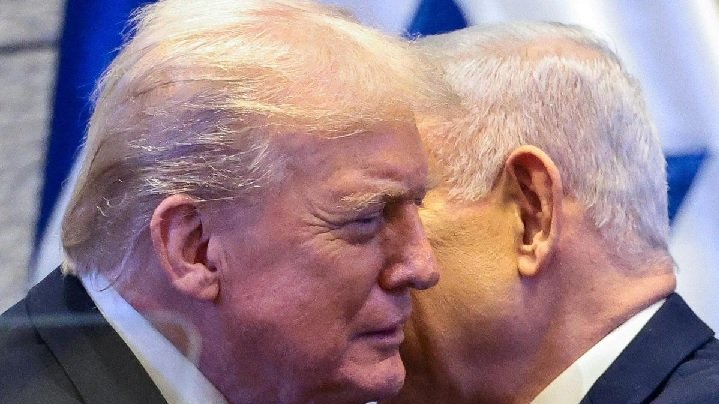
Strait of Hormuz at Centre of Negotiations
The Strait of Hormuz has become one of the central bargaining points in the negotiations after Iranian restrictions disrupted global shipping routes earlier this year. Roughly 20% of the world’s oil supply passes through the narrow waterway each day. Sources said the agreement could gradually reopen the route if the U.S. eases parts of its blockade on Iranian ports and energy exports. Oil markets reacted immediately. Brent crude prices fell this week as investors bet on lower geopolitical risk and stabilized Gulf shipping traffic.
Before the conflict escalated in February, commercial shipping through Hormuz operated normally. Iran later imposed restrictions after clashes involving U.S. naval deployments in the Gulf.
Also see: Pakistan Launches Cross-Border Operation After Karachi Attack, Says 29 Militants Killed
Also see: Muharram 2026: Dates, Islamic New Year & Ashura Explained
Also see: Pakistan $3 Billion Saudi Loan: Survival or Debt Trap
Also see: Trump vs Pope Clash Explodes After AI Jesus Image
Trump Iran Ceasefire Deal Faces Political Resistance
The proposed deal also reportedly includes discussions around sanctions waivers allowing limited Iranian oil sales during the 60-day period. At the same time, the U.S. Treasury announced fresh sanctions targeting Iran-linked military oil networks operating through Hong Kong and the Gulf. That contradiction has drawn criticism from hardline Republicans in Washington, some of whom argue the White House is reviving elements of the Obama-era Iran nuclear agreement under a different framework.
Iranian state-linked Tasnim News Agency also cast doubt on Western reports that the deal had already been finalized. A source close to Iran’s negotiating team reportedly said Tehran had not approved the final text and had not informed mediators that talks were complete.
Negotiators are expected to continue discussions through the weekend !
Also see: I Couldn’t Stay Silent’: UN Diplomat Quits Over Iran Nuclear Claims
Also see: OBC Reservation Row Sparks Uproar in Rajya Sabha
Also see: Iran War: Who’s Cashing In While the World Pays the Price?
Also see: Jaishankar G7 meeting: India pushes Global South agenda
Also see: Iran Israel War 2026: Oil Surges Amid Hormuz Crisis