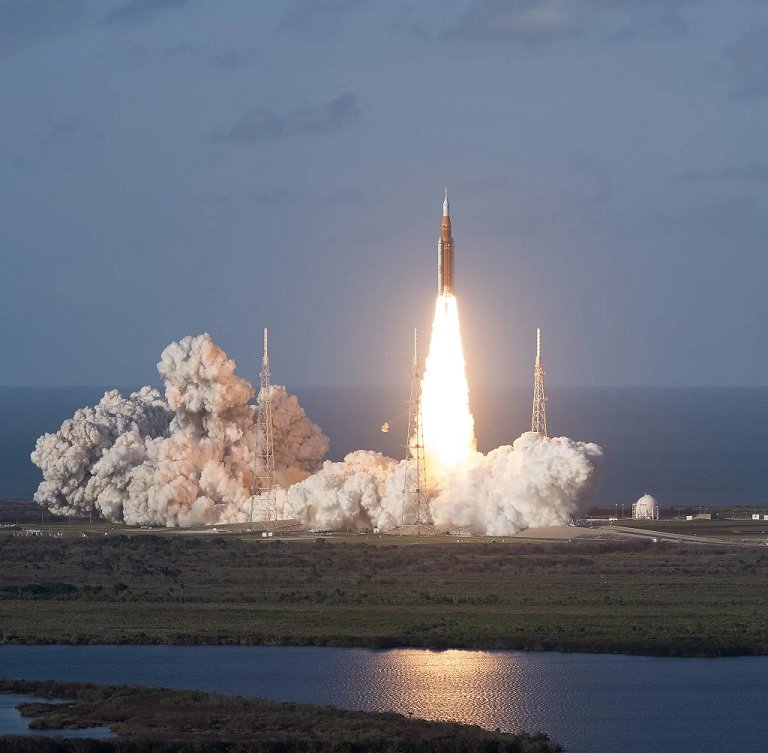

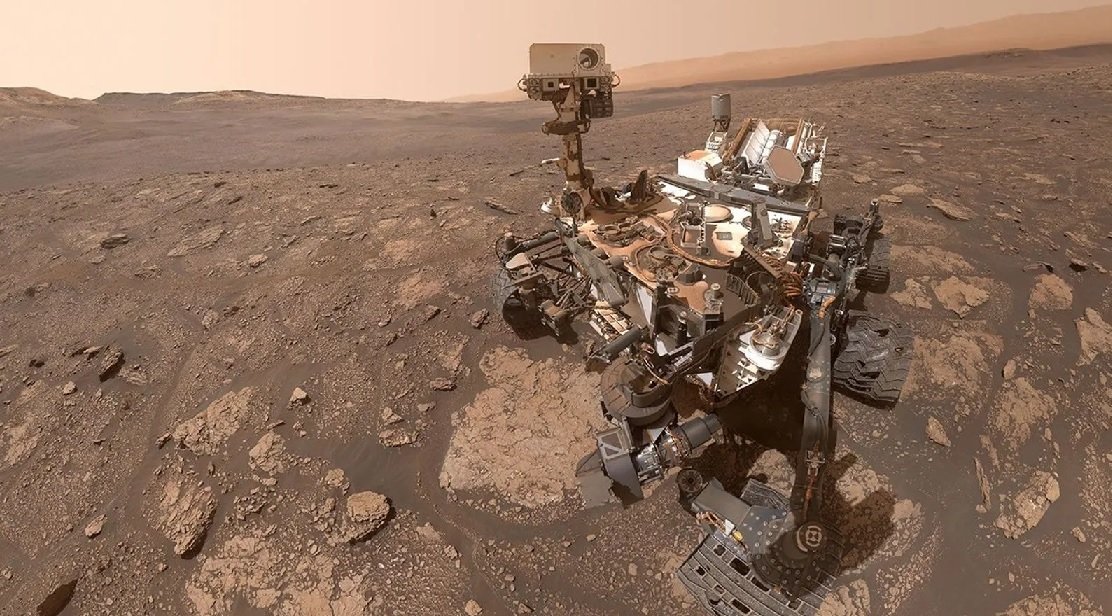
Fourteen years alone on another planet, millions of miles from home and Curiosity still wakes up every day and gets to work, carrying on as if Earth is only a signal away.
Fourteen years after dropping into Mars’ Gale Crater, NASA’s Curiosity Rover is still climbing, drilling and sending evidence back to Earth. The Curiosity Rover landed on Aug. 6, 2012 and a mission built around a roughly two year prime phase has become one of planetary exploration’s most stubborn survival stories. In August 2026, Curiosity reached a new milestone: a 1 kilometer elevation gain while climbing Mount Sharp, the 5 kilometer high mountain rising from Gale Crater.

Photo credit: NASA/JPL-Caltech.
Curiosity is not literally the only rover on Mars: NASA’s Perseverance is about 2,345 miles (3,775 kilometers) away. But Curiosity has spent 14 years in a vast, hostile landscape, far from human hands or rescue missions. Every operation has to be planned around a robot that cannot be physically serviced.
And it is still moving.
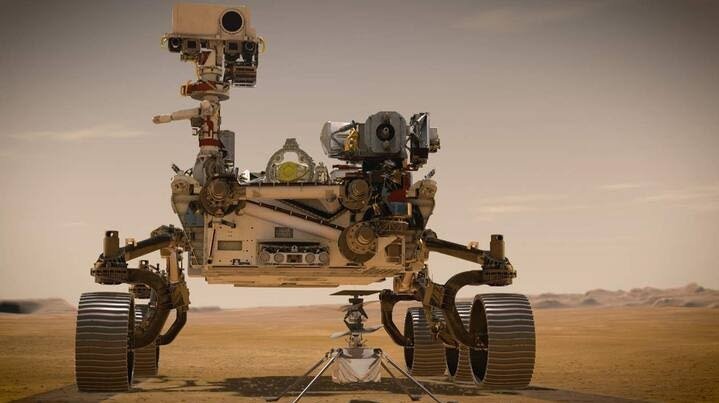
Photo credit: NASA/JPL-Caltech.
Also see: ISRO Launches EOS-05, Expanding India’s Space Reach
Also see:Aule Space: India’s ‘Power Bank’ for Satellites
Also see: The $48.8 Billion Enterprise AI Boom Is Here. Most Businesses Aren’t Ready
THE ROVER NASA EXPECTED TO AGE, BUT IT DIDN’T EXPECT THIS
Curiosity launched on Nov. 26, 2011 and reached Mars after an eight month journey. A sky crane system lowered the roughly 900 kilogram rover onto the surface, with the spacecraft going from about 13,000 mph to zero in roughly seven minutes. The landing became famous inside NASA as the “Seven Minutes of Terror.”
Curiosity was built to investigate whether ancient Mars had environments capable of supporting microbial life. Its 10 science instruments examine rocks, soil, atmosphere and radiation. The original mission was expected to last about two years. Instead, the rover has crossed into its 15th Earth year of operations.
The hardware has taken punishment. NASA says Curiosity suffered unexpected wheel damage early in the mission, while dust, radiation, temperature swings and mechanical wear have complicated operations. A drill motor failure in 2016 forced engineers to rethink how the rover drilled. The redesign took nearly a year and a half, after which Curiosity resumed drilling.
Its power system has been crucial. Curiosity uses a Multi-Mission Radioisotope Thermoelectric Generator (MMRTG), which converts heat from decaying plutonium-238 into electricity. NASA gives the MMRTG a 14 year design life, plus three years of pre-launch storage. Curiosity has now crossed that design life boundary.
As plutonium decays, the rover has less energy available and its batteries take longer to recharge. Engineers therefore manage the daily power budget carefully. Yet the rover continues to drive, analyse rocks and monitor the Martian environment.
“It’s as if our teenage rover is maturing, and we’re trusting it to take on more responsibility,” Reidar Larsen, an engineer at NASA’s Jet Propulsion Laboratory, said while describing new capabilities added to the aging machine.
Also see: Astronomers Say Six Red Dwarf Stars May Have Consumed Rocky Planets
Also see: India Fast Breeder Reactor at Kalpakkam Achieves Criticality
Also see: Full Moon on July 29, 2026: Horoscope, Meaning & Rituals
FOURTEEN YEARS LATER, CURIOSITY IS STILL FINDING THINGS
The strongest argument for keeping Curiosity alive is not nostalgia. It is science.
In April 2026, NASA announced that a rock Curiosity drilled in 2020 contained 21 carbon-containing organic molecules, seven of which had never previously been detected on Mars. The result came from material collected at a site nicknamed Mary Anning.
NASA cautioned that the discovery does not prove life: scientists cannot determine whether the molecules came from biological or geological processes. The data does show that ancient Mars could preserve a surprisingly diverse set of carbon-based compounds.
Curiosity is also changing the map it has been exploring. By July 2026, NASA said the rover had driven more than 23 miles, or 37 kilometers, and gained more than 4,400 feet, about 1.35 kilometers, in elevation. On Aug. 26, it reached a 1-kilometer elevation gain from its starting point in Gale Crater.
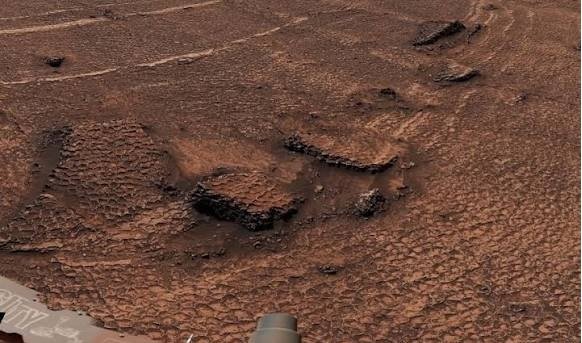
Photo credit: NASA/JPL-Caltech/MSSS.
Curiosity has been climbing through layers of Mount Sharp that record different periods in Mars’ geological history. In 2026 it entered Valle Grande and encountered an enormous field of polygonal fractures.
NASA reported that individual polygons measured roughly 1.5 to 3 inches (4 to 8 centimeters) across. A 360-degree panorama captured on June 19 and 20 showed the patterns stretching across the landscape. A nearby butte, Miraflores, rises about 20 feet (6 meters) and is capped with sand.
“We’ve seen a lot of fascinating landscapes through Curiosity’s eyes, but this sea of polygons took our breath away,” said Ashwin Vasavada, Curiosity’s project scientist at JPL. Scientists are studying the shapes for clues about water, temperature changes, burial and other processes that altered Martian sediments.
Also see: 50-Year Search Ends as Scientists Confirm Wind Blowing From Milky Way’s Central Black Hole
Also see: G7 Summit 2026: Modi Calls for Trust and Cooperation as Global Leaders Meet in France
THE STRANGEST PART: IT KEEPS GOING
There is something almost unsettling about Curiosity’s endurance.
It has survived dust, mechanical failures and years of radiation and temperature extremes while teams adapted operations around an aging machine. In 2026, its cameras are still producing panoramas, its instruments are still examining rocks, and its drill is still extracting material for analysis. NASA’s mission team recently reported that Curiosity had completed its 47th successful drill, at a target called Campo Marte.
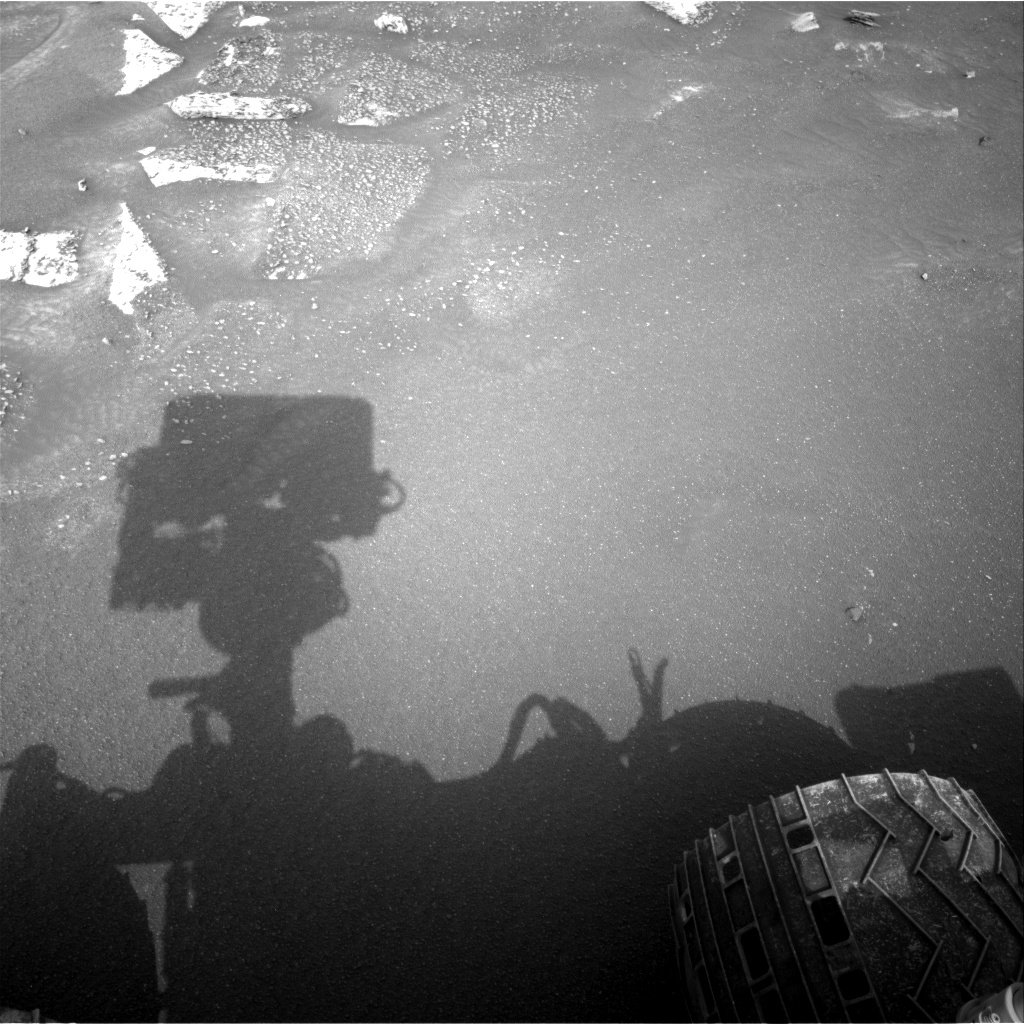
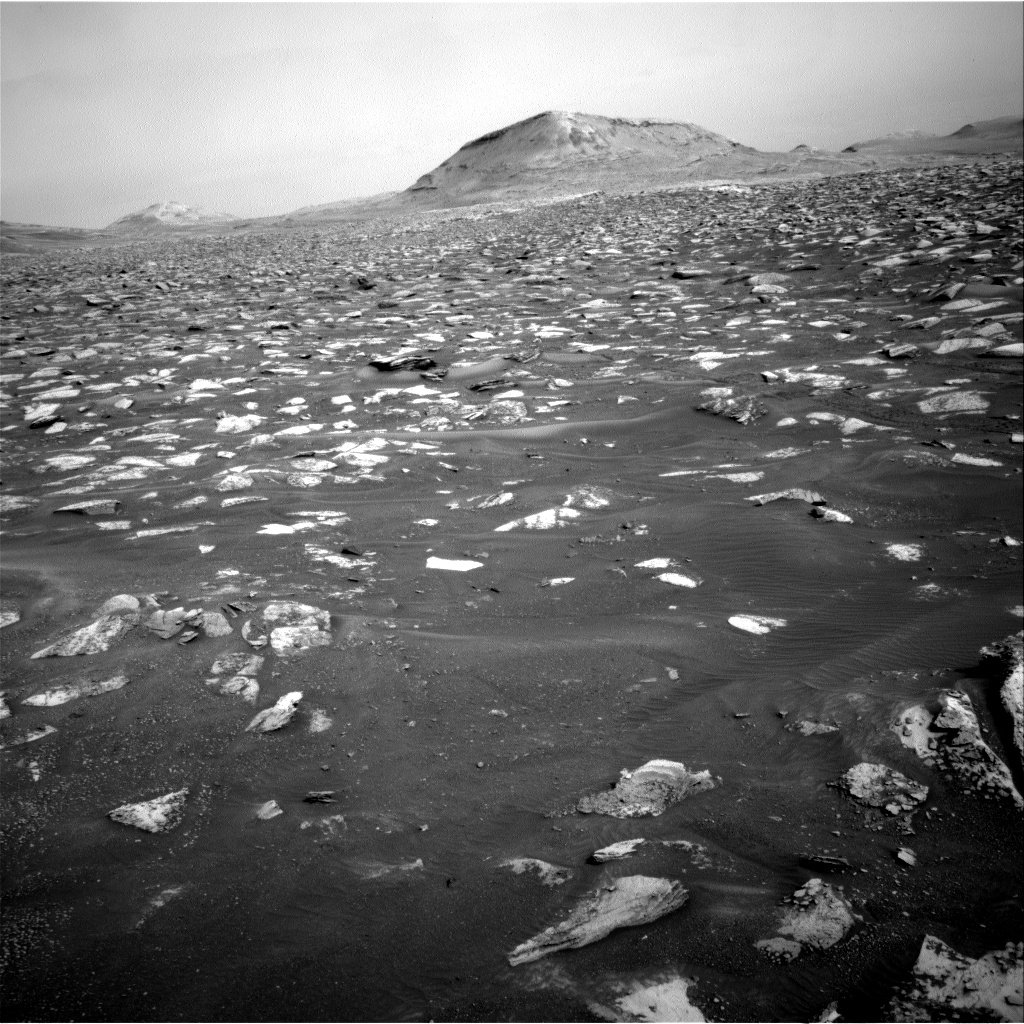
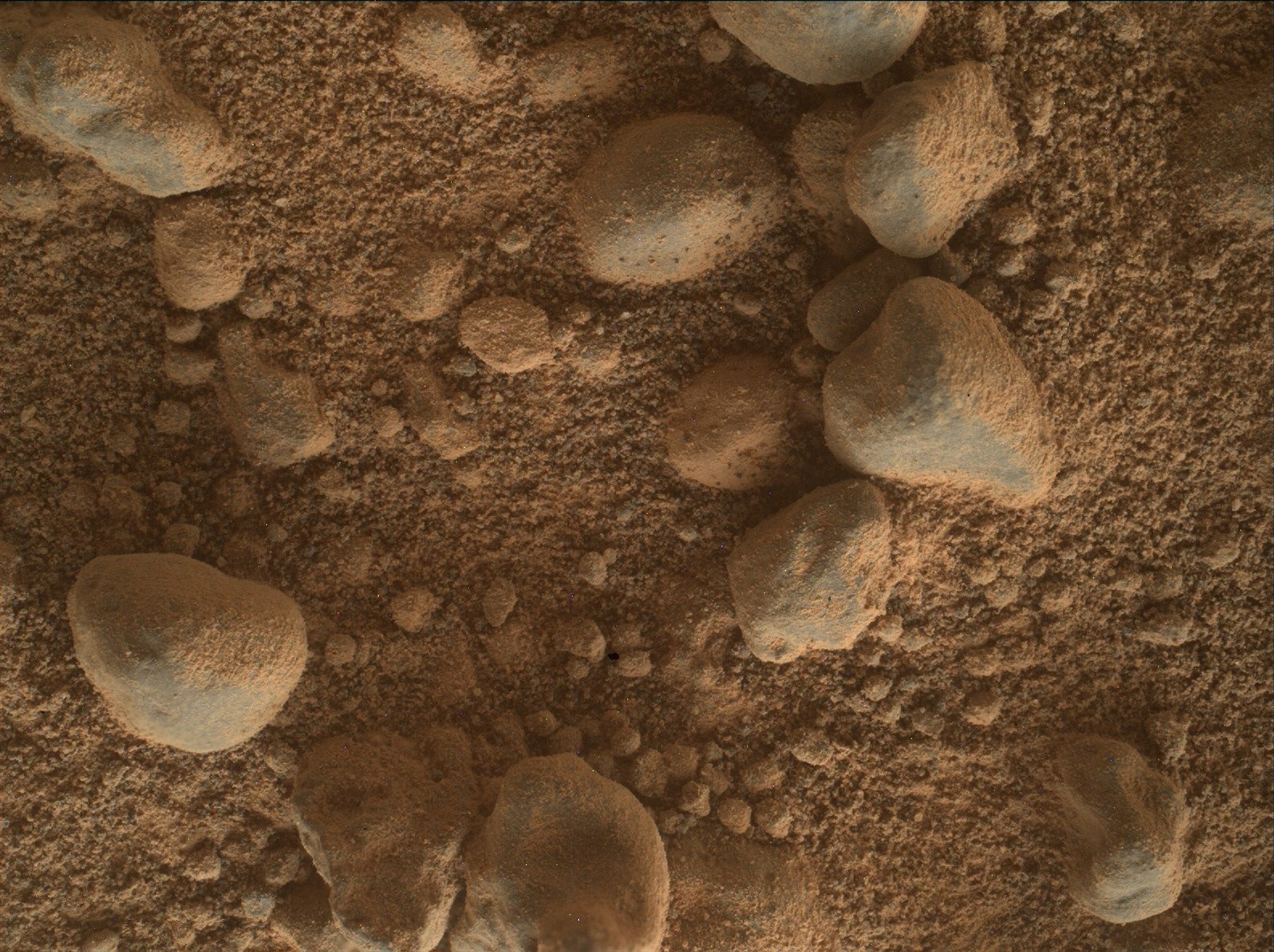
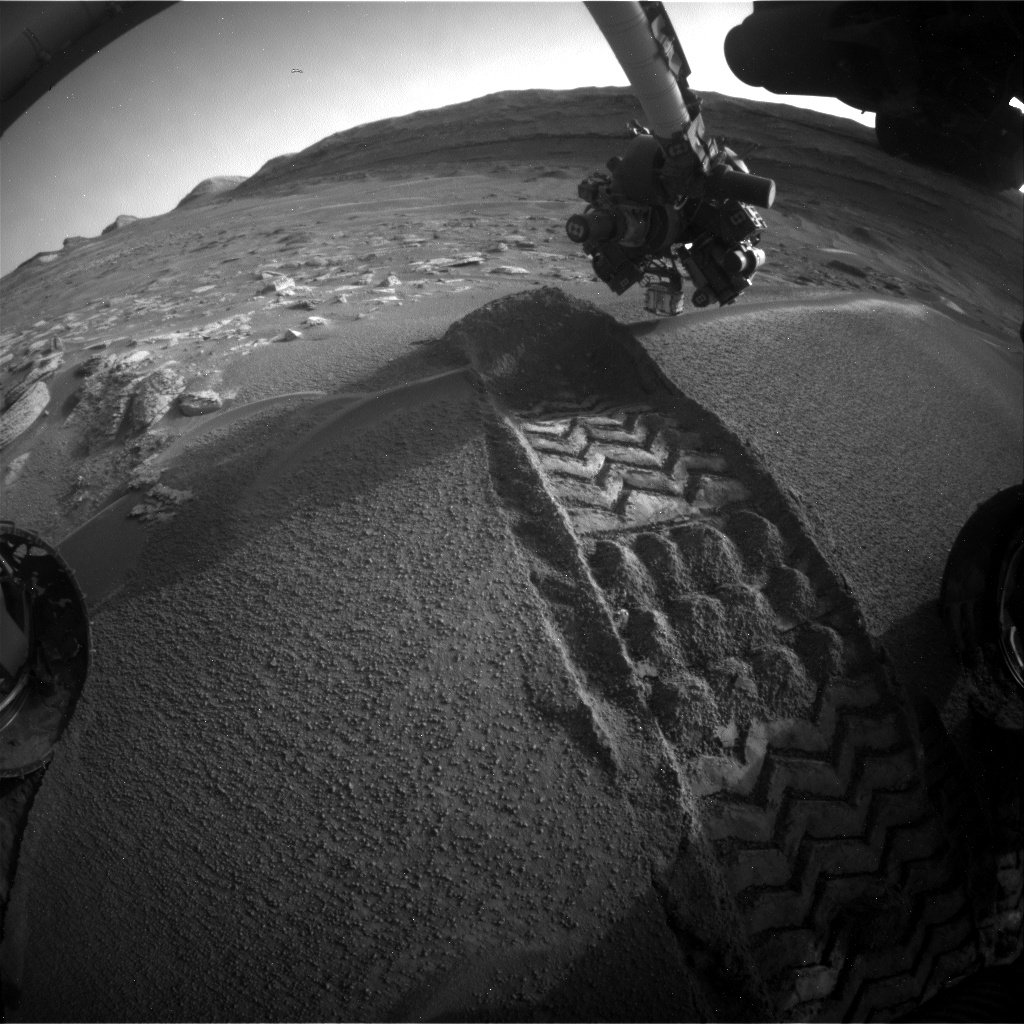

CheMin analyzes drilled material inside the rover, while APXS, ChemCam and MAHLI examine rocks and chemistry. Curiosity’s work is deliberately slow. It can spend days examining a single area before moving on, then drive again across terrain where a wrong route could threaten the vehicle.
The Curiosity Rover was never designed to be immortal. Its MMRTG has a 14 year design life. Its wheels have taken damage, its drill was reworked, its available energy is declining, and NASA recently lost a planning day because of a downlink problem.
Still, the machine kept working.
That is what makes the Curiosity Rover story more than a list of milestones. It is a robot built to investigate whether Mars was once habitable, operating millions of miles from Earth, climbing a mountain humans have never touched and sending back evidence one rock at a time.
In 2012, JPL engineer Rob Manning gave the team’s final pre-landing reassurance: “We are green across the board.”
Fourteen years later, Curiosity is no longer a new machine with a pristine mission plan. It is an old rover, dusty and worn, working beyond its original design life and still giving scientists reasons to send the next command.
Also see: Indian Army Uniform 2026 Introduces Major Dress Reforms
Also see: France Economic Slowdown: Job Market Concerns & Reform Urgency
Also see: Mars Science Laboratory: Curiosity Rover