
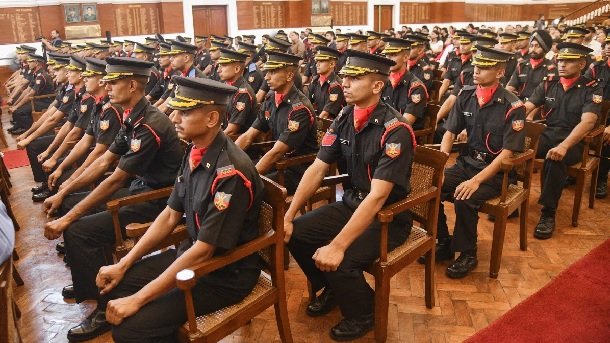
“The Indian Army Uniform 2026 reforms mark a major shift in military dress regulations, introducing indigenous attire and ending several colonial-era customs.“
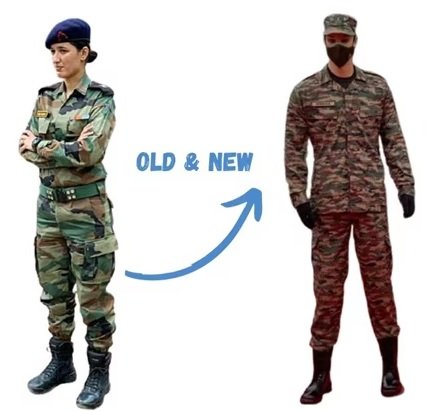
The Indian Army has rolled out a sweeping overhaul of its dress regulations, introducing indigenous attire, removing colonial-era ceremonial practices and accelerating a broader campaign to reshape the institution’s visual and cultural identity.
The changes are outlined in the newly issued Army Uniforms-2026 Pamphlet, a 174-page document that standardizes dress regulations across the force while removing several practices inherited from the British era. Among the most notable changes is the introduction of the Indian-style Bandi jacket for formal civilian attire, the discontinuation of archaic terminology such as “Royal” and restrictions on the ceremonial carrying of swords by senior officers.
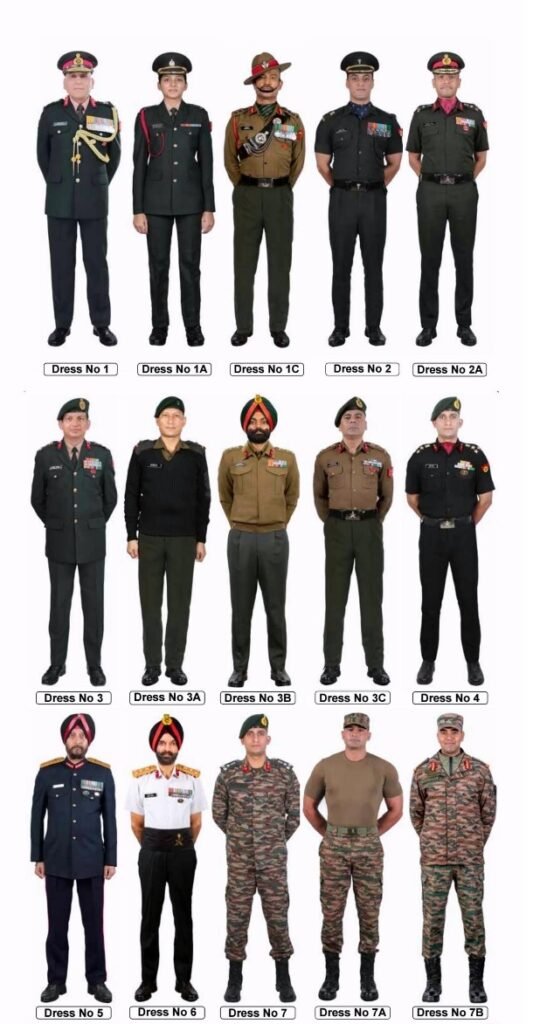
Army officials describe the reforms as part of an effort to align military traditions with what the manual calls India’s “evolving sovereign identity“. The document states that “a number of deliberate refinements have been incorporated” in keeping with national sentiment and contemporary Indian ethos.
One of the most visible changes is the adoption of the closed-neck Bandi jacket, which will be worn over a full-sleeved shirt with matching formal trousers and closed footwear. The garment replaces elements of Western-inspired formal dress and introduces a distinctly Indian component into official military attire.
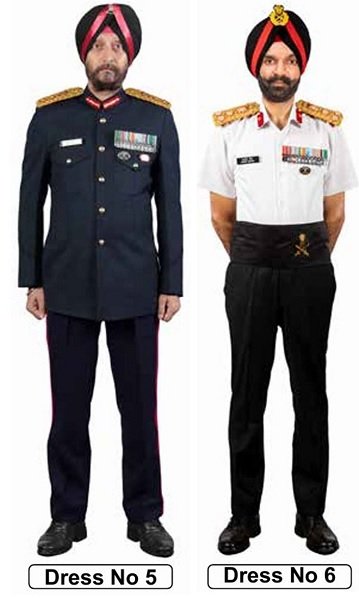
The Army has also removed pouch belts from Mess Dress Nos. 5 and 6 and made sword carriage by Reviewing Officers optional. The new regulations specify that swords will now primarily be carried by parade commanders, contingent commanders and designated personnel during ceremonial events such as Republic Day, Independence Day, Army Day parades and Guards of Honour. “Reviewing Officers will not carry swords on parade“, the manual states.
What’s happening around the world: Prada and Axiom Unveil Lunar Cooling Garment for NASA Moon Missions
Officials say the changes are intended to balance modernization with tradition rather than eliminate ceremonial practices altogether. The document notes that the reforms represent “a progressive review of residual colonial-era vestiges while preserving the dignity, functionality and enduring traditions of the Indian Army“.
The uniform overhaul extends beyond ceremonial dress. A new Battle Jacket has been introduced as standard winter outerwear for all ranks and will gradually replace the existing jersey-based winter uniform, known as Dress 3A, by June 2029. Army authorities have set a three-year transition period for implementation across formations.

The 2026 manual also includes detailed regulations covering grooming standards, military bearing and personal appearance. It prohibits unauthorized beards, radical hairstyles, visible electronic gadgets, tattoos, body piercings and cosmetic make-up while in uniform. Personnel are additionally barred from wearing military uniforms at political gatherings, religious events, protests, weddings, private parties and paid media appearances without authorization.
The dress reforms are part of a much larger institutional exercise already underway across Army establishments nationwide.
Earlier this year, the Indian Army completed the renaming of 246 roads, buildings and military facilities associated with colonial-era nomenclature. According to Army figures, the initiative covered 124 roads, 77 colonies, 27 buildings and 18 miscellaneous facilities, including parks, sports grounds, gates and helipads.
Several locations have already received new names honoring Indian military heroes. In Delhi Cantonment, Kirby Place has been renamed Kenuguruse Vihar while Mall Road is now Arun Khetrapal Marg. Patterson Road Quarters in Ambala Cantonment has become Dhan Singh Thapa Enclave, and New Horn Line in Mathura Cantonment has been renamed Abdul Hamid Lines.
Similar changes have appeared elsewhere. Queens Line Road in Jaipur Cantonment is now Sundar Singh Marg. Malcolm Lines in Mhow Cantonment has been renamed Piru Singh Lines. At the Indian Military Academy in Dehradun, Collins Block and Kingsway Block have been redesignated as Nubra Block and Kargil Block.
The renaming drive follows earlier efforts to dismantle colonial-era traditions. On February 24, 2023, the Army discontinued practices including horse-drawn buggies at official functions, ceremonial pull-out events during retirements and pipe bands at dinner functions.
Supporters of the reforms argue that military institutions should reflect India’s own history, military achievements and national symbols rather than customs inherited from colonial rule. Critics, however, contend that some traditions have evolved into part of the Army’s own heritage regardless of their origins.
For Army leadership, the direction appears clear. Through changes in uniforms, terminology, ceremonial customs and place names, one of India’s largest institutions is undertaking a systematic effort to redefine how it presents itself while retaining the traditions it considers central to military service.
For more updates follow: First Report News