

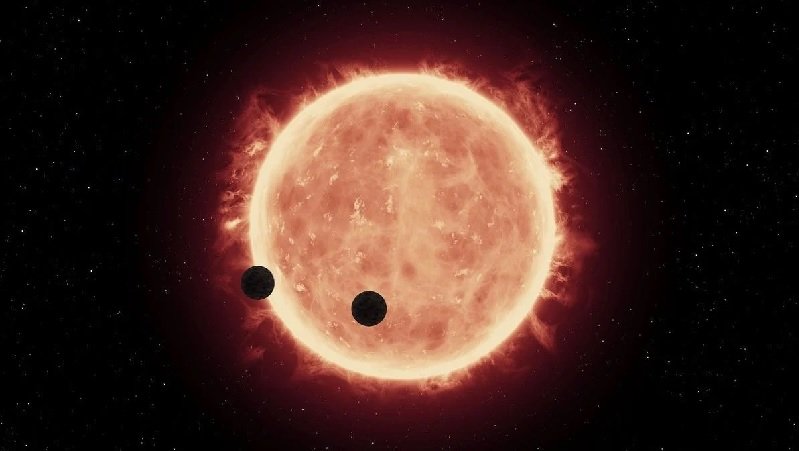
A handful of ordinary-looking red dwarf stars in the Milky Way may be hiding evidence of planetary destruction, according to new research that has astronomers talking about what some are calling cosmic crime scenes.
Researchers analyzing data from the Gaia-ESO Spectroscopic Survey identified six red dwarf stars carrying unusually high amounts of lithium, a chemical element that should have largely disappeared from their atmospheres long ago. The findings were published in the Monthly Notices of the Royal Astronomical Society and point to a possible explanation: the stars may have swallowed rocky planets.
What’s happening around the world: Total Solar Eclipse 2026 Set for Europe
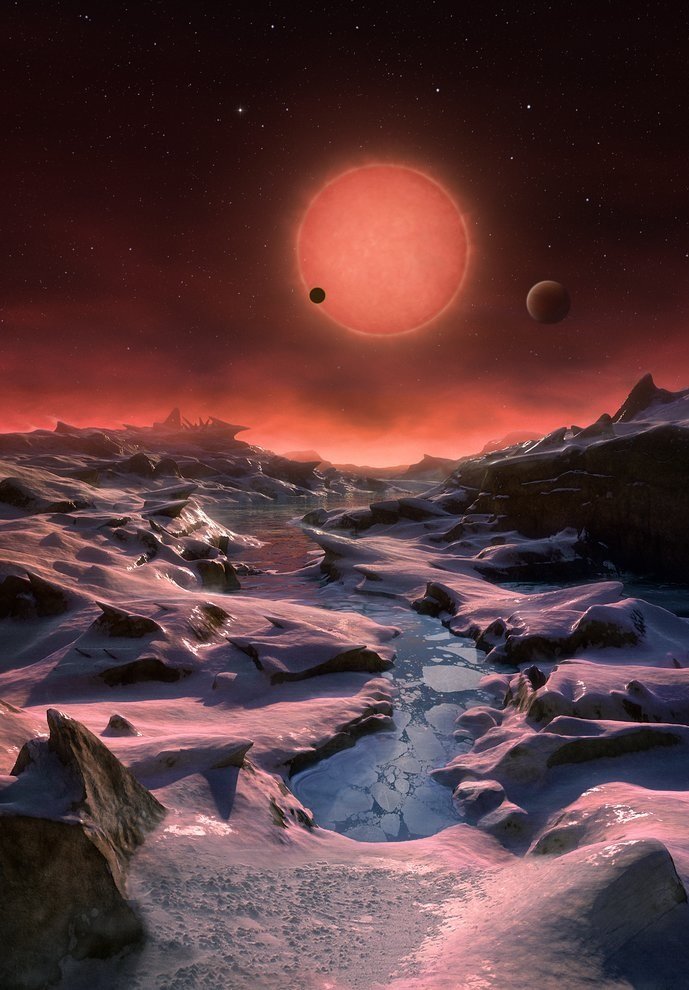
“We found that a few of the red dwarf stars we studied contained lithium, a chemical element that should not be there“, astronomer Robin Jeffries of Keele University said in comments accompanying the research.
The discovery emerged after scientists narrowed a larger sample to 318 red dwarfs capable of showing detectable lithium signatures. Six stood out immediately. Their lithium levels were significantly higher than expected for stars of their age and type.
That matters because red dwarfs are extremely efficient at destroying lithium. Unlike larger stars, they mix their interiors thoroughly, transporting lithium into hotter regions where it is rapidly consumed through nuclear reactions. By the ages estimated for the six stars, researchers expected little or none of the element to remain. “Therefore, even a small amount of lithium stands out clearly in these stars, a bit like throwing paint onto a blank canvas“, Jeffries said.
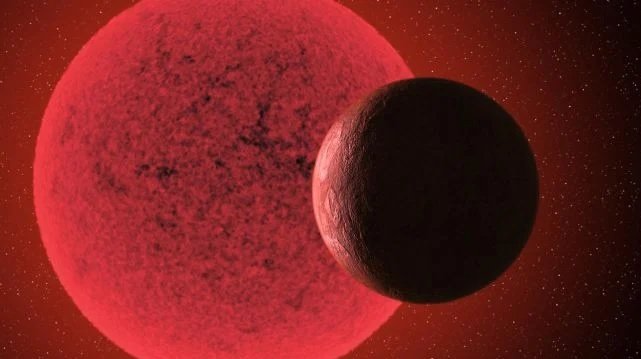
The team examined alternative explanations before settling on planetary ingestion as the leading theory. Researchers ruled out the possibility that the stars were unusually young. They also tested whether rapid rotation, strong magnetic activity or mistaken cluster membership could explain the lithium excess. None of those scenarios matched the observations.
Instead, computer models suggested the stars may have recently acquired fresh lithium from outside sources. The most likely source was rocky planetary material. Calculations indicate each star may have absorbed the equivalent of roughly 3 to 10 Earth masses of rock. Scientists cannot yet determine whether that material came from a single large planet, multiple Earth-sized worlds or swarms of smaller planetary bodies.
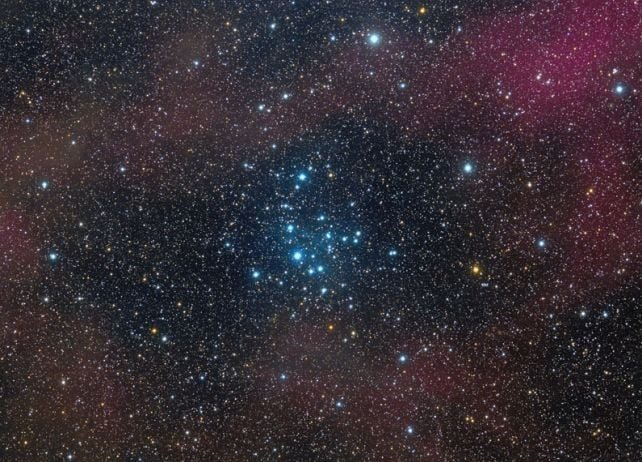
The finding is significant because red dwarfs dominate the galaxy. Astronomers estimate they account for roughly 70% of all stars in the Milky Way. Any evidence that planet engulfment occurs regularly around these stars could affect understanding of millions of planetary systems.
The research also adds momentum to a growing field known as necroplanetology, which seeks evidence of destroyed planets by studying chemical traces left behind in stars. Instead of observing the planets directly, scientists investigate the aftermath.
Similar evidence has been found around giant stars and white dwarfs, where planetary debris has polluted stellar atmospheres. In 2023, astronomers reported one of the clearest observations yet of a star engulfing a planet using data from the Zwicky Transient Facility and NASA’s NEOWISE mission.
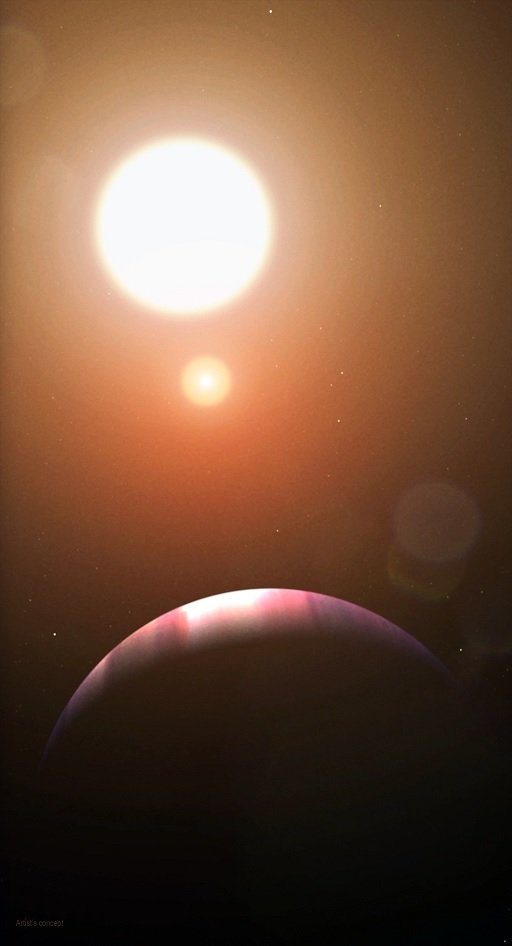
The six newly identified red dwarfs may represent another piece of that puzzle. Researchers estimate the discovery rate in the current sample works out to roughly two to three percent of suitable red dwarfs. The true figure could be much higher. Scientists still do not know how long lithium remains visible after a planetary engulfment event, meaning many cases may escape detection entirely.
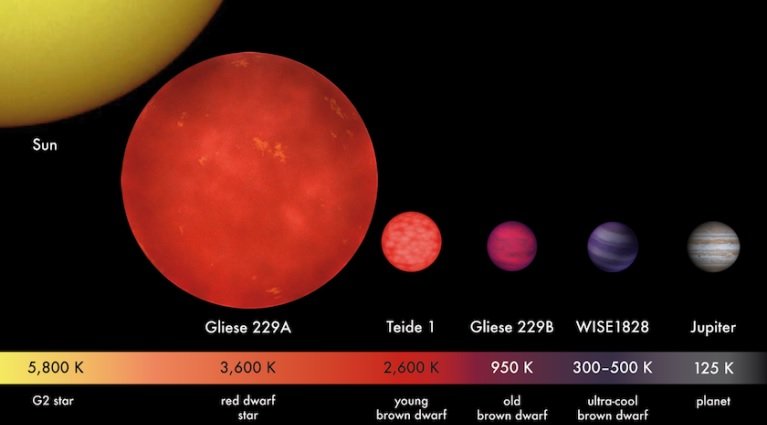
The stars themselves remain unnamed in the published reporting, and researchers acknowledge more observations will be needed to confirm the interpretation. Some astronomers also note that lithium transport inside low-mass stars is not fully understood.
Even so, the evidence is difficult to ignore. For stars expected to be nearly lithium-free, finding fresh supplies of the element points toward a dramatic recent event. Somewhere in these systems, planetary worlds may have met a violent end inside the stars they once orbited.
For more updates follow: First Report News