

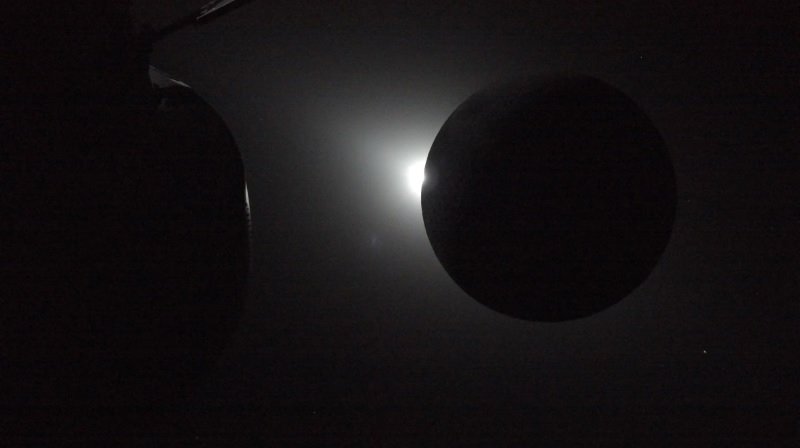
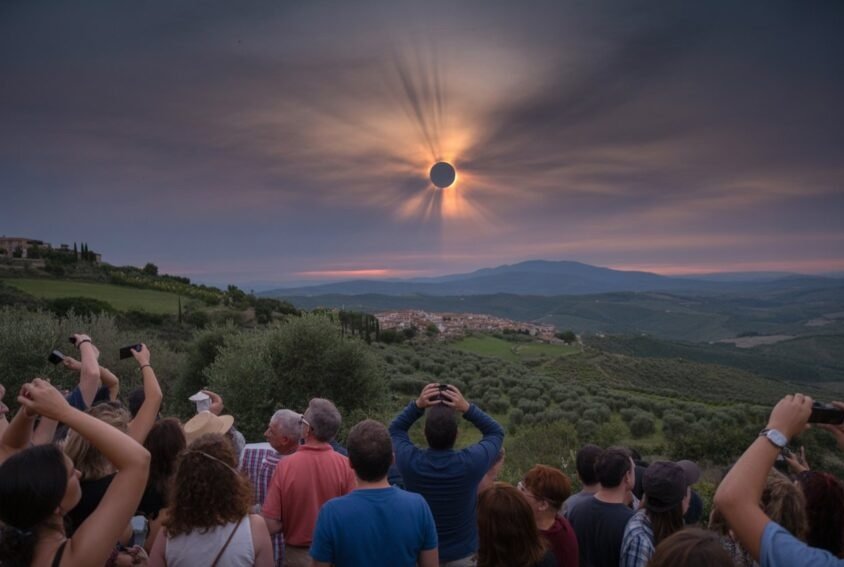
A total solar eclipse will sweep across parts of Greenland, Iceland, Portugal and Spain on August 12, 2026, creating the first major celestial event of its kind visible from mainland Europe in years and drawing growing attention from scientists, tourism officials and eclipse chasers.
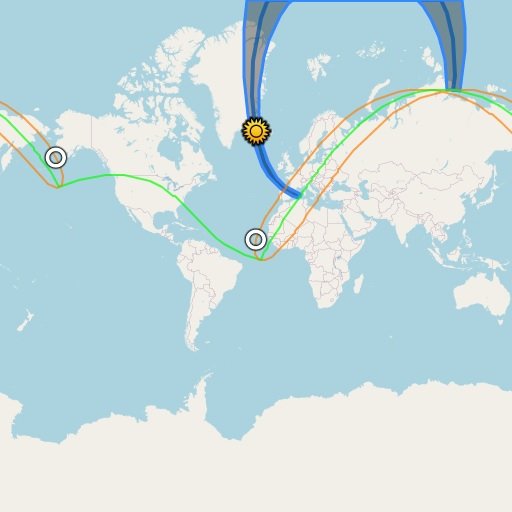
Reports by NASA and the European Space Agency explained, the Moon’s shadow will carve a path of totality stretching roughly 5,157 miles (8,300 kilometers), beginning over the Arctic before moving near the North Pole and crossing parts of the North Atlantic. Millions of people across Europe, North America and Africa are expected to see at least a partial eclipse, while a much smaller group inside the path of totality will witness daylight briefly disappear.
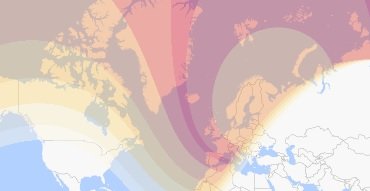
The event carries particular significance for Spain. ESA says it will be the first total solar eclipse visible from mainland Spain since 1905. Parts of northern Spain could experience about 20 seconds of totality, while viewers in Greenland may see darkness last for more than two minutes.
What’s happening around the world: Sagittarius A Black Hole Wind Confirmed After 50-Year Search
“A total solar eclipse is one of those rare moments when millions of people can look up together and feel both wonder and curiosity“, ESA Director of Science Carole Mundell said in a statement. “It is a shared moment that connects us to the Universe and reminds us that the desire to explore and understand is one of humanity’s greatest strengths“.
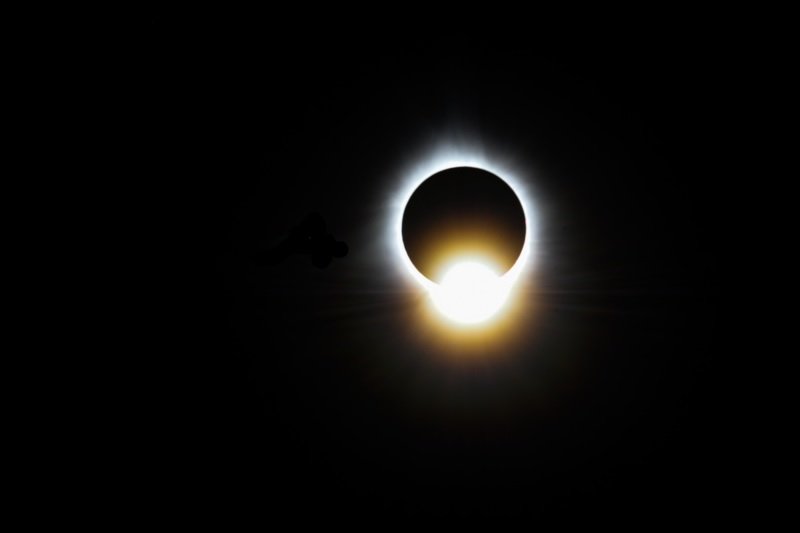
Scientists are preparing a range of research projects tied to the eclipse. The event will provide a rare opportunity to study the Sun’s corona, the outer atmosphere normally hidden by intense sunlight. Research groups also plan atmospheric observations and high-altitude balloon missions designed to capture images of the Moon’s shadow moving across Earth.
Some projects are drawing inspiration from the famous 1919 eclipse expedition that helped confirm Albert Einstein’s theory of general relativity by measuring how gravity bends light from distant stars.
The eclipse is also expected to trigger a tourism surge. Travel operators in Spain and Iceland have already begun marketing eclipse-focused trips, while astronomy organizations are encouraging travellers to secure accommodations well in advance. Industry analysts point to the April 2024 total solar eclipse across North America, which generated significant visitor spending in communities along the eclipse path.
Not everyone sees ideal conditions ahead. Some eclipse observers have noted that Spain’s eclipse will occur close to sunset, potentially limiting visibility in locations with obstructed horizons. Weather uncertainty in Iceland and Greenland remains another concern.
“We use moments like this to bring space science and technology closer to society“, Mundell said.
The 2026 eclipse will be followed by another major total solar eclipse on August 2, 2027, crossing southern Spain, North Africa, Saudi Arabia and Yemen. For now, attention is fixed on August 12, when a narrow strip of Europe will briefly find itself under the Moon’s shadow.
For more updates follow: FirstReport.News