
India’s festival calendar doesn’t begin on 1 January and end on 31 December. It moves with the Sun, follows the Moon, respects centuries-old regional traditions, and occasionally leaves even regular festival-goers checking the Panchang twice. A single week can include a Hindu solar festival, an Islamic observance awaiting moon sighting, a Sikh gurpurab, and a state harvest celebration. That’s part of what makes tracking Indian festivals so fascinating.
The 2026–2027 calendar brings a few interesting shifts. Makar Sankranti, which usually falls on 14 January, moves to 15 January in 2027 because of the Sun’s astronomical transition. Some festivals, including Rama Navami (2026) and Govardhan Puja (2026), show minor variations across Panchang traditions depending on the prevailing tithi at sunrise. Islamic festivals such as Eid-ul-Fitr, Eid-ul-Adha and Muharram continue to depend on crescent moon sightings, so official observances may differ by a day. Another point worth noting is the Adhika Jyeshtha Maas in 2026, an intercalary lunar month added to keep the Hindu lunisolar calendar aligned with the solar year. It creates additional religious observances and slightly changes the sequence of several festivals later in the year.
The calendar below combines verified festival dates, national holidays, major regional celebrations, and important religious observances from January 2026 through December 2027. Dates have been cross-checked against leading Panchang calculations and widely used Indian holiday calendars. Where reputable sources differ, those variations have been identified.
Indian Festival Calendar 2026
January 2026
| Date | Day | Festival | Region/Community | Brief Significance |
| 1 Jan | Thu | New Year’s Day | India | Beginning of the Gregorian year |
| 3 Jan | Sat | Pausha Purnima | Hindu | Sacred full moon for pilgrimage and charity |
| 6 Jan | Tue | Sakat Chauth | Hindu | Dedicated to Lord Ganesha for family well-being |
| 13 Jan | Tue | Lohri | Punjab, Haryana | Harvest festival celebrating winter’s end |
| 14 Jan | Wed | Makar Sankranti | Pan India | Sun enters Capricorn, marking the harvest season |
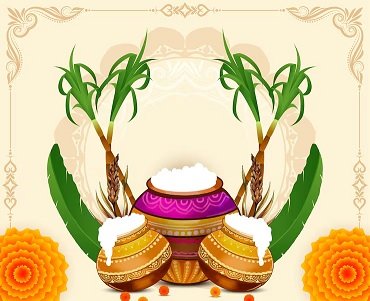
| 14 Jan | Wed | Pongal | Tamil Nadu | Four-day thanksgiving harvest festival |
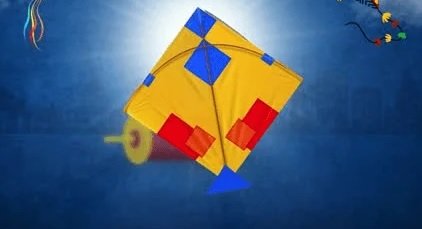
| 14 Jan | Wed | Uttarayan | Gujarat | Internationally known kite festival |
| 15 Jan | Thu | Magh Bihu | Assam | Community harvest celebration |
| 18 Jan | Sun | Mauni Amavasya | Hindu | Sacred bathing and spiritual observance |
| 23 Jan | Fri | Vasant Panchami | Hindu | Worship of Goddess Saraswati |
| 26 Jan | Mon | Republic Day | India | National holiday marking the Constitution |
February 2026
| Date | Day | Festival | Region/Community | Brief Significance |
| 2 Feb | Mon | Guru Ravidas Jayanti | Sikh/Hindu | Birth anniversary of Guru Ravidas |
| 3 Feb | Tue | Magha Purnima | Hindu | Holy full moon for pilgrimage |
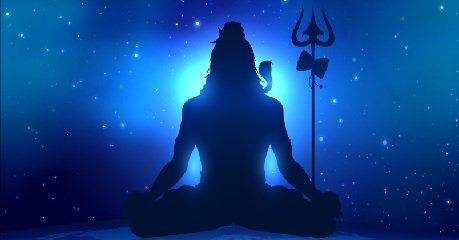
| 15 Feb | Sun | Maha Shivratri | Hindu | Night dedicated to Lord Shiva |
| 17 Feb | Tue | Phalguna Amavasya | Hindu | New moon observance |
| 19 Feb | Thu | Shivaji Maharaj Jayanti | Maharashtra | Birth anniversary of Chhatrapati Shivaji Maharaj |
March 2026
| Date | Day | Festival | Region/Community | Brief Significance |
| 3 Mar | Tue | Holika Dahan | Hindu | Bonfire symbolizing victory over evil |
| 4 Mar | Wed | Holi | Pan India | Festival of colours and spring |
| 19 Mar | Thu | Ugadi | Andhra Pradesh, Telangana, Karnataka | Traditional New Year |
| 19 Mar | Thu | Gudi Padwa | Maharashtra | Marathi New Year |
| 19 Mar | Thu | Chaitra Navratri Begins | Hindu | Nine-day worship of Goddess Durga |
| 21 Mar | Sat | Gangaur | Rajasthan | Festival dedicated to Gauri |
| 26 Mar* | Thu | Rama Navami | Hindu | Birth of Lord Rama |
| 27 Mar* | Fri | Rama Navami (Vaishnava observance) | ISKCON & some traditions | Alternate observance based on tithi |
Source variation: Rama Navami is observed on 26 March in most Smarta Panchangs, while some Vaishnava traditions, including ISKCON, observe it on 27 March because of local sunrise and Navami tithi calculations.
April 2026
| Date | Day | Festival | Region/Community | Brief Significance |
| 2 Apr | Thu | Hanuman Jayanti | Hindu | Birth anniversary of Lord Hanuman |
| 10 Apr | Fri | Good Friday | Christian | Commemorates the crucifixion of Jesus Christ |
| 12 Apr | Sun | Easter | Christian | Celebration of the resurrection of Jesus |
| 14 Apr | Tue | Vaisakhi | Sikh | Foundation of the Khalsa |
| 14 Apr | Tue | Vishu | Kerala | Malayalam New Year harvest festival |
| 14 Apr | Tue | Puthandu | Tamil Nadu | Tamil New Year |
| 14 Apr | Tue | Bohag Bihu | Assam | Assamese New Year |
| 14 Apr | Tue | Ambedkar Jayanti | India | Birth anniversary of Dr. B.R. Ambedkar |
| 19 Apr | Sun | Akshaya Tritiya | Hindu | Auspicious day for new beginnings |
| 30 Apr | Thu | Narasimha Jayanti | Hindu | Birth of Lord Vishnu’s Narasimha avatar |
May 2026
| Date | Day | Festival | Region/Community | Brief Significance |
| 1 May | Fri | Buddha Purnima | Buddhist | Birth, enlightenment and Mahaparinirvana of Buddha |
| 1 May | Fri | Maharashtra Day | Maharashtra | State formation day |
| 1 May | Fri | Gujarat Day | Gujarat | State formation day |
| 16 May | Sat | Shani Jayanti | Hindu | Worship of Lord Shani |
| 25 May | Mon | Ganga Dussehra | Hindu | Celebrates the descent of River Ganga |
June 2026
| Date | Day | Festival | Region/Community | Brief Significance |
| 14 Jun | Sun | Pahili Raja | Odisha | Beginning of Raja Parba |
| 15 Jun | Mon | Raja Sankranti | Odisha | Agricultural festival |
| 17 Jun* | Wed | Islamic New Year | Muslim | Beginning of Hijri year |
| 21 Jun | Sun | International Yoga Day | India | Global celebration of yoga |
| 26 Jun* | Fri | Muharram (Ashura) | Muslim | Commemorates Imam Hussain |
Source variation: Islamic festivals are based on moon sighting and may vary by ±1 day.
July 2026
| Date | Day | Festival | Region/Community | Brief Significance |
| 16 Jul | Thu | Jagannath Rath Yatra | Odisha | Grand chariot procession in Puri |
| 16 Jul | Thu | Gupt Navratri Begins | Hindu | Nine-day Shakti worship |
| 29 Jul | Wed | Guru Purnima | Hindu, Buddhist, Jain | Honors teachers and spiritual guides |
August 2026
| Date | Day | Festival | Region/Community | Brief Significance |
| 15 Aug | Sat | Independence Day | India | National holiday |
| 15 Aug | Sat | Hariyali Teej | North India | Celebration of the monsoon |
| 16 Aug | Sun | Nag Panchami | Hindu | Worship of serpent deities |
| 21 Aug | Fri | Varalakshmi Vrat | South India | Dedicated to Goddess Lakshmi |
| 26 Aug* | Wed | Onam (Thiruvonam) | Kerala | Harvest festival of King Mahabali |
| 27 Aug* | Thu | Raksha Bandhan | Pan India | Celebrates sibling bonds |
Source variation: Some regional Panchangs place Onam or Raksha Bandhan a day later because of local tithi calculations, though 26 August (Onam) and 27 August (Raksha Bandhan) are the most widely accepted dates for India.
September 2026
| Date | Day | Festival | Region/Community | Brief Significance |
| 4 Sep | Fri | Krishna Janmashtami | Hindu | Birth of Lord Krishna |
| 14 Sep | Mon | Ganesh Chaturthi | Pan India | Birth of Lord Ganesha |
| 17 Sep | Thu | Vishwakarma Puja | Hindu | Worship of the divine architect |
| 25 Sep | Fri | Anant Chaturdashi | Hindu | Ganesh Visarjan and Vishnu worship |
| 27 Sep | Sun | Pitru Paksha Begins | Hindu | Ancestor remembrance period |
October 2026
| Date | Day | Festival | Region/Community | Brief Significance |
| 2 Oct | Fri | Gandhi Jayanti | India | National holiday |
| 11 Oct | Sun | Sharadiya Navratri Begins | Hindu | Nine-day Durga festival |
| 18 Oct* | Sun | Durga Ashtami | Hindu | Worship of Goddess Durga |
| 19 Oct* | Mon | Maha Navami | Hindu | Final Navratri day |
| 20 Oct | Tue | Dussehra | Pan India | Victory of good over evil |
| 26 Oct | Mon | Sharad Purnima | Hindu | Full moon associated with Krishna |
| 29 Oct | Thu | Karwa Chauth | North India | Married women observe a fast |
Source variation: Durga Ashtami and Maha Navami differ slightly across Panchang traditions because of overlapping tithis at sunrise.
November 2026
| Date | Day | Festival | Region/Community | Brief Significance |
| 1 Nov | Sun | Ahoi Ashtami | North India | Mothers observe a fast for their children’s well-being |
| 6 Nov | Fri | Dhanteras | Hindu | Beginning of the five-day Diwali festival |
| 8 Nov | Sun | Naraka Chaturdashi | Hindu | Commemorates Lord Krishna’s victory over Narakasura |
| 8 Nov | Sun | Diwali (Lakshmi Puja) | Pan India | Festival of lights dedicated to Goddess Lakshmi |
| 9/10 Nov* | Mon/Tue | Govardhan Puja | Hindu | Worship of Govardhan Hill and Lord Krishna |
| 11 Nov | Wed | Bhai Dooj | Pan India | Celebrates the bond between brothers and sisters |
| 15 Nov | Sun | Chhath Puja | Bihar, Jharkhand, Eastern UP | Worship of the Sun God |
| 20 Nov | Fri | Devutthana Ekadashi | Hindu | Marks the end of Chaturmas |
| 21 Nov | Sat | Tulsi Vivah | Hindu | Ceremonial marriage of Tulsi and Lord Vishnu |
| 24 Nov | Tue | Guru Nanak Jayanti | Sikh | Birth anniversary of Guru Nanak Dev Ji |
Source variation: Govardhan Puja is observed on 9 November in some South Indian Panchangs and 10 November in several North Indian Panchangs because the Pratipada tithi spans different sunrise periods.
December 2026
| Date | Day | Festival | Region/Community | Brief Significance |
| 4 Dec | Fri | Gita Jayanti | Hindu | Commemorates the Bhagavad Gita discourse |
| 4 Dec | Fri | Mokshada Ekadashi | Hindu | Dedicated to Lord Vishnu |
| 8 Dec | Tue | Margashirsha Purnima | Hindu | Auspicious full moon for pilgrimage |
| 15 Dec | Tue | Dhanu Sankranti | Hindu | Sun enters Sagittarius |
| 25 Dec | Fri | Christmas | Christian | Birth of Jesus Christ |
Indian Festival Calendar 2027
January 2027
| Date | Day | Festival | Region/Community | Brief Significance |
| 1 Jan | Fri | New Year’s Day | India | Beginning of the Gregorian year |
| 12 Jan | Tue | National Youth Day | India | Birth anniversary of Swami Vivekananda |
| 14 Jan | Thu | Lohri | Punjab, Haryana | Harvest celebration |
| 15 Jan | Fri | Makar Sankranti | Pan India | Sun enters Capricorn |
| 15 Jan | Fri | Pongal | Tamil Nadu | Harvest thanksgiving festival |
| 15 Jan | Fri | Uttarayan | Gujarat | Kite festival |
| 15 Jan | Fri | Magh Bihu | Assam | Harvest celebration |
| 15 Jan | Fri | Guru Gobind Singh Jayanti | Sikh | Birth anniversary of the tenth Sikh Guru |
| 26 Jan | Tue | Republic Day | India | National holiday |
February 2027
| Date | Day | Festival | Region/Community | Brief Significance |
| 6 Feb | Sat | Mauni Amavasya | Hindu | Sacred bathing day |
| 11 Feb | Thu | Vasant Panchami | Hindu | Worship of Goddess Saraswati |
| 20 Feb | Sat | Guru Ravidas Jayanti | Sikh/Hindu | Birth anniversary of Guru Ravidas |
| 20 Feb | Sat | Magha Purnima | Hindu | Holy full moon observance |
March 2027
| Date | Day | Festival | Region/Community | Brief Significance |
| 6 Mar | Sat | Maha Shivratri | Hindu | Night-long worship of Lord Shiva |
| 10 Mar* | Wed | Eid-ul-Fitr | Muslim | Marks the end of Ramadan |
| 21 Mar | Sun | Holika Dahan | Hindu | Bonfire before Holi |
| 22 Mar | Mon | Holi | Pan India | Festival of colours |
| 26 Mar | Fri | Good Friday | Christian | Commemorates the crucifixion of Jesus |
| 28 Mar | Sun | Easter | Christian | Celebrates the resurrection of Jesus |
Source variation: Eid-ul-Fitr depends on crescent moon sighting and may be observed one day earlier or later.
April 2027
| Date | Day | Festival | Region/Community | Brief Significance |
| 7 Apr | Wed | Ugadi | Andhra Pradesh, Telangana, Karnataka | Traditional New Year |
| 7 Apr | Wed | Gudi Padwa | Maharashtra | Marathi New Year |
| 14 Apr | Wed | Vaisakhi | Punjab | Harvest festival and Khalsa foundation day |
| 14 Apr | Wed | Vishu | Kerala | Malayalam New Year |
| 14 Apr | Wed | Puthandu | Tamil Nadu | Tamil New Year |
| 14 Apr | Wed | Bohag Bihu | Assam | Assamese New Year |
| 14 Apr | Wed | Ambedkar Jayanti | India | Birth anniversary of Dr. B.R. Ambedkar |
| 15 Apr | Thu | Rama Navami | Hindu | Birth of Lord Rama |
| 19 Apr | Mon | Mahavir Jayanti | Jain | Birth anniversary of Lord Mahavira |
May 2027
| Date | Day | Festival | Region/Community | Brief Significance |
| 1 May | Sat | Maharashtra Day | Maharashtra | State formation day |
| 1 May | Sat | Gujarat Day | Gujarat | State formation day |
| 17 May* | Mon | Eid-ul-Adha | Muslim | Festival of sacrifice |
| 20 May | Thu | Buddha Purnima | Buddhist | Birth, enlightenment and Mahaparinirvana of Buddha |
Source variation: Eid-ul-Adha is based on moon sighting and may vary by one day.
June 2027
| Date | Day | Festival | Region/Community | Brief Significance |
| 6 Jun* | Sun | Islamic New Year | Muslim | Beginning of Hijri year |
| 7 Jun | Mon | Maharana Pratap Jayanti | Rajasthan | Birth anniversary of Maharana Pratap |
| 15 Jun* | Tue | Muharram (Ashura) | Muslim | Commemorates Imam Hussain |
| 21 Jun | Mon | International Yoga Day | India | Annual observance promoting yoga |
July 2027
| Date | Day | Festival | Region/Community | Brief Significance |
| 5 Jul | Mon | Jagannath Rath Yatra | Odisha | Grand annual chariot procession |
| 14 Jul | Wed | Devshayani Ekadashi | Hindu | Beginning of Chaturmas |
| 18 Jul | Sun | Guru Purnima | Hindu, Buddhist, Jain | Honors teachers and spiritual mentors |
August 2027
| Date | Day | Festival | Region/Community | Brief Significance |
| 4 Aug | Wed | Hariyali Teej | North India | Celebrates the arrival of the monsoon |
| 6 Aug | Fri | Nag Panchami | Hindu | Worship of serpent deities |
| 13 Aug | Fri | Varalakshmi Vrat | South India | Dedicated to Goddess Lakshmi |
| 15 Aug | Sun | Independence Day | India | National holiday |
| 15 Aug* | Sun | Milad-un-Nabi | Muslim | Birth anniversary of Prophet Muhammad |
| 17 Aug | Tue | Raksha Bandhan | Pan India | Celebrates sibling relationships |
| 25 Aug | Wed | Krishna Janmashtami | Hindu | Birth of Lord Krishna |
Source variation: Milad-un-Nabi depends on local moon sighting and may shift by one day.
September 2027
| Date | Day | Festival | Region/Community | Brief Significance |
| 4 Sep | Sat | Ganesh Chaturthi | Pan India | Birth of Lord Ganesha |
| 12 Sep | Sun | Onam (Thiruvonam) | Kerala | Harvest festival celebrating King Mahabali |
| 30 Sep | Thu | Maharaja Agrasen Jayanti | North India | Commemorates Maharaja Agrasen |
October 2027
| Date | Day | Festival | Region/Community | Brief Significance |
| 2 Oct | Sat | Gandhi Jayanti | India | National holiday commemorating Mahatma Gandhi |
| 3 Oct | Sun | Sharadiya Navratri Begins | Hindu | Nine days of worship dedicated to Goddess Durga |
| 7 Oct | Thu | Durga Ashtami | Pan India | One of the holiest days of Navratri |
| 8 Oct | Fri | Maha Navami | Hindu | Culmination of Durga worship |
| 9 Oct | Sat | Dussehra (Vijayadashami) | Pan India | Victory of Lord Rama over Ravana |
| 14 Oct | Thu | Sharad Purnima | Hindu | Full moon associated with Krishna’s Raas Leela |
| 18 Oct | Mon | Karwa Chauth | North India | Married women observe a fast for their husbands |
| 27 Oct | Wed | Dhanteras | Hindu | Auspicious day for wealth and new purchases |
| 28 Oct | Thu | Naraka Chaturdashi | Hindu | Chhoti Diwali |
| 29 Oct | Fri | Diwali (Lakshmi Puja) | Pan India | Festival of lights |
| 30 Oct | Sat | Govardhan Puja | Hindu | Worship of Govardhan Hill |
| 31 Oct | Sun | Bhai Dooj | Pan India | Celebrates the bond between siblings |
November 2027
| Date | Day | Festival | Region/Community | Brief Significance |
| 4 Nov | Thu | Chhath Puja | Bihar, Jharkhand, Eastern Uttar Pradesh | Worship of the Sun God |
| 10 Nov | Wed | Devutthana Ekadashi | Hindu | Lord Vishnu awakens from Chaturmas |
| 11 Nov | Thu | Tulsi Vivah | Hindu | Ceremonial marriage of Tulsi and Vishnu |
| 14 Nov | Sun | Kartik Purnima | Hindu | Sacred full moon and Dev Deepawali |
| 14 Nov | Sun | Guru Nanak Jayanti | Sikh | Birth anniversary of Guru Nanak Dev Ji |
| 14 Nov | Sun | Children’s Day | India | Birth anniversary of Jawaharlal Nehru |
| 20 Nov | Sat | Kalabhairav Jayanti | Hindu | Dedicated to Lord Kalabhairava |
December 2027
| Date | Day | Festival | Region/Community | Brief Significance |
| 3 Dec | Fri | Vivah Panchami | Hindu | Celebrates the marriage of Lord Rama and Sita |
| 9 Dec | Thu | Mokshada Ekadashi | Hindu | Dedicated to Lord Vishnu |
| 9 Dec | Thu | Gita Jayanti | Hindu | Anniversary of the Bhagavad Gita discourse |
| 13 Dec | Mon | Margashirsha Purnima | Hindu | Sacred full moon observance |
| 13 Dec | Mon | Dattatreya Jayanti | Hindu | Birth anniversary of Lord Dattatreya |
| 16 Dec | Thu | Dhanu Sankranti | Hindu | Sun enters Sagittarius |
| 25 Dec | Sat | Christmas | Christian | Birth of Jesus Christ |
Major Indian Festivals: History, Significance and Celebrations
Diwali
2026: 8 November
2027: 29 October
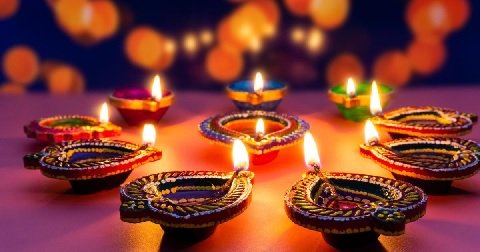
Ask ten people what Diwali celebrates and you’ll probably hear ten slightly different answers. In North India, it’s closely linked to Lord Rama returning to Ayodhya after defeating Ravana. Large parts of western India focus on Lakshmi Puja and the beginning of a new financial year. In South India, Naraka Chaturdashi often receives greater attention because it marks Lord Krishna’s victory over the demon Narakasura. Families clean their homes for days beforehand, decorate entrances with rangoli, light rows of diyas, and perform Lakshmi and Ganesha Puja during the evening Pradosh period. Markets stay crowded until the last minute, sweet shops work around the clock, and fireworks light up the night despite growing environmental restrictions in many cities. The celebrations stretch over five days, beginning with Dhanteras and ending with Bhai Dooj.
Holi
2026: 4 March
2027: 22 March
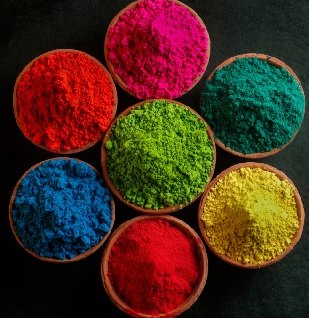
Holi arrives just as winter begins to loosen its grip across much of northern India. The evening before, communities gather around bonfires for Holika Dahan, recalling the story of Prahlad and the defeat of Holika. By the next morning, streets are filled with clouds of coloured powder, water balloons, music, and food stalls selling gujiya, malpua, and thandai. In Barsana and Nandgaon, celebrations follow traditions connected to Krishna and Radha, including the famous Lathmar Holi. Shantiniketan in West Bengal celebrates Basanta Utsav with music and dance rather than colour fights. Every region seems to have its own version, but the spirit stays remarkably similar.
Maha Shivratri
2026: 15 February
2027: 6 March
Unlike many Hindu festivals filled with daytime celebrations, Maha Shivratri belongs to the night. Temples remain open until dawn as devotees offer water, milk, honey, bel leaves, and dhatura to Shiva Lingams. Many people observe a complete fast and remain awake through the night while chanting “Om Namah Shivaya.” The twelve Jyotirlingas attract enormous crowds, especially Kashi Vishwanath, Mahakaleshwar, Somnath, and Kedarnath when accessible. In Kashmir, the festival is known as Herath and carries unique local customs dating back centuries.
Makar Sankranti
2026: 14 January
2027: 15 January
Makar Sankranti stands apart because it follows the solar calendar rather than the lunar one. It marks the Sun’s movement into Capricorn and the beginning of the harvest season. Gujarat celebrates Uttarayan with massive kite-flying competitions that transform the skies over Ahmedabad. Tamil Nadu celebrates Pongal with freshly harvested rice, while Assam marks Magh Bihu through community feasts and ceremonial bonfires. In Maharashtra, people exchange sesame sweets while saying, “Tilgul ghya, god god bola,” encouraging sweetness in speech and relationships.
Pongal
2026: 14 January
2027: 15 January
Pongal lasts four days and follows the rhythm of rural life in Tamil Nadu. The first day, Bhogi, is traditionally associated with clearing out old belongings before the new harvest begins. The second day is dedicated to Surya, the Sun God, when freshly harvested rice is cooked in clay pots until it boils over, a moment greeted with the joyful cry of “Pongalo Pongal!” Mattu Pongal honours cattle that have worked alongside farmers throughout the year, while Kaanum Pongal is a day for family visits and community gatherings. Colorful kolams decorate courtyards, sugarcane fills local markets, and villages host cultural events that have remained largely unchanged for generations.
Raksha Bandhan
2026: 27 August (widely observed; some Panchangs indicate 28 August based on local tithi calculations)
2027: 17 August
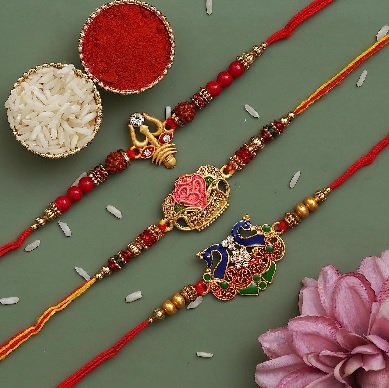
Raksha Bandhan has grown beyond its traditional ceremony, but the central ritual remains remarkably simple. Sisters tie a rakhi around their brothers’ wrists while offering prayers for their health and happiness. Brothers respond with gifts and a promise of lifelong support. In many families, cousins, close friends, and even sisters tie rakhis to one another, reflecting how the festival has evolved. One detail many calendars mention is the importance of avoiding Bhadra Kaal, an inauspicious period during which the rakhi is traditionally not tied. Panchangs publish specific muhurat timings every year, which is why people often double-check the calendar before the festival.
Krishna Janmashtami
2026: 4 September
2027: 25 August
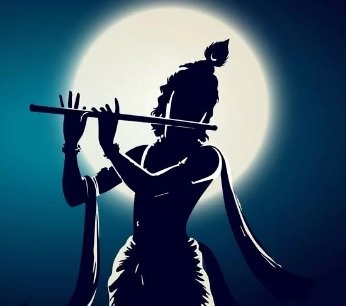
Janmashtami celebrates the birth of Lord Krishna at midnight, the moment tradition says he was born in Mathura. Devotees fast through the day before gathering for midnight prayers, devotional songs, and temple ceremonies. Mathura and Vrindavan become the centre of nationwide celebrations, while Mumbai’s famous Dahi Handi competitions recreate Krishna’s childhood habit of stealing butter by forming human pyramids to break suspended clay pots. ISKCON temples attract thousands of visitors with elaborate decorations, dramatic performances, and continuous chanting of the Hare Krishna mantra.
Ganesh Chaturthi
2026: 14 September
2027: 4 September
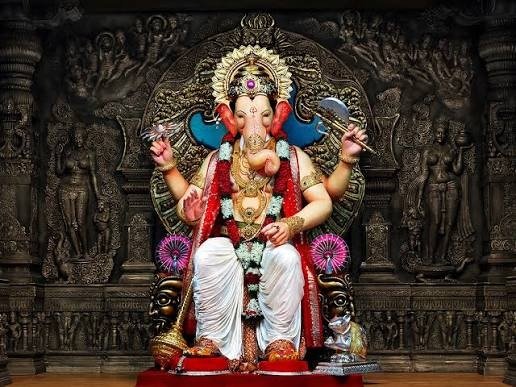
Ganesh Chaturthi transformed into a large public festival during India’s freedom movement when Bal Gangadhar Tilak encouraged community celebrations as a way of bringing people together. Today, Mumbai remains the heart of the festival. Massive idols appear in neighbourhood pandals, cultural performances continue for days, and devotees queue for hours to visit famous installations such as Lalbaugcha Raja. Families also bring smaller idols home, offering modaks, durva grass, coconuts, and flowers during daily prayers. The celebrations conclude with Ganesh Visarjan, when idols are immersed in rivers, lakes, or the sea amid chants of “Ganpati Bappa Morya.”
Navratri and Durga Puja
2026: Navratri begins 11 October
2027: Navratri begins 3 October
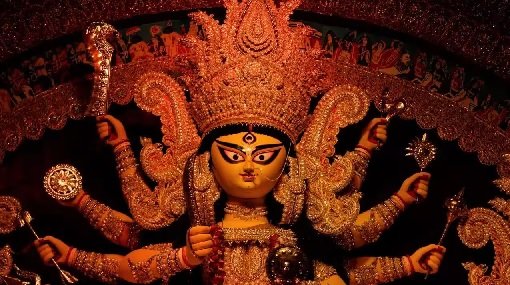
The same nine days take on very different personalities across India. Gujarat comes alive after sunset with Garba and Dandiya Raas, where thousands dance in colourful traditional dress until late at night. West Bengal focuses on Durga Puja, creating artistic pandals that often resemble museums or historic monuments. Craftsmen in Kumartuli, Kolkata, spend months sculpting clay idols before the festival begins. In Himachal Pradesh, Kullu Dussehra starts after Vijayadashami rather than ending with it. Families observing Navratri at home often fast, perform daily prayers, and worship the nine forms of Goddess Durga.
Dussehra (Vijayadashami)
2026: 20 October
2027: 9 October
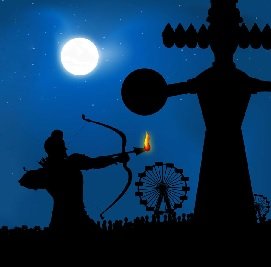
Dussehra marks the victory of Lord Rama over Ravana and, more broadly, the triumph of righteousness over arrogance and injustice. Across North India, towering effigies of Ravana, Meghnad, and Kumbhakarna are set ablaze after dramatic performances of the Ramayana. Mysuru celebrates Dasara with a royal procession that traces its history back to the Wadiyar dynasty. In parts of Maharashtra, people exchange Apta leaves, symbolically treating them as gold to wish prosperity. Many businesses also choose Vijayadashami to begin new ventures because the day is considered especially auspicious.
Onam
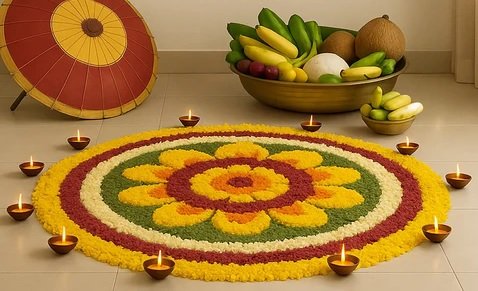
2026: 26 August (widely accepted date for Thiruvonam)
2027: 12 September
Onam is deeply woven into Kerala’s identity. According to tradition, the beloved King Mahabali returns each year to visit his people, and households prepare to welcome him with flower carpets known as Pookalam. The famous Onam Sadya can include more than twenty vegetarian dishes served on banana leaves. Across the state, snake boat races, Kathakali performances, Pulikali tiger dances, and cultural competitions bring communities together. Unlike many religious festivals, Onam is celebrated by people across different faiths in Kerala and has become as much a cultural festival as a religious one.
Eid-ul-Fitr
2027: Expected on 10 March (subject to moon sighting)
Eid-ul-Fitr begins only after the crescent moon confirms the end of Ramadan. The uncertainty is part of the tradition. Families wait for official moon-sighting announcements before preparations begin in earnest. Early the next morning, worshippers gather for special Eid prayers before visiting relatives, exchanging greetings of “Eid Mubarak,” and sharing festive meals. Sweet dishes vary across India, from sheer khurma in Hyderabad to seviyan in northern states. Before the prayer, Muslims distribute Zakat al-Fitr, ensuring that everyone in the community can take part in the celebration.
Eid-ul-Adha (Bakrid)
2027: Expected on 17 May (subject to moon sighting)
Eid-ul-Adha commemorates Prophet Ibrahim’s willingness to sacrifice in obedience to God. The festival begins with congregational prayers before families perform Qurbani, where permitted, and distribute the meat among relatives, neighbours, and those in need. Charity remains central to the observance. Markets selling livestock become especially active in the days leading up to the festival, while community kitchens and charitable organizations work to ensure that the celebration reaches families who may otherwise be unable to participate.
Guru Nanak Jayanti
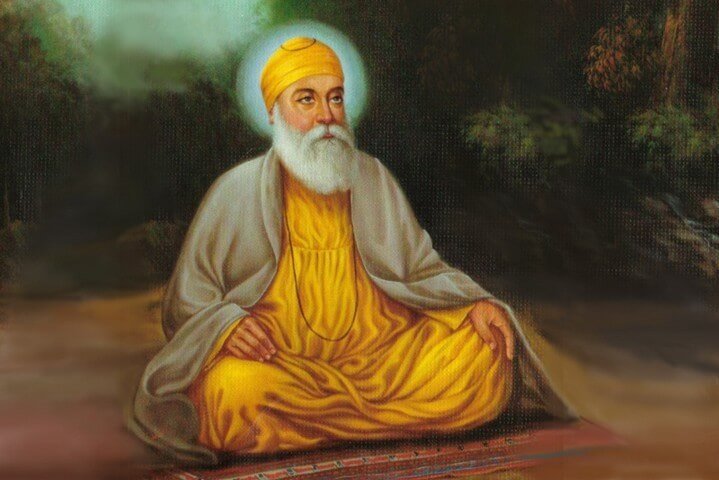
2026: 24 November
2027: 14 November
Guru Nanak Jayanti, also called Gurpurab, commemorates the birth of Guru Nanak Dev Ji, the founder of Sikhism. Preparations begin several days in advance with the Akhand Path, a continuous reading of the Guru Granth Sahib that lasts around 48 hours. Gurdwaras are decorated with lights, devotional hymns continue throughout the day, and Nagar Kirtans move through city streets led by the Panj Pyare. One tradition that stands out is the Langar, where volunteers prepare and serve free meals to anyone who arrives, regardless of religion, caste, or background. The Golden Temple in Amritsar remains illuminated through the night and attracts pilgrims from across the world.
Chhath Puja
2026: 15 November
2027: 4 November
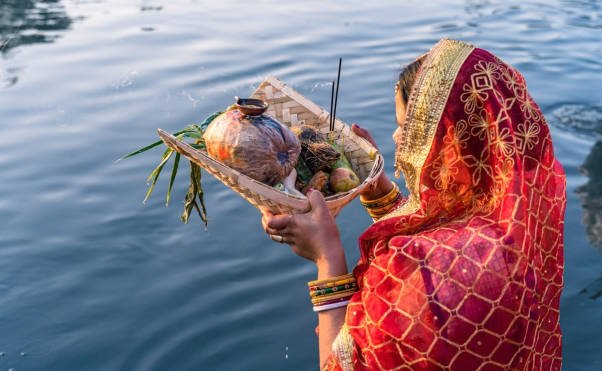
Chhath Puja is one of the most disciplined festivals in the Hindu calendar. Devotees observe rigorous fasting, avoid even drinking water during key stages, and offer prayers standing in rivers, ponds, or lakes during both sunset and sunrise. The festival is dedicated to Surya, the Sun God, and Chhathi Maiya. Bihar, Jharkhand, and eastern Uttar Pradesh host the largest celebrations, though migrant communities have carried the tradition to Delhi, Mumbai, Kolkata, and many cities outside India. Bamboo baskets filled with sugarcane, coconuts, bananas, and handmade thekua sweets are prepared with extraordinary care, and riverbanks are cleaned extensively before the rituals begin.
Vaisakhi
2026: 14 April
2027: 14 April
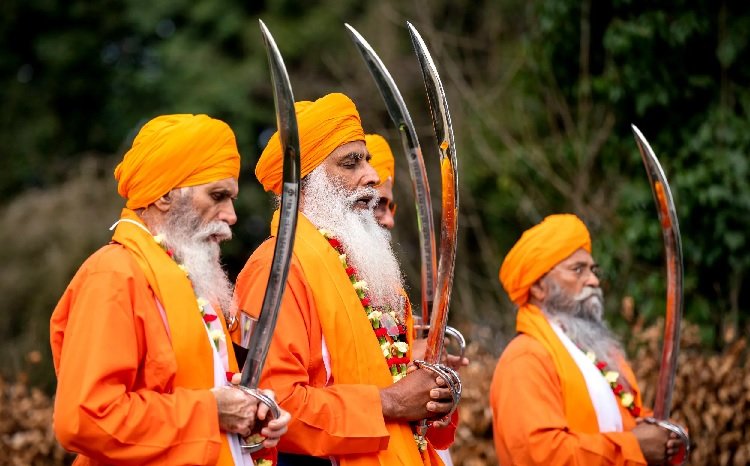
Vaisakhi carries two important meanings. For farming communities across Punjab, it marks the wheat harvest. For Sikhs, it commemorates the creation of the Khalsa by Guru Gobind Singh in 1699 at Anandpur Sahib. Gurdwaras organize special prayers, Nagar Kirtans, and community meals, while villages celebrate with energetic Bhangra and Gidda performances. The festival also attracts thousands of pilgrims to Anandpur Sahib, where historical reenactments and religious ceremonies commemorate one of the defining moments in Sikh history.
Buddha Purnima
2026: 1 May
2027: 20 May
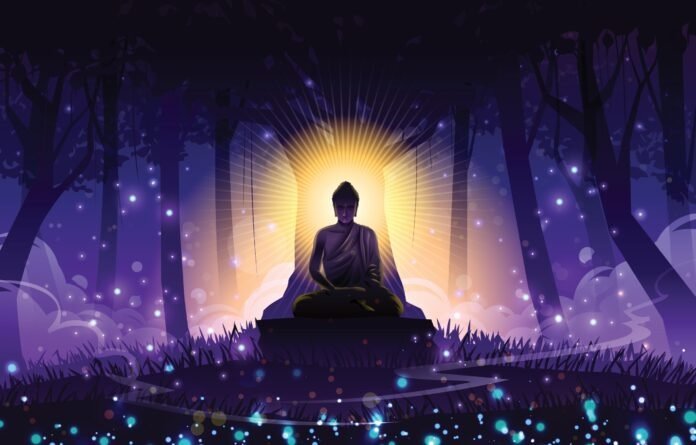
Buddha Purnima marks the birth, enlightenment, and Mahaparinirvana of Gautama Buddha, making it one of the most important days in the Buddhist calendar. Bodh Gaya, where the Buddha attained enlightenment beneath the Bodhi Tree, becomes the centre of international pilgrimage. Sarnath, where he delivered his first sermon, and Kushinagar, where he attained Mahaparinirvana, also welcome thousands of visitors. Monasteries conduct meditation sessions, scripture readings, and acts of charity. Many devotees release birds, distribute food, and participate in blood donation drives as expressions of compassion.
Maha Vishnu’s Rath Yatra (Jagannath Rath Yatra)
2026: 16 July
2027: 5 July
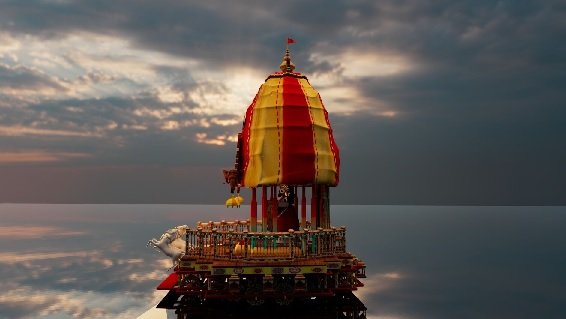
Every year, three enormous wooden chariots roll through the streets of Puri carrying Lord Jagannath, Lord Balabhadra, and Goddess Subhadra. The chariots are rebuilt from scratch each year using specific types of wood and traditional methods that have been followed for centuries. Devotees believe pulling the ropes of the chariot brings blessings, which is why thousands compete for the opportunity. The procession covers roughly three kilometres between the Jagannath Temple and the Gundicha Temple. Similar Rath Yatras now take place in cities across India and around the world, but the Puri procession remains the original and the largest.
Christmas
2026: 25 December
2027: 25 December
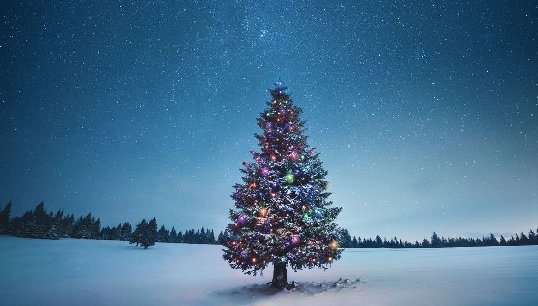
Christmas is celebrated across India in ways that reflect local culture as much as Christian tradition. Midnight Mass draws large congregations in churches from Goa to Mizoram, while neighbourhoods decorate homes with paper stars, cribs, and Christmas trees. Goa’s Portuguese influence is especially visible through music, traditional sweets such as bebinca, and illuminated churches. Kerala’s Syrian Christian communities observe customs that date back many centuries, and cities such as Shillong, Kolkata, and Mumbai host public celebrations that attract people from every community. For many families, Christmas has also become a cultural holiday centred on gatherings, food, and giving.
Note on Date Variations
Festival dates in India are not calculated from a single calendar.
Most Hindu festivals follow the lunisolar Panchang, where observances depend on the combination of tithi, sunrise, moon phase, and local geographical coordinates. A festival may therefore appear on different Gregorian dates in different Panchangs if the relevant tithi changes before or after sunrise.
For example:
- Rama Navami (2026) is observed on 26 March in most Smarta Panchangs, while some Vaishnava traditions, including ISKCON, observe it on 27 March because the Navami tithi extends into the following sunrise.
- Govardhan Puja (2026) appears on 9 November in some South Indian Panchangs and 10 November in several North Indian Panchangs because of differing rules for Pratipada observance.
- Durga Ashtami (2026) and Maha Navami (2026) also vary slightly across Panchang traditions where Ashtami and Navami overlap around sunrise.
Islamic festivals follow a different system altogether. Eid-ul-Fitr, Eid-ul-Adha, Muharram, Milad-un-Nabi, and the Islamic New Year are based on the Hijri lunar calendar and require confirmation through crescent moon sightings. Because weather conditions and local visibility differ, official observances in India can move by one day even when astronomical calculations predict a specific date months in advance.
The dates in this calendar have been cross-checked against Drik Panchang, widely used Indian holiday calendars, and official holiday references wherever applicable. Wherever reliable sources presented different observance dates, those differences have been identified rather than removed so readers can make informed decisions based on their location, religious tradition, or state holiday notification.
Also see: Best Summer Destinations in India 2026
Also see: Full Moon on July 29, 2026: Horoscope, Meaning & Rituals
Also see: Muharram 2026: Dates, Islamic New Year & Ashura Explained
Also see: Summer Solstice 2026: Is the Universe Guiding You to Your True Purpose?