

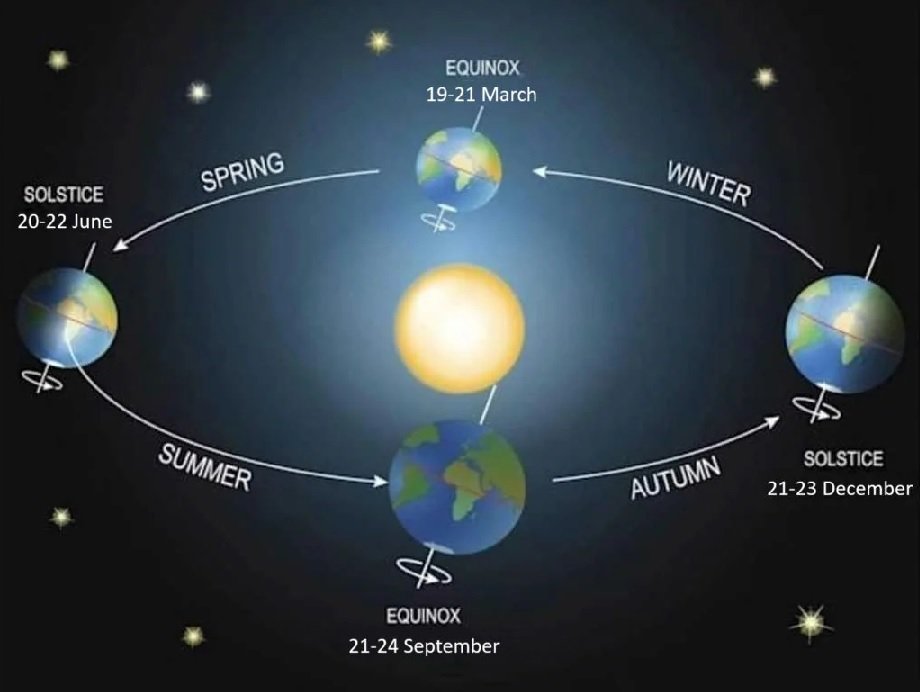
The Summer Solstice arrives only once each year, yet for thousands of years it has carried meaning far beyond astronomy. On June 21, the Northern Hemisphere experiences its longest day and shortest night as the Sun reaches its highest point in the sky. Ancient civilizations built monuments around it, priests marked it with sacred ceremonies, and spiritual seekers saw it as a rare opportunity to pause before life quietly changed direction.
Many modern spiritual practitioners believe the same invitation still exists today.
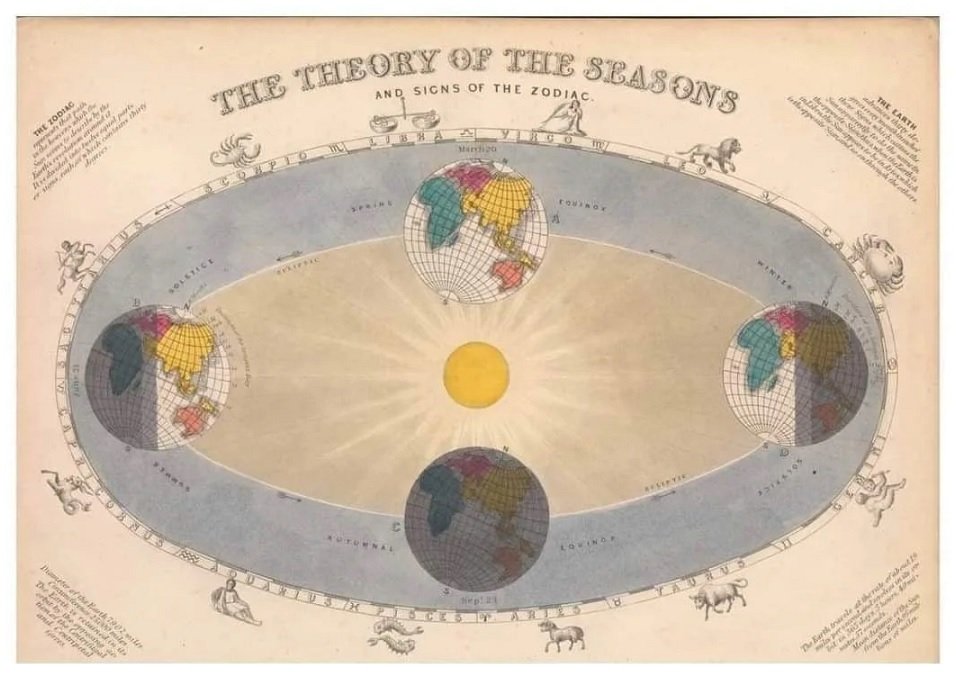
While astronomers explain the Summer Solstice through Earth’s 23.5-degree axial tilt, spiritual traditions view the event through a different lens. They see the longest day of the year as a symbolic moment when light reaches its greatest strength, encouraging people to illuminate the parts of themselves that have remained hidden. It is this belief that has given rise to what many now call the June Solar Portal, a period associated with reflection, emotional clarity, and personal transformation.
Energy workers describe the June 21 Solar Portal as “associated with heightened energy, illumination, and personal transformation“. They also remind seekers that “spiritual awakening isn’t always comfortable“, adding that the journey often begins when “your current life no longer fits the person you’re becoming“.
Those words resonate because they describe something many people quietly experience.
What’s happening around the world: Strawberry Moon 2026: When to See June’s Rare Full Moon
A Sacred Day Honored Across Civilizations
Long before the phrase “Solar Portal” appeared in spiritual communities, cultures across the world regarded the Summer Solstice as one of the year’s most significant days.
In England, thousands still gather at Stonehenge, where the ancient monument aligns with the solstice sunrise. Archaeologists believe this alignment was intentional, reflecting the importance of the Sun in prehistoric ritual life.
In Scandinavia, Midsummer celebrations continue with bonfires, flower crowns, music, and gatherings that symbolize abundance and renewal.
In Ancient Egypt, the Summer Solstice closely coincided with the annual flooding of the Nile, an event that sustained agriculture and symbolized life itself.
Across many Indigenous cultures, the Sun has long represented wisdom, gratitude, and continuity between humanity and nature.
Indian spiritual traditions also recognize the profound symbolism of this period. June 21 is observed globally as International Yoga Day, a date chosen because the Summer Solstice has long been regarded within yogic philosophy as a powerful time for inner discipline and spiritual growth. Yogic teachings describe the Sun not merely as a celestial body but as a symbol of consciousness, vitality, and life force. Practices such as Surya Namaskar, sunrise meditation, mantra chanting, and mindful breathing become especially meaningful during this seasonal transition.
Although these traditions developed independently across different civilizations, they share a striking similarity. Each view the Summer Solstice as a moment to reconnect with nature, with community, and with oneself.
Signs the Universe May Be Guiding You Toward Your True Purpose
1. The life you’ve built no longer feels like home
Nothing around you may have changed, yet something within you has. The routines that once brought comfort now feels limiting. Conversations, environments, or even long-held goals begin to lose their meaning. Many spiritual teachers see this as one of the earliest signs that your inner self is preparing for a new chapter.
2. The same question keeps returning to your heart
Perhaps you find yourself asking, “What am I truly meant to do?” or “Is there more to life than this?” The question doesn’t disappear, even when life gets busy. Across many spiritual traditions, recurring inner questions are viewed as gentle invitations to explore a deeper purpose rather than problems that need immediate answers.
3. You naturally seek silence instead of constant noise
You may feel drawn toward early mornings, quiet walks, meditation, reading, or simply spending time alone. It’s not about escaping people. Many practitioners believe this growing appreciation for stillness creates space for inner wisdom to become easier to hear.
4. You begin protecting your energy without guilt
Saying “no” becomes easier. You no longer feel the need to explain every decision or maintain relationships that leave you emotionally drained. Spiritual traditions often describe this as choosing alignment over approval, allowing your energy to flow toward what truly nourishes you.
5. Meaningful coincidences seem to appear more often
A conversation answers a question you’ve been carrying. A book finds its way into your hands at exactly the right time. The same message appears through different people or experiences. Some spiritual traditions refer to these moments as synchronicities, not necessarily proof of destiny, but gentle reminders to remain aware of the path unfolding before you.
6. Success begins to look different
Achievements may still matter, but they no longer define your happiness. Instead, peace, authenticity, meaningful relationships, and inner fulfillment gradually become more important than recognition or comparison. Many spiritual paths describe this shift as moving from external validation toward inner contentment.
7. You stop asking what you want and begin asking who you are becoming
Perhaps the most profound change is subtle. Your focus moves away from chasing the next achievement and toward becoming a person whose actions reflect compassion, honesty, courage, and purpose. Many spiritual traditions believe this quiet shift marks the beginning of a lifelong journey rather than its destination.
Spiritual Traditions Believe Transformation Often Begins Quietly
Many people expect spiritual transformation to arrive dramatically.
Experienced practitioners often describe the opposite.
Instead of extraordinary visions or sudden revelations, change may begin with subtle shifts that gradually reshape everyday life. You may find yourself questioning routines that once felt comfortable. Conversations that used to energize you may suddenly feel exhausting. Goals that once seemed essential might lose their appeal without any obvious explanation.
Rather than interpreting these experiences as problems, many spiritual traditions see them as invitations to pause and pay closer attention.
One of the first changes people often notice is an increasing desire for stillness. Moments of silence become more valuable than constant activity. Time spent in nature feels restorative. Sunrise carries a different meaning. The mind becomes less interested in noise and more interested in clarity.
Another common experience is emotional resurfacing.
Old memories, unresolved feelings, or relationships that seemed long settled may unexpectedly return to your thoughts. Spiritual teachers frequently describe this not as punishment but as an opportunity for healing. According to this perspective, what is acknowledged can eventually be released.
Many practitioners also speak of heightened intuition during this period. Rather than predicting the future, intuition is understood as a quieter awareness of what already feels true. Decisions become less about external approval and more about inner alignment.
Perhaps the most significant change is the realization that success alone may no longer feel fulfilling.
People often begin asking different questions.
What genuinely brings peace?
What deserves more of my energy?
What am I holding on, simply because it is familiar?
These questions have appeared throughout spiritual literature for centuries because they mark the beginning of self-examination rather than the end of certainty.
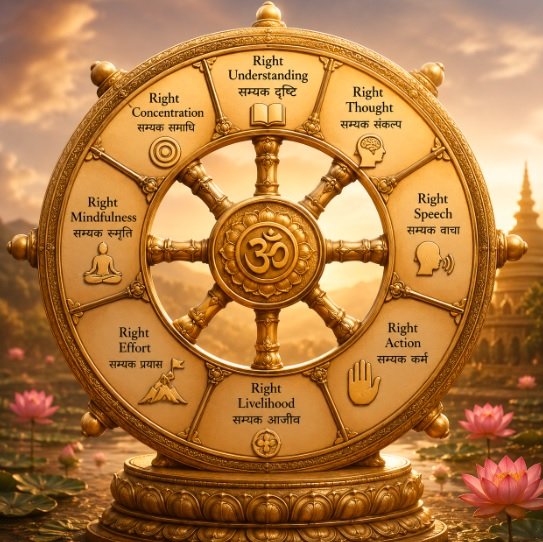
Walking Toward Your Purpose
The idea of finding one’s true purpose appears in many spiritual traditions, although it is described in different ways.
In yogic philosophy, it is often connected to dharma, the unique path through which a person expresses their deepest values and contributes to the world. Other traditions describe purpose as living in greater harmony with one’s authentic self rather than chasing external expectations.
The Summer Solstice does not promise instant answers.
Instead, many practitioners believe it offers a symbolic invitation to notice where life already seems to be pointing.
You may discover that your interests have changed. You may feel drawn toward creativity, service, learning, or relationships that nourish rather than deplete you. Some people begin simplifying their schedules. Others reconnect with forgotten passions or long-delayed dreams.
These changes rarely happen overnight.
Like the Sun itself, they unfold gradually.
Many spiritual communities mark the solstice with simple practices that encourage this process. Sunrise meditation, gratitude journaling, intention-setting, mindful walks in nature, lighting candles, yoga, and moments of quiet reflection are all ways of honoring the season. None of these rituals guarantee transformation, but they create space for people to listen more closely to themselves.
As daylight reaches its peak before gradually beginning its slow return toward autumn, spiritual traditions often remind us that life also moves in cycles. Growth is followed by rest. Expansion is balanced by reflection. Every ending quietly prepares the next beginning.
Whether you see the Summer Solstice as an astronomical milestone, a sacred seasonal celebration, or a deeply personal moment of reflection, its enduring message has remained remarkably consistent across cultures and generations.
When the world is filled with light, many believe it becomes easier to recognize what has been waiting patiently within us all along.
And perhaps that is the real invitation of the Summer Solstice not to become someone entirely new, but to move one step closer to the person you were always meant to become.
For more updates follow: First Report News