
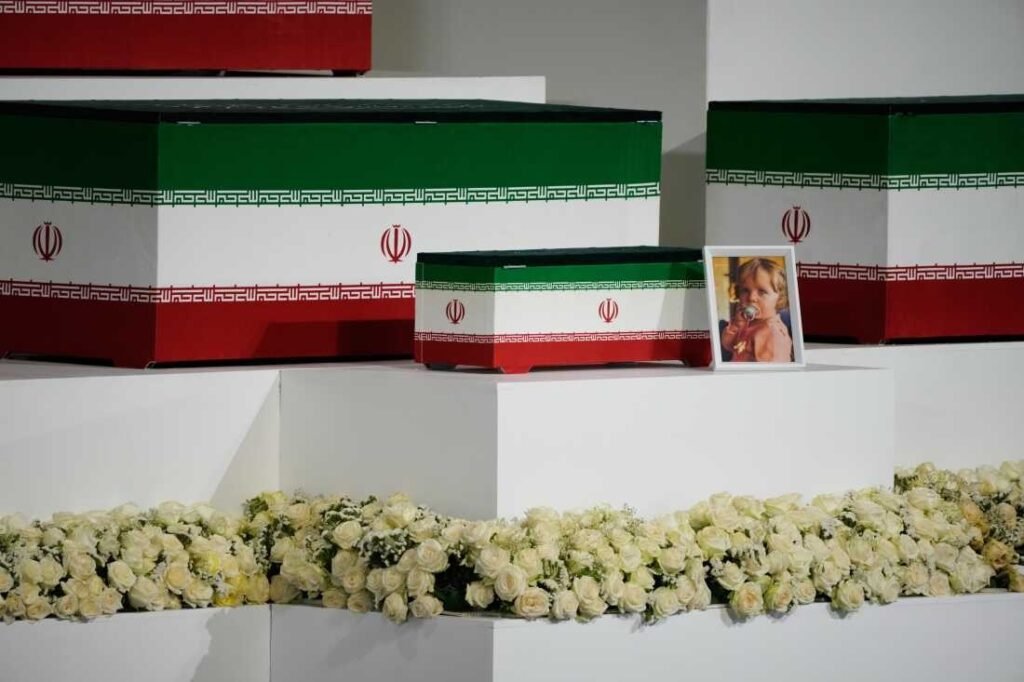
The image that drew the most attention at Ayatollah Ali Khamenei’s state funeral in Tehran was not his own flag-draped coffin. It was the much smaller coffin placed beside it, carrying the remains of his 14-month-old granddaughter, Zahra Mohammadi Golpayegani, who Iranian authorities say was killed alongside the country’s longtime supreme leader during US and Israeli strikes on February 28.
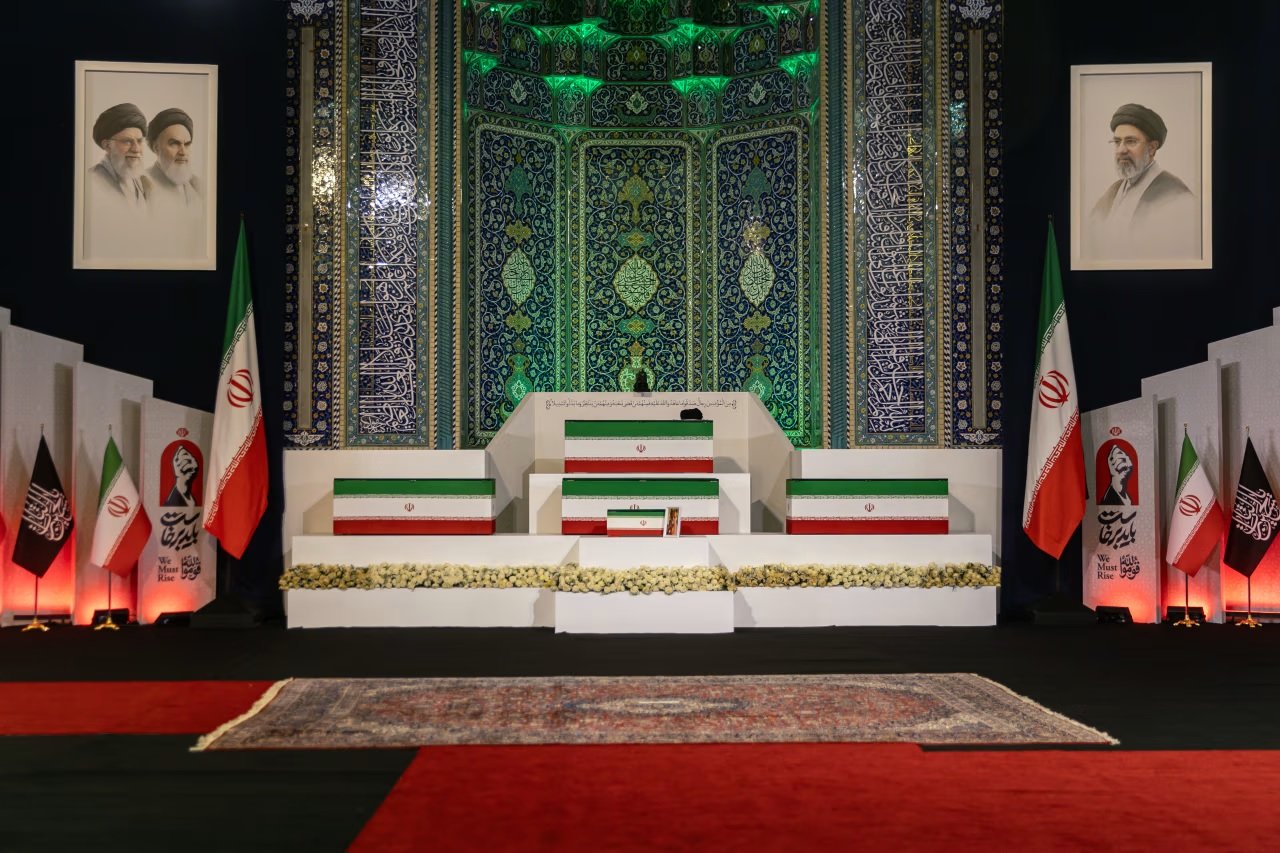
Funeral ceremonies officially began in Tehran on July 4, more than four months after Khamenei’s death, with thousands gathering at the Grand Mosalla complex. His coffin, draped in the Iranian national flag and topped with his signature black turban, was displayed alongside the coffins of relatives killed in the same attack. Zahra’s coffin, also wrapped in the national flag and placed next to her framed photograph, quickly became one of the defining images of the ceremony.
Iranian officials said the funeral will continue for six days, with processions planned through Tehran, Qom, Mashhad, and the Iraqi holy cities of Najaf and Karbala before Khamenei is buried in Mashhad. Authorities have projected that between 15 million and 20 million people could participate in funeral events in Tehran alone, although those figures have not been independently verified.
What’s happening around the world: Mojtaba Khamenei Escapes Death by Seconds in US Strike That Killed Iran’s Supreme Leader
The funeral comes after an unusually long delay. Khamenei was killed on February 28 during coordinated US and Israeli strikes that also claimed the lives of several relatives and senior Iranian officials. Iranian authorities postponed public funeral ceremonies for months because of security concerns following the conflict and the continued threat of further attacks, making this one of the longest delays between the death of an Iranian supreme leader and his burial.
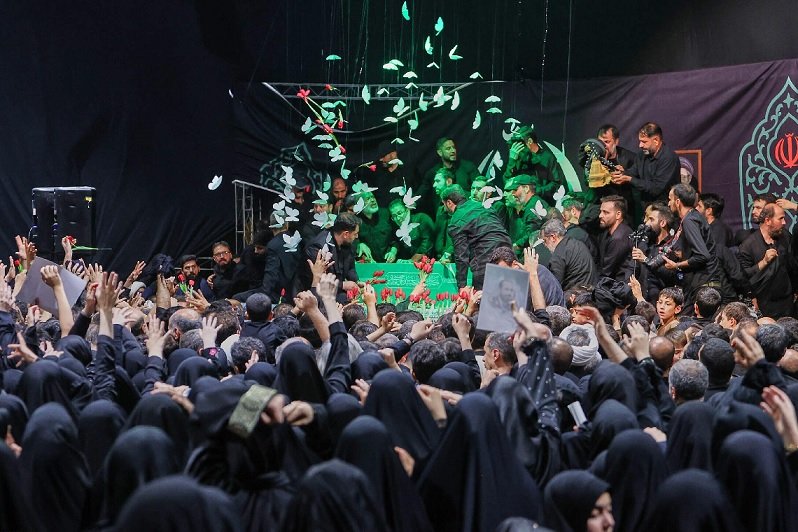
As mourners entered the Grand Mosalla after its gates opened, crowds carrying red banners chanted slogans including “Death to America“ and “Revenge, revenge”, according to AFP. The red flags, commonly associated with Shiite calls for justice and martyrdom, were visible throughout the gathering. One 27-year-old mourner told the Associated Press, “I am here to say goodbye to my beloved leader Ali Khamenei. I never expected to see such a day. I wish I had died before this tragedy“.
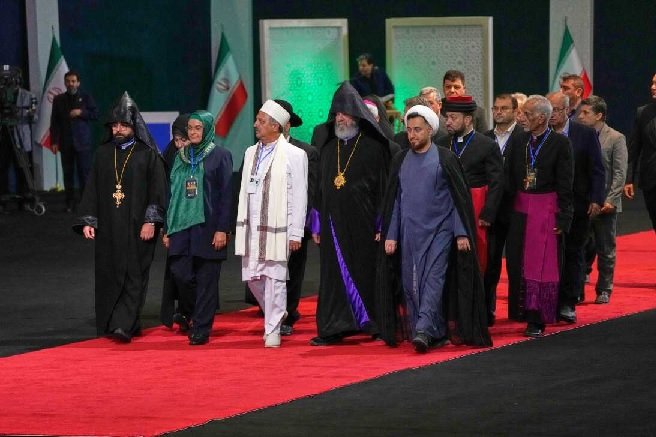
Senior Iranian officials also attended the ceremony. Parliament Speaker Mohammad Bagher Ghalibaf was visibly emotional during the proceedings, while Ahmad Vahidi, recently appointed chief of Iran’s Islamic Revolutionary Guard Corps after his predecessor was killed in the February strikes, joined other senior military and political leaders paying their respects.
The funeral has also become a diplomatic event. India sent a delegation led by Bihar Governor Syed Ata Hasnain and Minister of State for External Affairs Pabitra Margherita, reflecting New Delhi’s effort to maintain relations with Tehran despite its strategic partnerships with both the United States and Israel. Other regional delegations, including officials from Iraq and representatives aligned with Iran’s regional allies, have also attended various funeral events.
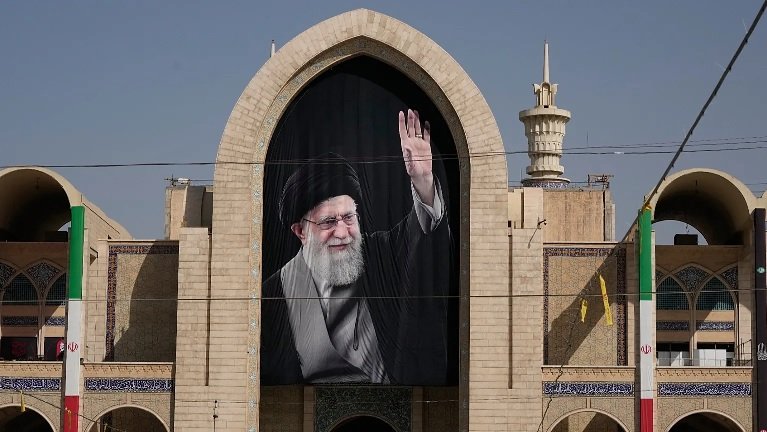
Beyond the emotional scenes, the funeral serves a broader political purpose. Analysts say the ceremonies are intended to demonstrate continuity within Iran’s leadership after one of the country’s biggest security failures. The display of Khamenei’s family members alongside him reinforces Tehran’s claim that civilians and relatives were also killed during the strikes, a narrative repeatedly emphasized by Iranian state media.
The image of Zahra Mohammadi Golpayegani’s small coffin has become central to that message. While international attention has largely focused on the geopolitical consequences of Khamenei’s death, Iranian media have repeatedly highlighted the toddler’s death to underscore the human cost of the conflict. The photograph spread rapidly across state television broadcasts and social media, turning one family’s loss into one of the most recognizable symbols of Iran’s national mourning.
The funeral procession will remain in Tehran until Monday before moving to Qom, then continuing through Iraq’s major Shiite pilgrimage cities. Khamenei is scheduled to be buried in Mashhad later this week, bringing to a close, ceremonies that Iranian authorities describe as among the largest public commemorations in the country’s modern history.
For more updates follow: First Report News