
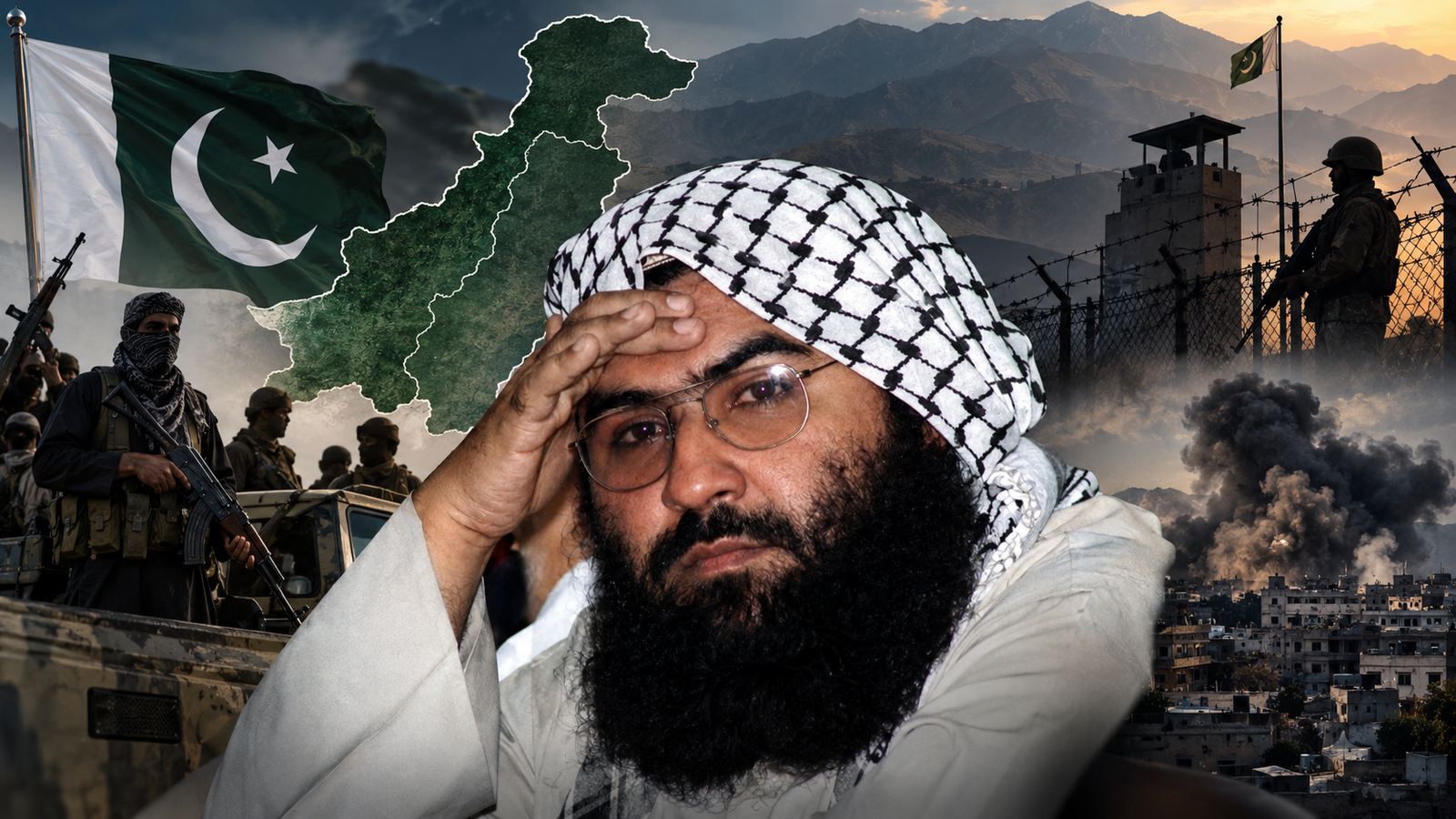
Pakistan has increased the bounty on Jaish-e-Mohammed founder Masood Azhar to PKR 7 million while retaining him in its latest most-wanted list, but the move comes as terrorism in Pakistan has reached levels that expose a much larger security problem. The 2026 Global Terrorism Index ranks Pakistan as the country most affected by terrorism, recording 1,139 terrorism-related deaths and 1,045 attacks in 2025.
Azhar’s case is particularly revealing because Pakistan’s own records identify him as a wanted terrorist, yet Islamabad has maintained that he fled to Afghanistan. On September 9, a senior Afghan Foreign Ministry official rejected that claim and said Azhar was not in Afghanistan.
The result is an unresolved question at the centre of Pakistan’s counterterrorism record. Islamabad has publicly designated Azhar as a fugitive, attached a substantial reward to information leading to his capture and maintained terrorism cases against him, but there is still no publicly established account of where he is.
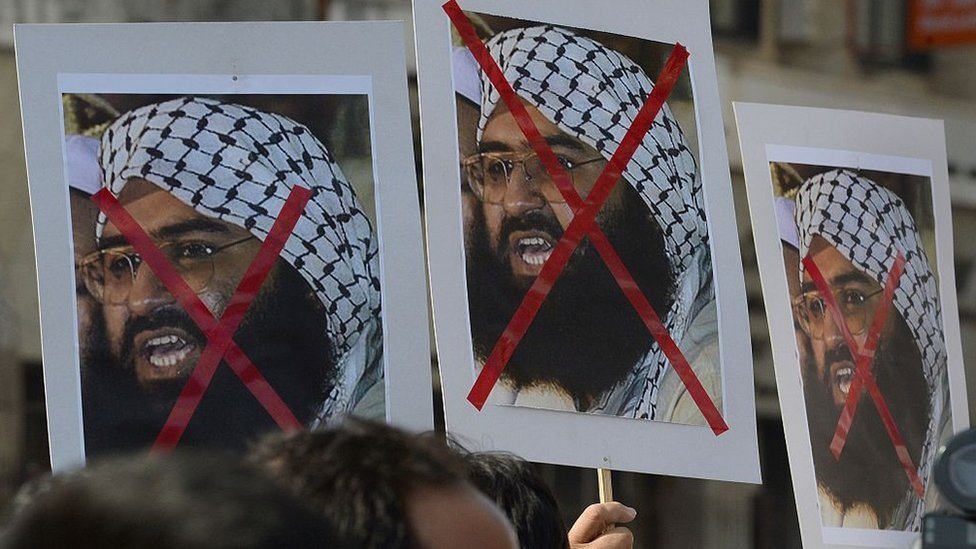
Photo Credit: Francis Mascarenhas
Read more about: Statement by Foreign Secretary on 26 February 2019 on the Strike on JeM training camp at Balakot
Also read: Saudi Arabia, Pakistan, Türkiye Defence Alliance Explained
Also read: Pakistan Launches Cross-Border Operation After Karachi Attack, Says 29 Militants Killed
Terrorism in Pakistan is no longer a peripheral security problem
The scale of violence has changed sharply since the Taliban returned to power in Afghanistan in 2021.
The Global Terrorism Index says Pakistan recorded 1,045 terrorist attacks and 1,139 deaths in 2025. More than 74% of attacks and 67% of deaths occurred in Khyber Pakhtunkhwa and Balochistan, the two regions bordering Afghanistan. The report also recorded 655 hostages taken in 2025, compared with 101 the previous year.
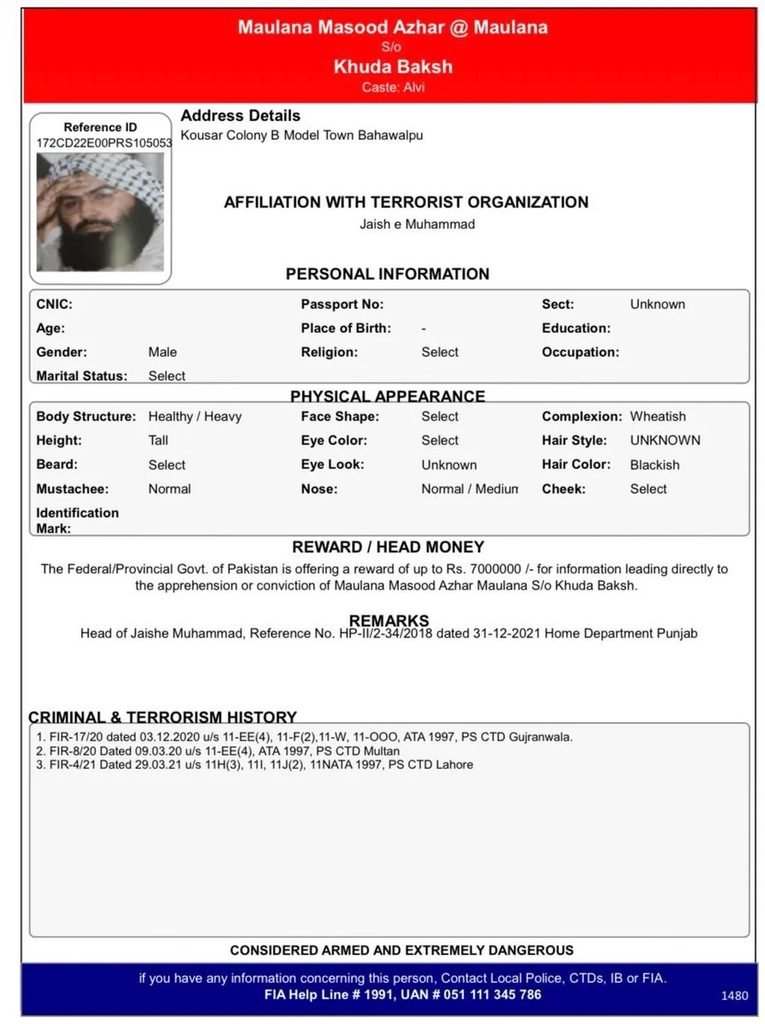
Photo Credit: Federal Investigation Agency (FIA), Pakistan
Pakistan’s own security authorities reported a much larger figure of 5,397 terrorism incidents in 2025, alongside 27 suicide attacks and 1,235 deaths. The difference is not necessarily an error. The datasets use different definitions and methodologies, but the direction is the same: violence intensified substantially.
An independent Pakistan-based conflict database recorded 3,413 combat-related deaths in 2025, including 667 security personnel and 580 civilians. It described the year as the deadliest for Pakistani security forces since 2011 and the worst for civilian deaths since 2015.
| Indicator | 2025 figure |
| GTI terrorism deaths | 1,139 |
| GTI terrorist attacks | 1,045 |
| Pakistan official terrorism incidents | 5,397 |
| Pakistan official suicide attacks | 27 |
| PICSS combat-related deaths | 3,413 |
| PICSS security-force deaths | 667 |
These numbers point to a country confronting several militant threats at once, rather than a single terrorist organisation.
Also read: India Rebukes Pakistan at UN, Reasserts Kashmir Claim Amid Fresh Row Over Gilgit-Baltistan Elections
Also read: Pakistan $3 Billion Saudi Loan: Survival or Debt Trap
Also read: Pakistan Israel War of Words: “Burn in Hell” Amid Lebanon Strikes
TTP violence is driving Pakistan’s internal crisis
The Tehrik-e-Taliban Pakistan, or TTP, has become a central component of the worsening security environment.
A United Nations monitoring report said TTP attacks in Pakistan increased throughout 2025 and that estimates had already placed the number above 600. It described increasingly complex attacks involving vehicle-borne explosives and coordinated suicide attackers. The report also said TTP’s campaign had expanded toward military-owned businesses and Chinese enterprises in Pakistan.
The UN assessment links the escalation to Pakistan’s deteriorating relationship with Taliban authorities in Afghanistan. It said continued Taliban harbouring of TTP leadership had brought relations between Kabul and Islamabad to a critical point.
That creates an uncomfortable contradiction for Pakistan. Islamabad is confronting militants allegedly operating from Afghan territory while simultaneously insisting that one of its most internationally notorious militant leaders, Masood Azhar, fled in the opposite direction.
Afghanistan’s Taliban government has now publicly denied that Azhar is there. Kabul also reiterated that Afghan territory would not be used to attack other countries.
Read more about: TEHRIK-E TALIBAN PAKISTAN (TTP) | Security Council
Also read: BRICS New Delhi Declaration 2026: Key Points & Impact
Also read: UAE Iran BRICS Meeting Opens a New Diplomatic Channel in New Delhi
Masood Azhar exposes the gap between designation and enforcement
Pakistan’s 2026 FIA Red Book reportedly contains 1,804 names, with Azhar at serial number 1480. His entry dates back to December 31, 2021. The reward attached to information leading to his apprehension or conviction has risen from PKR 2 million to PKR 7 million.
That means the latest announcement is not a new designation. Pakistan already considered Azhar a wanted fugitive.
His case also predates the current FATF discussion. Pakistan was removed from the Financial Action Task Force‘s increased-monitoring process in October 2022 after FATF said Islamabad had addressed the deficiencies in its two action plans.
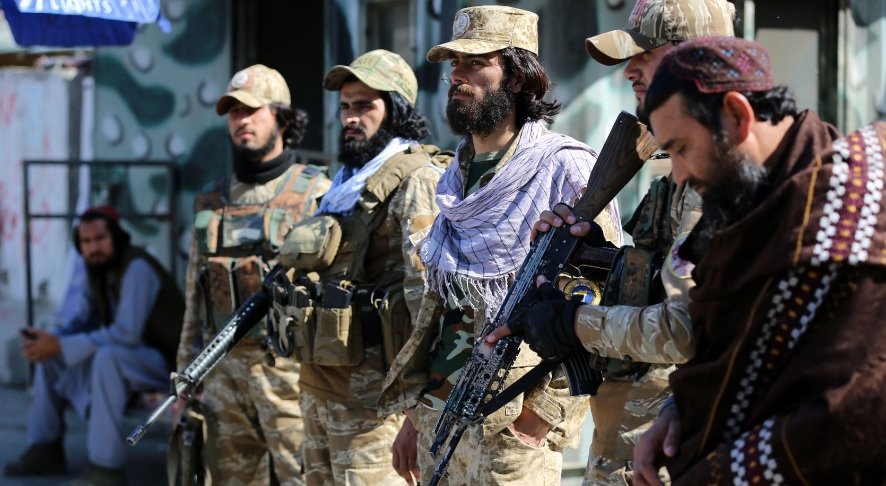
Photo Credit: Reuters
The current FATF record creates another important correction. Pakistan is not on the June 2026 grey list. FATF’s published list of jurisdictions under increased monitoring contains 21 jurisdictions and does not include Pakistan.
The October FATF meeting may therefore provide political context for the timing of the bounty, but there is no public FATF document establishing that Pakistan is currently facing an imminent return to the grey list.
Azhar’s international status is considerably clearer. The UN designated him in 2019, describing him as associated with Al-Qaida through his activities with Jaish-e-Mohammed. The UN record says he founded JeM after his release from Indian custody in 1999 in exchange for 155 hostages from the hijacked Indian Airlines flight IC-814.
The unanswered issue is enforcement.
Pakistan has listed Azhar, prosecuted cases against him and increased the reward for information. Yet Afghanistan denies harbouring him, while India continues to identify him as wanted.
At the same time, terrorism in Pakistan is producing record-level casualties, particularly in the country’s western provinces. The immediate test for Islamabad is therefore not whether another name appears in a Red Book. It is whether terrorist networks and their leadership can actually be located, prosecuted and prevented from operating.
The PKR 7 million bounty puts a price on information about one fugitive. Pakistan’s wider terrorism figures show how much larger the problem has become.
Also read: Appellate Body Members: BRICS Pushes for WTO Revival
Also read: India Refuses Asia Cup Trophy From Mohsin Naqvi After BCCI Warning