
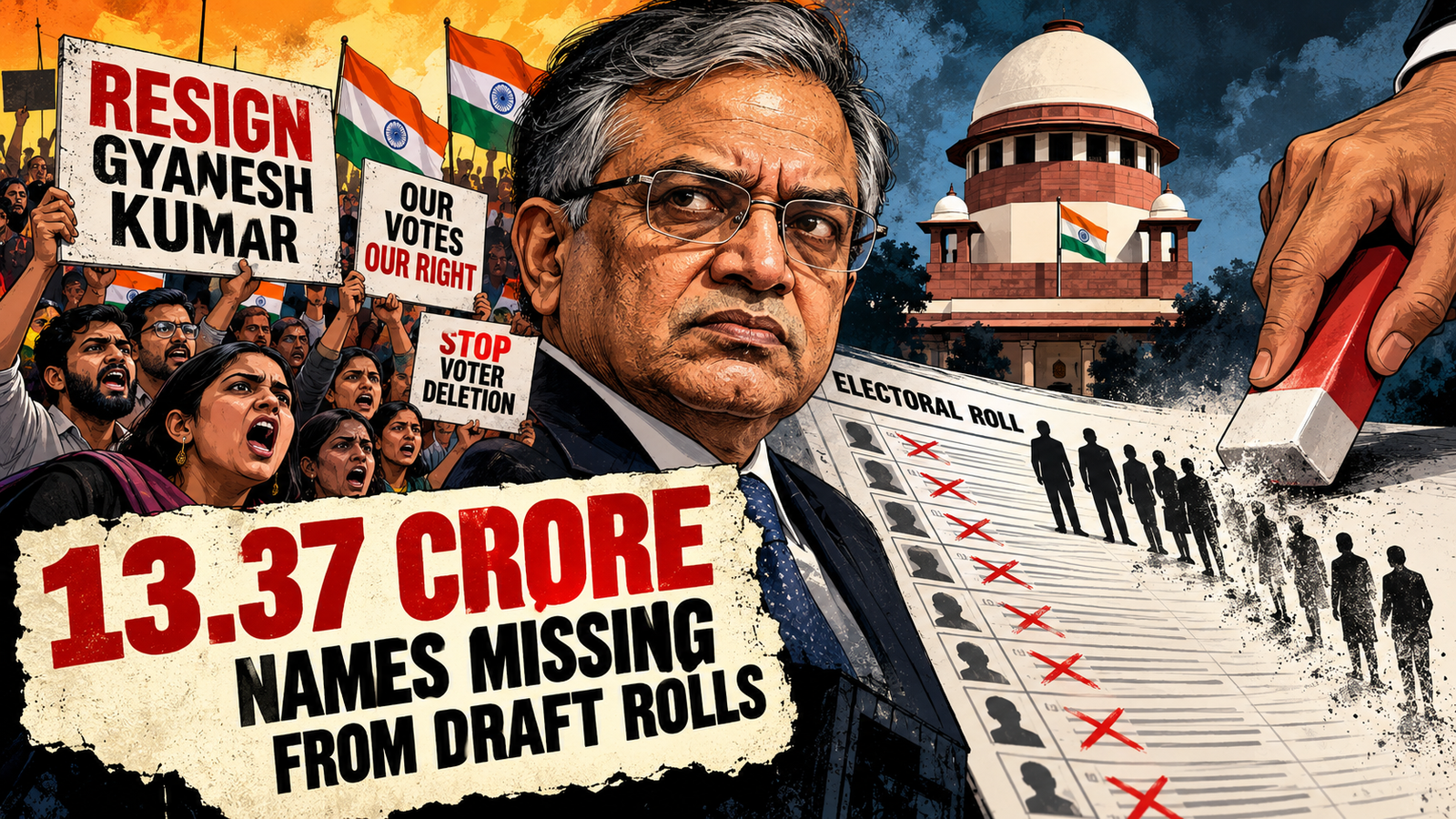
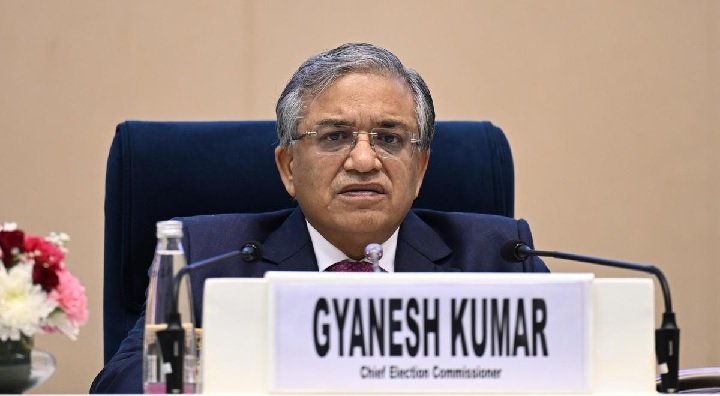
More than 13 crore names were left out of draft electoral rolls during India’s Special Intensive Revision (SIR), the exercise at the centre of protests demanding Chief Election Commissioner Gyanesh Kumar’s resignation. But the number is being weaponised in both directions. It does not mean 13 crore votes were stolen, cancelled after being cast, or secretly switched. It means 13 crore entries were not carried into draft rolls at that stage of the revision. The crucial question is how many belonged to eligible voters, how many were restored and whether the process unlawfully excluded citizens.
Why protesters want Kumar out
The protests intensified in Delhi and Mumbai over the weekend, with demonstrators accusing the Election Commission of manipulating voter rolls to help Prime Minister Narendra Modi’s Bharatiya Janata Party. The Election Commission and BJP reject that allegation.
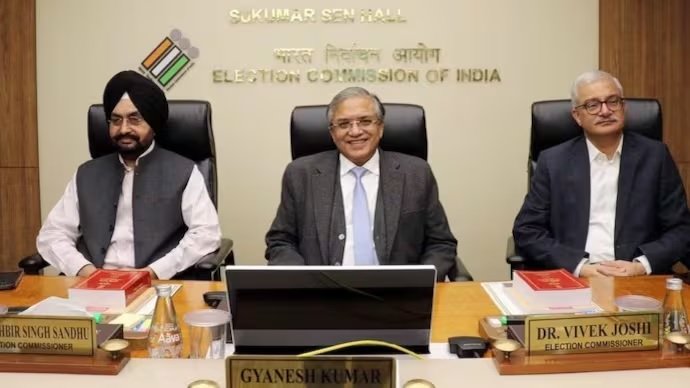
The immediate target is Kumar because the controversy goes beyond the size of the deletions. A reported internal record shows Election Commissioners Sukhbir Singh Sandhu and Vivek Joshi objected at least 14 times over 10 months to decisions and orders they said were issued without their knowledge or recommendation. The objections reportedly touched voter registration, deletion and restoration, appeals, database control and SIR procedures.
Also see: modis-terror-warning-operation-sindoor
Also see: PM Modi Uzbekistan Visit: $5 Billion Trade, Uranium Deal
The Commission disputes the interpretation, It says individual views and suggestions are normal during deliberations and that every final decision over the past year was unanimous and legally authorised.
That dispute is now before the Supreme Court. Petitions filed by Rakesh Kumar Singh and advocate Shailendra Mani Tripathi seek Kumar’s suspension and challenge alleged unilateral decisions, software changes and SIR-related actions. The petitions also ask the court to examine whether powers belonging to the multi-member Commission were exercised individually.
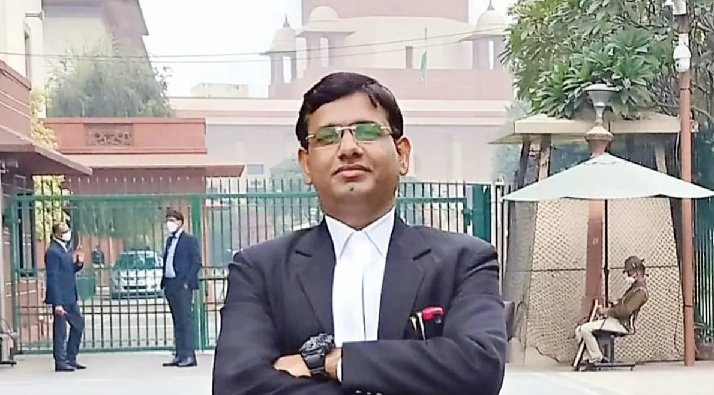
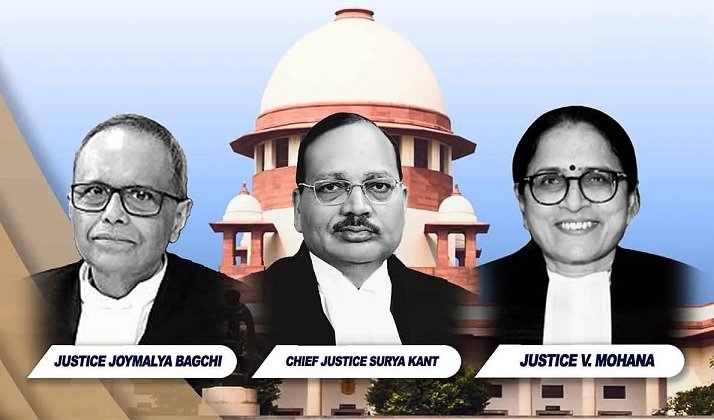
The court is scheduled to hear the matter on October 5 before Chief Justice Surya Kant and Justices Joymalya Bagchi and V Mohana. The hearing is not a finding that Kumar committed wrongdoing.
What happened to the votes?
The biggest number comes from draft-roll exclusions, not counted ballots. Across 30 states and Union territories, about 13.37 crore names were left out of draft lists, according to election data. That figure combines people who may have died, moved, been duplicated, remained untraceable during house-to-house verification, or failed to complete the required enumeration process.
Maharashtra illustrates the problem. Before SIR, the state had about 9.78 crore electors. Its draft roll included about 7.72 crore, leaving 2.07 crore enumeration forms uncollected. Officials classified cases under categories including absent or untraceable voters, people who had permanently shifted, deceased electors and duplicate registrations. The state election machinery has explicitly warned that 2.07 crore is not the final number of deletions.
Delhi’s draft roll provides another measure. Of roughly 1.45 crore electors, 47.56 lakh enumeration forms could not be collected. The election authorities attributed these cases to voters being absent, shifted, dead or duplicated. Claims and objections were allowed before the final roll.
Also see: BAPS No Contact Request Preceded Women Being Removed at Eiffel Tower
Also see: Modi Tells Putin Enough With the ‘Endless War’
The clearest completed example is Bihar. The electorate stood at 7.89 crore before SIR began in June 2025. The draft roll omitted about 65 lakh names. By the final roll in September, the electorate stood at about 7.42 crore. During the process, 21.53 lakh eligible electors were added through Form 6, while 3.66 lakh ineligible electors were removed from the draft.
So the evidence does show mass voter-roll changes. It does not show 13 crore votes being stolen.
Where is the proof?
The strongest evidence against treating the controversy as invented is procedural, not partisan. In September, the Commission instructed 20 states and Union territories where SIR had been completed to conduct a special drive to identify eligible voters left out of the rolls, compare pre- and post-SIR lists and use Form 6 to enrol people wrongly excluded.
There are also concrete cases of problems. In Goa, 97 eligible electors were reported as missing from the final roll; 88 were subsequently restored after submitting Form 6, while three of the remaining cases involved Portuguese passport holders and six involved people living abroad.
In Karnataka, police have registered an FIR over alleged irregularities involving 778 Form 7 applications seeking voter deletions in Bengaluru’s Malleswaram. The complaint alleges false information and an attempt to remove eligible voters. The investigation is ongoing, and the allegations have not been established.
The internal objections are significant because they provide documentary evidence of disagreement inside the institution. But they do not, by themselves, prove that Kumar ordered unlawful deletions or designed SIR to favour the BJP.
There is another critical gap. Electoral rolls do not record a voter’s religion. Claims that SIR specifically targeted Muslims therefore require independent demographic analysis and a transparent methodology. Political speeches alone cannot establish discriminatory intent.
Also see: 51 Indians died after joining the Russian army. New Delhi is still warning people away
Also see: Plane Incident: Flydubai Pilot Attack on FZ1073
The Supreme Court test
The petitions now put several allegations into a legal forum. They challenge changes to Form 6, which is used for voter registration and allege that additional requirements concerning ancestral details and links to previous SIR records were introduced through software without the statutory process required for changing the prescribed form. They also raise issues concerning Goa and alleged appeals in West Bengal.
The Election Commission says the decisions were unanimous and that SIR follows statutory authority, with safeguards for claims, objections, notice and hearings. Its stated objective is to ensure that “No eligible citizen is left out while no ineligible person is included.”
The court’s task is narrower than the political battle. It must examine whether the Commission followed the law and whether its decision-making structure was respected. Until judges rule on those questions, accusations of “vote theft” remain allegations.
What voters actually need to know is simpler. Millions of names have been removed from draft rolls or left out at different stages. Some exclusions are legitimate. Some voters have been restored. Some procedures are being challenged. The final test is not the loudest protest or the largest number. It is whether an eligible citizen can prove entitlement to a vote and whether the state gives that citizen a lawful, workable path back onto the electoral roll. That is the evidence the Supreme Court will have to separate from the politics surrounding Kumar, SIR and India’s national votes.
Also see: Accenture Dividend Income: $163K for a $500 Goal
Also see: Stocks to watch as 12 companies face fresh regulatory and business triggers