

Modi links 2016 strikes to Operation Sindoor in new terror doctrine
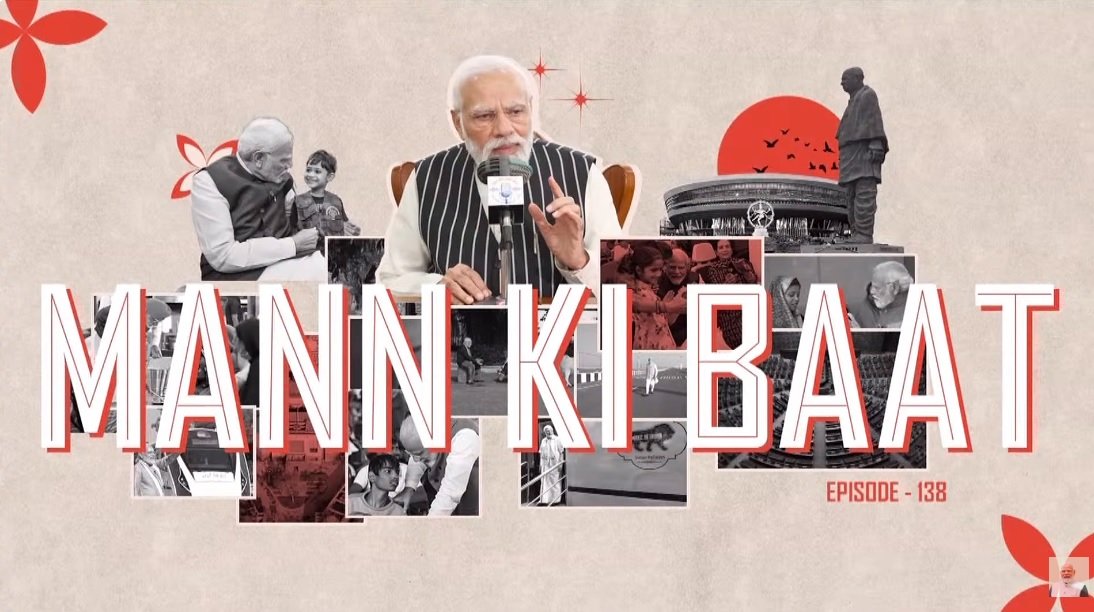
Prime Minister Narendra Modi used his September 27 Mann Ki Baat address to mark ten years since the 2016 surgical strikes, presenting them alongside the Balakot airstrike and Operation Sindoor as evidence of a tougher Indian response to terrorism. The official transcript says the September 28-29, 2016 operation demonstrated “a new example of India’s counter-terrorism policy” and that, over the following decade, India had repeatedly sent a “clear message” that terrorists would face a “befitting response.”
Modi’s decade-long counter-terrorism case
Modi’s account links three military episodes: the 2016 strikes, the February 2019 Balakot airstrike and Operation Sindoor in May 2025. The first two followed major attacks attributed by India to Pakistan-based militant groups; Operation Sindoor followed the April 22, 2025 Pahalgam attack, in which 25 Indian citizens and one Nepali citizen were killed, according to the Defence Ministry’s initial statement.
Read now: Press Information Bureau Government of India Ministry of Defence-2016 Surgical Strikes
Read now: Statement by Foreign Secretary on 26 February 2019 on the Strike on JeM training camp at Balakot
Read now: Press Information Bureau Government of India Ministry of Defence by PIB Delhi OPERATION SINDOOR
For the 2016 operation, India’s Director General of Military Operations said on September 29 that the Army had struck terrorist launch pads along the Line of Control based on “specific and credible inputs” about infiltration plans. Pakistan rejected India’s account, saying there had been cross-border firing rather than the claimed strikes.
Modi’s speech treats the 2016 operation as an established example of India’s counter-terrorism doctrine, while the underlying public record contains competing accounts of what occurred across the Line of Control. The Indian government’s position is documented.
Also see: Jaishankar UN Reply to Pakistan Journalist on Terrorism
Also see: PM Modi Uzbekistan Visit: $5 Billion Trade, Uranium Deal
Operation Sindoor added a larger military test
Operation Sindoor gives the speech a reference point. On May 7, 2025, India’s Defence Ministry said the armed forces had targeted nine sites in Pakistan and Pakistan-occupied Jammu and Kashmir that it described as terrorist infrastructure. The ministry said no Pakistani military facilities were targeted in the initial strikes and called the action “focused, measured and non-escalatory.”
Indian officials later described the operation in broader terms. Defence Minister Rajnath Singh said nine terror camps had been destroyed and terrorists killed. Those casualty and destruction claims are official Indian statements and should be treated as such rather than as independently established totals.
The operation followed the Pahalgam attack, which the Indian government attributed to Pakistan-backed attackers. The Defence Ministry release said the strike was intended to act against infrastructure from which terrorist attacks against India had been planned and directed. The same release recorded the death toll at 26, comprising 25 Indians and one Nepali citizen.
The older record complicates Modi’s political contrast
Modi also contrasted the current “zero-tolerance policy” with the period before 2014, saying that after earlier attacks, demands for action against Pakistan were “often not given due attention” and that authorities simply waited for time to pass.
Official diplomatic records show a more complicated sequence after the November 2008 Mumbai attacks. India handed Pakistan dossiers on the attack on January 5, 2009. In a February 12 response, Pakistan told India that elements in Pakistan had been involved and said it had arrested some people and filed a first information report. India said it would examine Pakistan’s response and share further material where possible.
That record does not establish that earlier governments adopted the same military policy Modi now describes. It does establish that the post-26/11 response included diplomatic pressure, evidence-sharing and demands for action, rather than no response.
The 2016 strikes marked a clear, documented change in public military signalling. The Army publicly announced the operation and described it as action against launch pads. Modi now places that episode at the start of a decade-long chain that includes Balakot and Sindoor.
His September speech therefore does two things at once: commemorates a military operation and frames subsequent strikes as part of a continuing counter-terrorism policy. The official record supports the chronology of those Indian operations.
For readers assessing Modi’s argument, the most concrete evidence is the sequence itself: a publicly announced 2016 operation, a 2019 airstrike at Balakot and nine targets officially announced during Operation Sindoor in 2025. The political conclusion belongs to the government; the documented record shows how that argument has been built.
Also see: Meta India Head Named in FIR Over Morphed PM Modi Posts During CJP Protests
Also see: Why PM Modi Called Japan’s PM Sanae Takaichi ‘My Younger Sister’ During Summit in New Delhi
Also see: International Yoga Day 2026 Draws Thousands Across India as Modi Leads Kolkata Event