
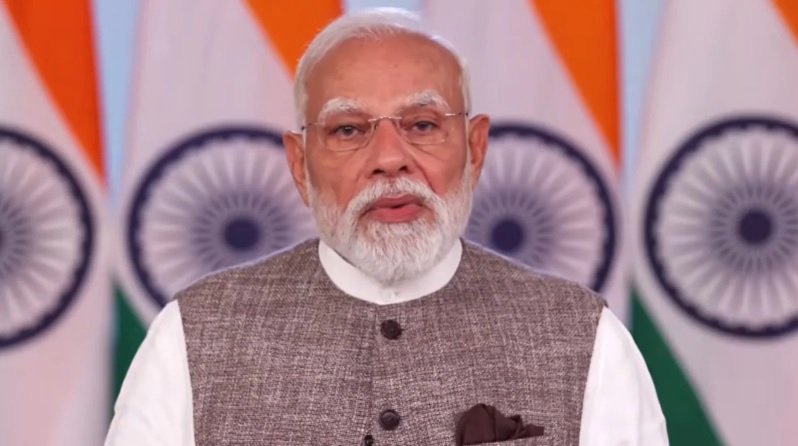
When a long-debated reform collapses in the Parliament, the aftermath is never quiet. Prime Minister Narendra Modi’s national address following the failure of the Women’s Reservation Bill was pointed, emotional and unmistakably political. The Bill proposing 33% reservation for women in the Lok Sabha and state assemblies, fell short of the required 2/3rdmajority. The government secured 298 votes, well below the 352 needed. What followed was clear disappointment and narrative control.
A Speech that Drew Clear Battle Lines
Modi didn’t hedge, he accused opposition parties, including Congress, DMK and TMC of “betraying” women by blocking their empowerment. He went as far as calling the bill’s defeat a “foeticide of democracy”. He also issued an apology to “mothers and sisters”, acknowledging the disappointment surrounding the bill’s failure.
What’s happening around the world : Strait of Hormuz Turns into a Pressure Point as U.S-Iran Tensions
Debate Behind The Women’s Reservation Bill
The purpose was not just about the reservation. It was linked to delimitation: the redrawing of constituencies. Based on population and a possible expansion of the Lok Sabha seats, this connection became a sticking point.
Several opposition leaders argued that trying reservation to delimitation created uncertainty, especially for southern states who were concerned about shifts in representation. These concerns shaped the debate and ultimately influenced the outcome.
A Reformed Narrative that Continues
What Modi’s address did was shift the conversation from a failed vote to a continuing reform agenda. By framing the bill as a necessary step toward inclusive governance, he positioned it as unfinished work and not a closed chapter. And I agree with him!
In his tone, there was no indication of retreat, but it suggested persistence. Even though the numbers didn’t align this time, the social and political weight behind this idea hasn’t gone anywhere and neither will the push to bring it back.
For more updates follow: First Report News