
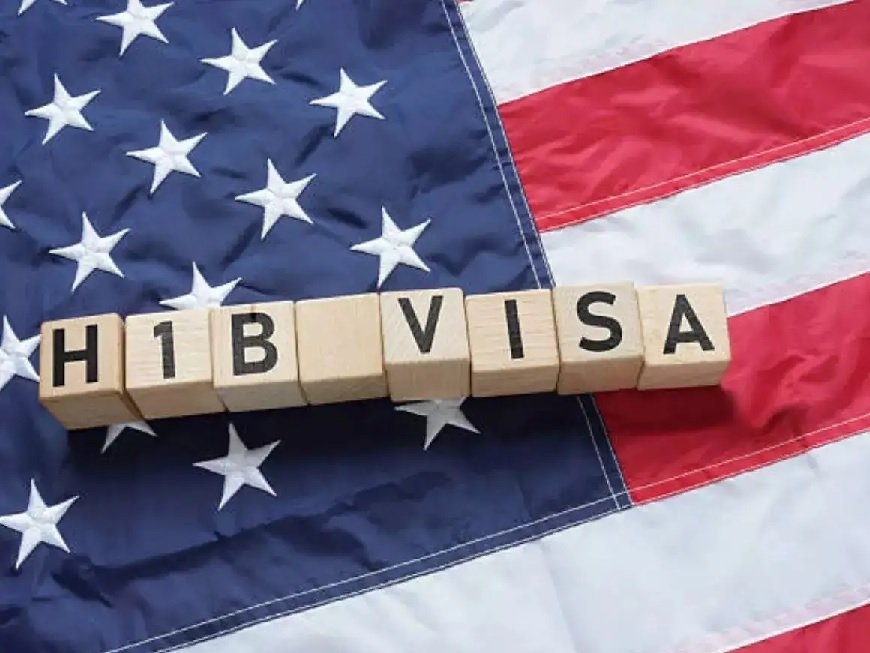
“The proposed H-1B visa freeze would temporarily halt new applications for three years.”
Washington, DC – A controversial immigration bill has been introduced in the U.S Congress on April 22, 2026, which proposes a sweeping overhaul of the H-1B visa system.
It includes:
1. 3-year freeze on the new visas
2. A minimal salary threshold of $200,000
Bill Seeks Structural Reset of Visa System
The legislation, titled the “End H-1B Abuse Act of 2026”, was introduced by Representative Eli Crane and co-sponsored by lawmakers including Paul Gosar and Brandon Gill.
The bill proposes:
1. Cutting the annual visa cap from 65,000 to 25,000, eliminating exemptions and replacing the lottery system with a wage-based selection model.
2. The bill also mandates that employers prove no qualified American worker is available, before hiring foreign talent and confirm they have not conducted layoffs.
Crane said, “The federal governments should work for hardworking citizens and not the profit margins of massive corporations”.
What’s happening around the world: Strait of Hormuz Crisis: US-Iran Tensions Disrupt Global Oil Trade
Also see: Indian Rupee Falls Against US Dollar as Oil Prices, Foreign Fund Outflows Pressure the Currency
Also see: Sonam Wangchuk to Join June 6 Protest Seeking Dharmendra Pradhan’s Resignation
Also see: Strait of Hormuz Crisis: US-Iran Tensions Disrupt Global Oil Trade
Also see: Women’s Reservation Delimitation Bill 2026 Sparks Clash
Also see: PM Kisan Status Check 2026: 23rd Installment & Eligibility
Ban on OPT, Dependents and Green Cards
Beyond hiring restrictions, this proposal includes eliminating the Optional Practical Training (OPT) programme, banning the H-1B holders from bringing dependents and preventing them from transitioning to permanent residency. It also prohibits the federal agencies from employing nonimmigration workers and bars third-party staffing firms from using H-1B employees.
Gosar stated, “The H-1B programme has been hijacked to replace American workers with cheaper foreign labour”.
Also see: Indian Army Uniform 2026 Introduces Major Dress Reforms
Also see: France Economic Slowdown: Job Market Concerns & Reform Urgency
Also see: Dalal Street Selloff Fears Rise After Iran Oil Shock
Also see: World Cup 2026 Roundup: Six Matches Produce Historic Milestones
Part of Broader Immigration Crackdown
The proposal is a part of a wider push by Republican lawmakers to tighten employment based immigration. Similar bills, including the PAUSE Act and Assimilation Act, have also targeted the H-1B programme in recent months. The current H-1B system, created under a 1990 law, allows U.S companies to hire foreign professionals in sectors like technology, engineering and healthcare.
The immigration attorney Rajiv Khanna warned the new proposal could “effectively dismantle the skilled worker pipeline” relied on for decades.
Impact on Indian Workforce
Indian professionals who make up the largest share of H-1B visa holders are expected to face the greatest impact:
1. The $200,000 salary threshold would exclude many mid-level roles.
2. The removal of OPT disrupts the student-to-work pathway used by thousands each year.
The bill has been introduced but not yet passed, setting up a continued debate in Congress over the future of skilled immigration in the United States.
Also see: G7 Summit 2026: Modi Calls for Trust and Cooperation as Global Leaders Meet in France
Also see: India Slovakia Comprehensive Partnership Unveiled
Also see: US Strike on Tanker Carrying Indian Crew Sparks Diplomatic Clash Near Strait of Hormuz