
The Strait of Hormuz crisis is making the world’s most important oil chokepoint look fragile again. Over the past 48 hours, the Strait of Hormuz has shifted from a tense corridor to something closer to a geopolitical gamble. Here all the mixed signals, military posturing, and nervous shipping companies are colliding in real time.
A Strait That’s “Open,” But Not Really
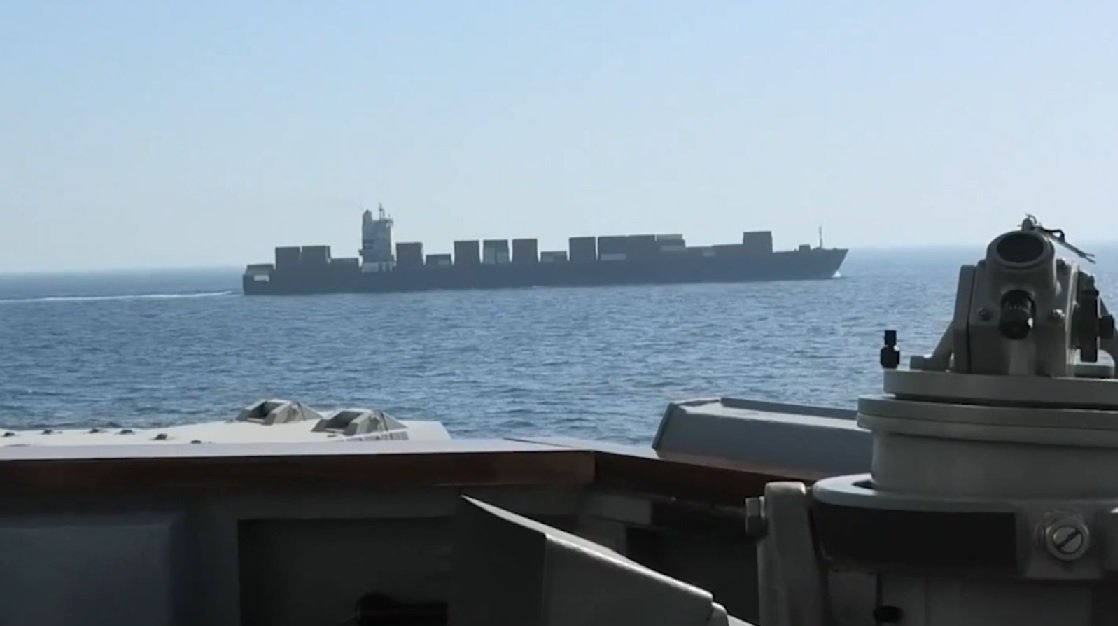
Officials from Iran and the U.S. have both suggested that the strait remains open. But on the water, reality looks different. According to The Wall Street Journal live coverage, several tankers “made U-turns after heading toward the exit,” a small but telling detail that signals just how uneasy things are.
This isn’t a theoretical disruption. It’s happening. About 20% of global oil flows through this narrow stretch, as noted by the U.S. Energy Information Administration. When ships hesitate, markets notice almost instantly.
What’s happening around the globe: Pakistan $3 Billion Saudi Loan: Survival or Debt Trap
Seizures, Accusations, and Escalation
Then came the sharper edge. Former U.S. President Donald Trump claimed the U.S. had seized an Iranian vessel attempting to bypass restrictions, calling it enforcement. Tehran fired back, labelling it “piracy,” according to reporting by The Washington Post.
That word “piracy” matters. It’s not just rhetoric; it reframes the conflict from enforcement to illegitimacy and raises the stakes diplomatically.
Inside Iran, there are signs of division. Analysts cited by WSJ point to the competing pressures between negotiators and hardliners, particularly factions linked to the Revolutionary Guard. That internal friction adds unpredictability to an already volatile situation.
Why This Moment Feels Different
There is always tension in the Gulf but this definitely feels less contained. Shipping disruptions are quite visible and military actions are direct. And neither side appears fully in control of the narrative or the outcome.
The International Energy Agency has previously warned that even short term disruption in Hormuz can trigger price spikes and supply shocks. We are already seeing early signs of that anxiety ripple throughout the energy markets.
What’s striking is this contradiction: both sides signalling openness while quietly tightening control. It’s a kind of a “managed instability”, until it isn’t.
For now, the strait remains technically open. Functionally, though, it’s something else entirely. A narrow passage where hesitation might be the most honest signal of all.
Follow for more updates: First Report News