
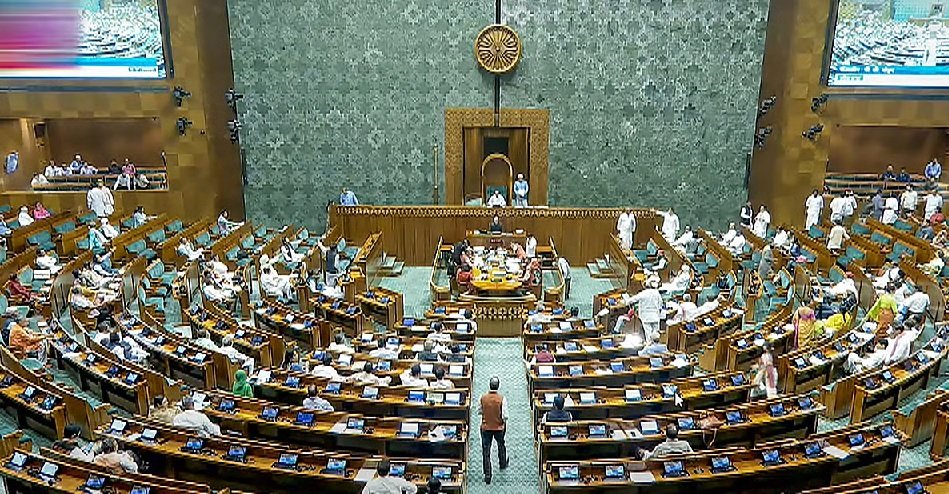
“India’s women’s reservation delimitation bill 2026 has triggered a heated debate in Parliament.”
A Heated Parliament, A Bigger Agenda
New Delhi saw drama this week as the Centre pushed 3 major bills in a special Parliament session, linking women’s reservation, delimitation and expansion of the Lok Sabha. The proposals include the Constitution (131st Amendment) Bill, 2026, the Delimitation Bill and changes to the Union Territory laws. At the heart of it, reserving 33% of the seats for women, potentially from the year 2029, for general elections.
Find out more: Special Parliament session Live: Oppn huddle at Kharge’s residence ahead of vote on women’s quota, delimitation
The Women’s Reservation Delimitation Bill 2026 Debate
The government proposes increasing Lok Sabha strength from 543 to up to 850 seats, with around 272 seats reserved for women. Union Law Minister Arjun Ram Meghwal said, “272 seats out of 815…is the simple formula”.
The bill was introduced with 251 MPs supporting and 185 opposing it, clearly reflecting a divided House. Globally, women hold just 14% of seats in India’s Lok Sabha, making the proposed jump to 33% very significant.
What’s happening around the globe: Pakistan $3 Billion Saudi Loan: Survival or Debt Trap
The Real Flashpoint: Delimitation
The fiercest opposition isn’t about women’s reservation, it’s about delimitation.
Congress MP Shashi Tharoor questioned the linkage directly, “We have no problem with women’s reservation, but why delimitation?”.
Meanwhile, Akhilesh Yadav demanded a Census first, asking “Why is the Centre rushing, Start with the Census”.
Asaduddin Owaisi was even sharper and warned the move could, “rule the south” and distort federal balance”.
Opposition leaders argue that redrawing constituencies based on population could shift power toward northern states, which could reduce southern influence.
Modi’s Pitch: “Historic Opportunity”
Prime Minister Narendra Modi framed the reform as transformative: “It is their right and we have stopped it for decades”. He also assured Parliament, “No state will be discriminated against”. Calling it one of the most significant reforms, the government insists delimitation is necessary to implement the quota fairly.
The Bottom Line
The bills promised gender parity but delayed it until after delimitation and Census. Critics call it a “backdoor political exercise”, while the government calls it democratic overhaul. But one thing is clear, this is not just a women’s reservation bill, it is a high stake reset of India’s electoral power structure.
For more updates follow: First Report News