

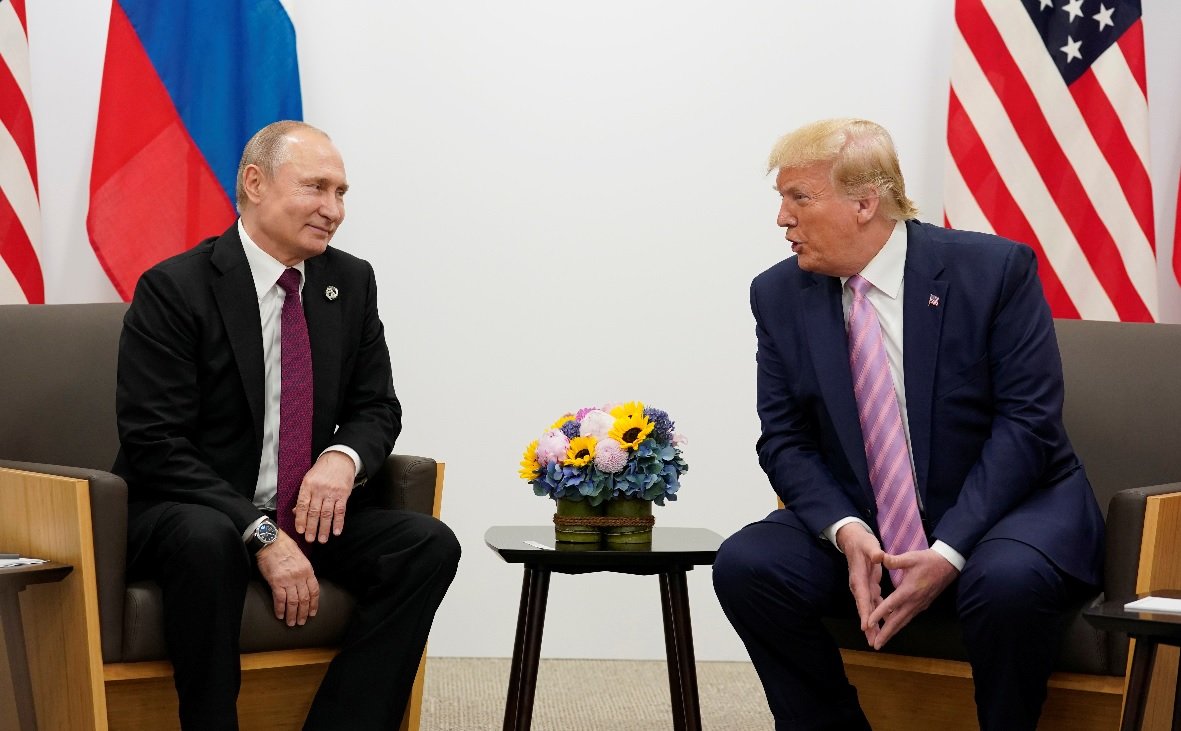
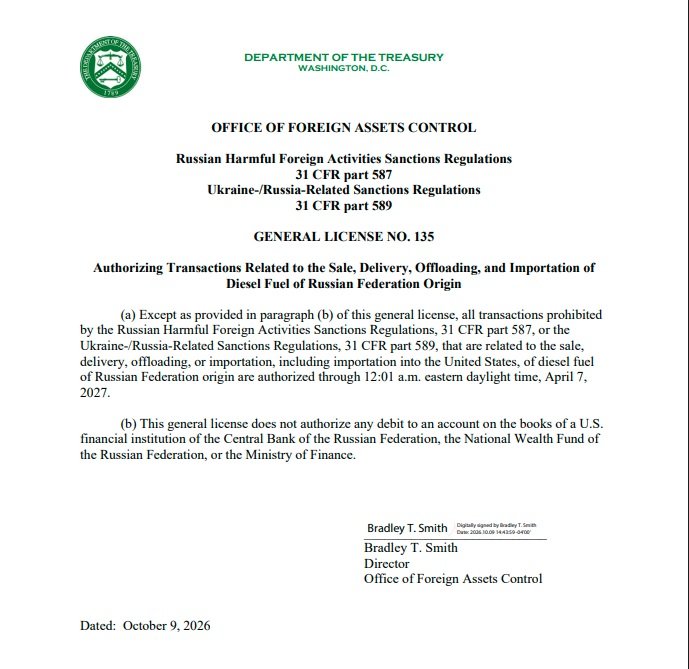
Donald Trump has opened a route for Russian diesel into the United States while his administration threatens other countries with tariffs for buying Russian energy. On October 9, the Treasury Department’s Office of Foreign Assets Control issued General License 135, authorizing specified transactions involving Russian-origin diesel through April 7, 2027. Trump says the fuel will help bring down prices. The move has triggered a legal dispute and angered Ukraine: Russian fuel is treated as a problem when other countries buy it, but as a remedy when American consumers face high prices.
The authorization followed a phone call between Trump and Russian President Vladimir Putin. Trump announced that Russia would supply more than 300,000 tons immediately, 500,000 tons in November, one million tons “immediately thereafter” and another three million “within a short period of time.”
A sanctions licence collides with a federal import ban
The key document is Treasury’s licence. General License 135 permits otherwise restricted transactions involving the sale, delivery, offloading and importation of Russian-origin diesel. It bars debits to U.S. financial accounts belonging to Russia’s Central Bank, National Wealth Fund or Ministry of Finance.
Also see: Tariff: India Chose Russian Oil. Now America Can Hit Its Exports
Also see: Trump’s Green Card Crackdown Accuses Tech Giants, Shows No Proof
But a separate law complicates the administration’s move. Congress passed the Ending Importation of Russian Oil Act in April 2022, banning imports of Russian energy products classified under Chapter 27 of the U.S. tariff schedule. The statute gives a president a route to terminate that ban, but requires consultation with specified congressional committees, a written report and a certification that includes conditions concerning Russia’s withdrawal from Ukraine and the end of hostilities. Termination generally takes effect 90 days after certification, unless Congress disapproves it.
General License 135 does not itself state that the statutory ban has been terminated. On October 11, a bipartisan group of seven senators: Republicans Susan Collins, Lisa Murkowski, Thom Tillis and John Curtis, alongside Democrats Jeanne Shaheen, Richard Blumenthal and Ron Wyden, called on Trump to reverse course, arguing that the administration had bypassed the law’s consultation and reporting requirements.
Treasury Secretary Scott Bessent defended the administration’s position, saying it would use “all the legal authorities we have.” Tillis said there was a “legitimate case” that the president was “not following the law.” The statute’s conditions were tied to a Russian agreement to withdraw forces and stop hostilities accepted by Ukraine, as well as other security assurances.
Trump’s price argument faces a supply test
Trump framed the deal as relief for households and businesses. “Lower prices for Americans, especially our Great Farmers, Ranchers, and Truckers, is my Greatest Priority,” he wrote. Pressure is real: the average U.S. diesel price reached $6.28 a gallon, according to AAA, after hitting a reported record $6.52 on September 22. Fuel costs hit trucking, farming and freight ahead of November’s congressional elections.
Also see: Xi and Trump: Three-Day Summit Ends With a Truce, No Deal
Also see: Strait of Hormuz: US Strikes Iran, Trump Warns Tehran
Volumes do not prove prices will fall. Analysts said the shipments were unlikely to substantially change U.S. prices, which depend on supply, refining, distribution and global markets. One analyst described the move as “shuffling deck chairs on the Titanic”; another warned that Russian fuel diverted to the United States could simply leave existing buyers seeking supplies elsewhere.
Delivery is uncertain. Russian authorities had restricted diesel exports amid domestic demand, while Ukrainian strikes damaged Russian refineries. Russia’s deputy prime minister, Alexander Novak, said Moscow was starting to lift restrictions on diesel exports ahead of schedule and that supplies to the United States could begin this month.
Moscow gets a potential buyer as Ukraine objects
Putin confirmed Russia’s readiness to supply oil and oil products to American and global markets, saying he was confident this would positively affect the global economy.
President Volodymyr Zelenskyy called the decision “a weak decision, unfortunately, a weak decision by strong partners.” He warned that allowing Russian petroleum-product sales was an investment in a war that should be ended, not prolonged. The Ukrainian government argues that additional energy revenue could help Moscow sustain its invasion. Russia’s potential earnings have not been disclosed.
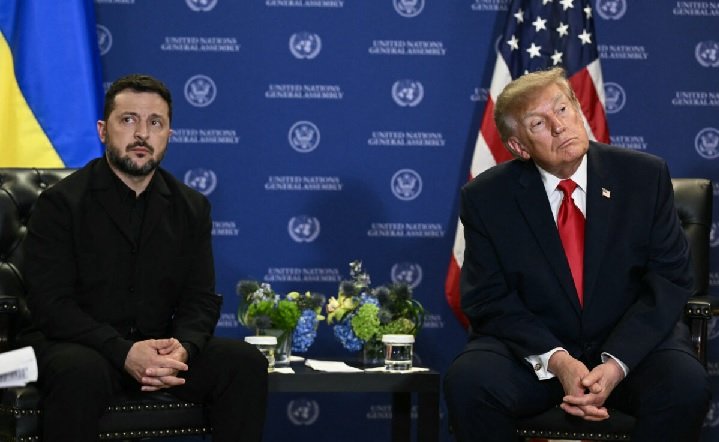
The policy also sits awkwardly beside Washington’s pressure on other buyers of Russian energy. The administration has backed the threat of tariffs as high as 100% against countries that continue purchasing Russian oil and gas, seeking to squeeze Moscow’s revenue. The diesel exemption is narrower than a general sanctions rollback, but gives Russian fuel a U.S. route while Washington urges other governments to cut purchases.
Trump also announced an “energy ceasefire” between Ukraine and Russia on October 11, but neither government had confirmed its terms and Zelenskyy said he was awaiting details. The test is documentary: the White House and Treasury must explain how the licence fits the 2022 statute and provide buyer, payment, cargo and customs records.
Also see: Elon Musk Accuses India’s Billionaire Elite of Keeping Starlink Out
Also see: Riyadh Airport Attack Kills Three as Houthi Strikes Escalate