
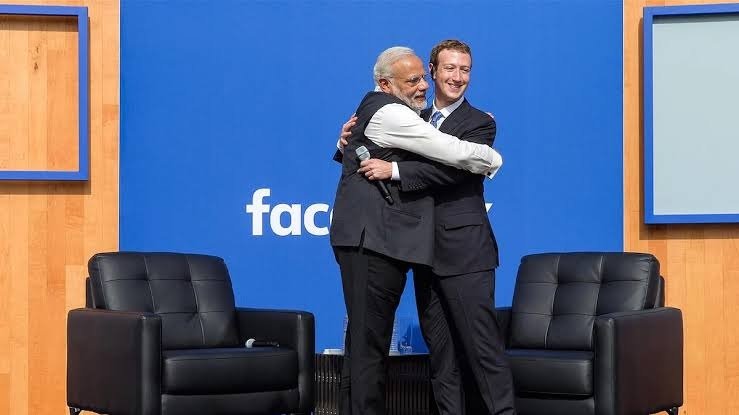
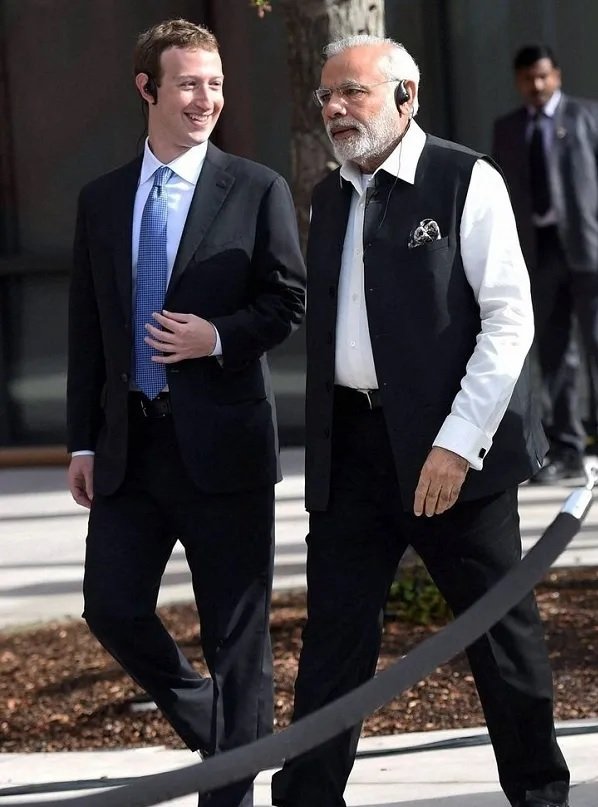
Mark Zuckerberg is facing one of the sharpest public rebukes yet from Indian lawmakers after Parliament’s communications panel demanded that the Meta chief personally apologise for the temporary removal of Prime Minister Narendra Modi’s Facebook video, escalating what the company has described as a technical mistake into a wider battle over platform accountability in India.
The controversy began after a video posted by Prime Minister Modi on July 23 briefly disappeared from Facebook. The post featured the Prime Minister addressing young Indians on the government’s response to the NEET paper leak controversy and outlining plans for tougher anti-paper leak legislation. Before the content was restored, users attempting to view it were shown a message saying the media was unavailable in India following a legal request. Hours later, Meta acknowledged the mistake and restored the video.
“The content was removed in error and has since been restored“, a Meta spokesperson said in a statement after the incident. The company apologised and attributed the removal to a technical glitch, but the explanation did little to calm concerns inside the Indian government.
Instead, the issue moved quickly from a platform error to Parliament.
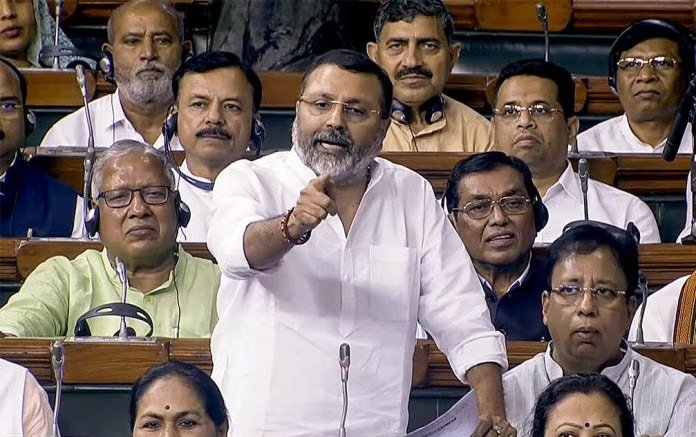
On August 4, the Parliamentary Standing Committee on Communications and Information Technology, chaired by BJP MP Nishikant Dubey, said Meta’s apology was not enough. Dubey demanded that Zuckerberg himself apologise and warned that the company could face scrutiny over its safe harbour protections if lawmakers remained dissatisfied with its response.
Also see: Women’s Reservation Delimitation Bill 2026 Sparks Clash
Also see: Meta India Head Named in FIR Over Morphed PM Modi Posts During CJP Protests
Parliament Wants Answers Beyond a Technical Error
The committee’s position reflects growing frustration in New Delhi with how global technology companies explain major moderation failures.
According to members present at the meeting, lawmakers questioned Meta representatives not only about the removal of the Prime Minister’s video but also about recommendation algorithms, political neutrality and the company’s broader content moderation practices. Child safety and online platform responsibility were also discussed during the hearing, indicating that Parliament viewed the incident as part of a much wider examination of Meta’s operations in India.
One issue continues to dominate the discussion. If the removal resulted from a technical error, why did Facebook initially display a notice saying the content had been withheld because of a legal request?
Meta has not publicly answered that question. The company has released no engineering report explaining what triggered the removal, whether the action originated from an automated moderation system or human review, or why users were shown language typically associated with legal compliance orders.
That missing explanation has become central to the government’s investigation.
The Ministry of Electronics and Information Technology (MeitY) summoned Meta executives shortly after the incident and sought a detailed explanation of both the technical failure and the sequence of events that led to the restriction. Officials indicated that the government considered the matter serious because it involved the official communication of the country’s Prime Minister.
Also see: Ali Khamenei Funeral: Granddaughter’s Coffin Draws Attention
India’s Biggest Digital Market Meets Growing Regulatory Pressure
The dispute comes at a difficult time for Zuckerberg’s company in India. Facebook has roughly 362 million daily active users in India, Instagram has around 501 million, while WhatsApp reaches approximately 837 million daily active users, making India Meta’s largest national market across several of its products.
Those numbers explain why every regulatory dispute in India carries weight far beyond the country’s borders.
Meta has spent years expanding digital commerce, creator tools and artificial intelligence products in India while simultaneously navigating increasingly strict digital regulations. Since the introduction of the Information Technology (Intermediary Guidelines and Digital Media Ethics Code) Rules in 2021, the government has steadily tightened compliance expectations for large online platforms.
The current dispute adds another layer to that relationship.
Parliamentary committee chairman Nishikant Dubey argued that repeated concerns over platform governance require stronger accountability from senior executives. His remarks also revived discussion around Section 79 of the Information Technology Act, commonly referred to as safe harbour protection, which shields intermediaries from liability for user-generated content when they comply with statutory obligations.
While a parliamentary committee cannot revoke those protections on its own, lawmakers can recommend policy changes that shape future government action.
Meta Already Faces Another India Investigation
The parliamentary hearing is not the only regulatory challenge confronting Zuckerberg’s company.
Just days before the committee meeting, Hyderabad police registered a case naming Meta India head Arun Srinivas over separate allegations involving Facebook videos targeting Prime Minister Modi during protests linked to the NEET examination controversy. Authorities are preparing further notices as part of that investigation, although legal experts noted that establishing personal liability against company executives generally requires evidence of direct involvement.
That separate case has added to growing pressure on Meta’s India leadership.
Over the past several years, the company has repeatedly faced criticism from Indian authorities over misinformation, election-related content, online safety and compliance with intermediary rules. WhatsApp’s legal challenge to traceability requirements, disputes over government takedown requests and debates surrounding AI-generated political content have all contributed to an increasingly complex relationship between Meta and the Indian government.
The Modi video controversy has now become the latest chapter. Unlike previous disputes centred on misinformation or harmful content, this case focuses on the reliability of Meta’s moderation systems when handling official government communication.
For lawmakers, the temporary removal itself is only part of the story. The larger concern is whether platforms with hundreds of millions of Indian users can clearly explain significant moderation failures when they occur.
For Zuckerberg, the demand for a personal apology reflects a broader global trend in which governments increasingly expect chief executives, not just regional teams, to answer for operational decisions made inside the world’s largest technology companies.
Also see: Nepal PM’s ‘Encroachment’ Remark Sparks Political Storm Over India Border Dispute
Also see: India Rebukes Pakistan at UN, Reasserts Kashmir Claim Amid Fresh Row Over Gilgit-Baltistan Elections