
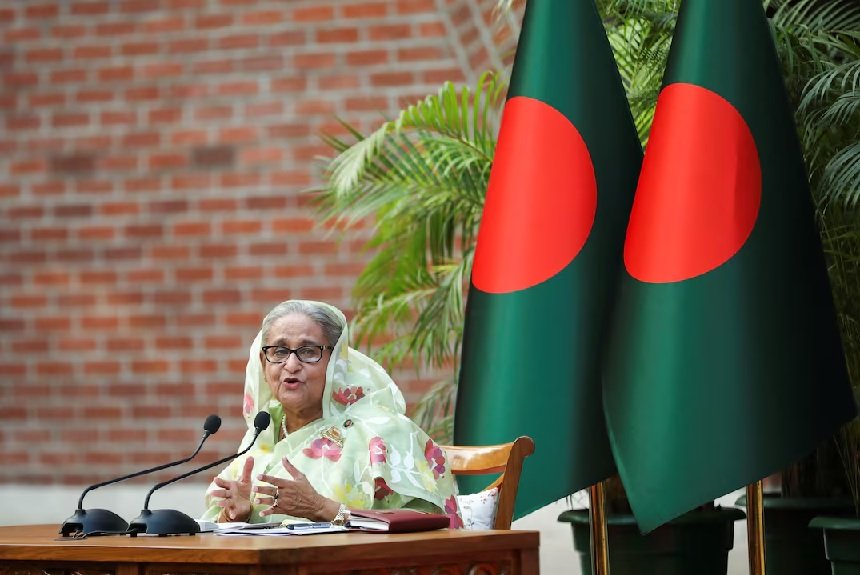
Former Bangladesh Prime Minister Sheikh Hasina has triggered a fresh diplomatic confrontation between Dhaka and New Delhi after making her first public media appearance since fleeing Bangladesh two years ago, prompting sharp criticism from the Bangladeshi government and renewed questions over her legal future in India.
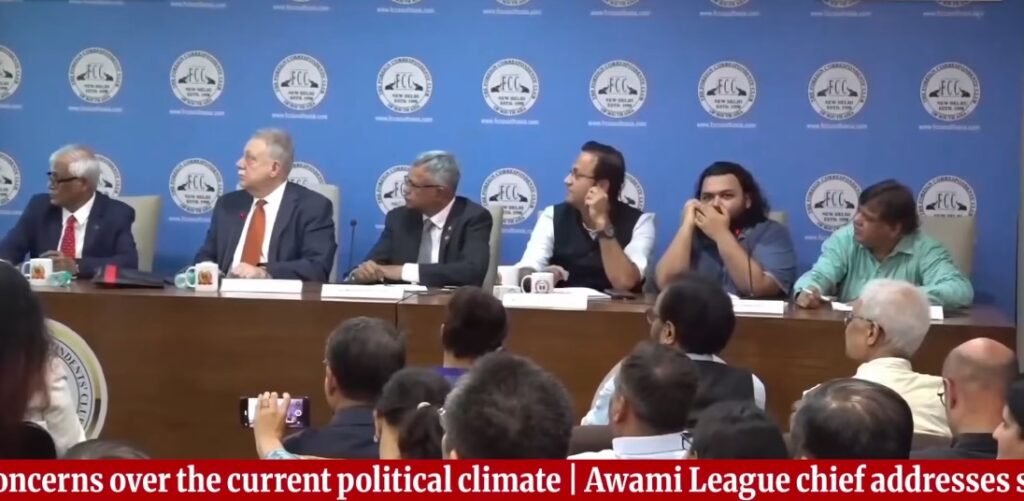
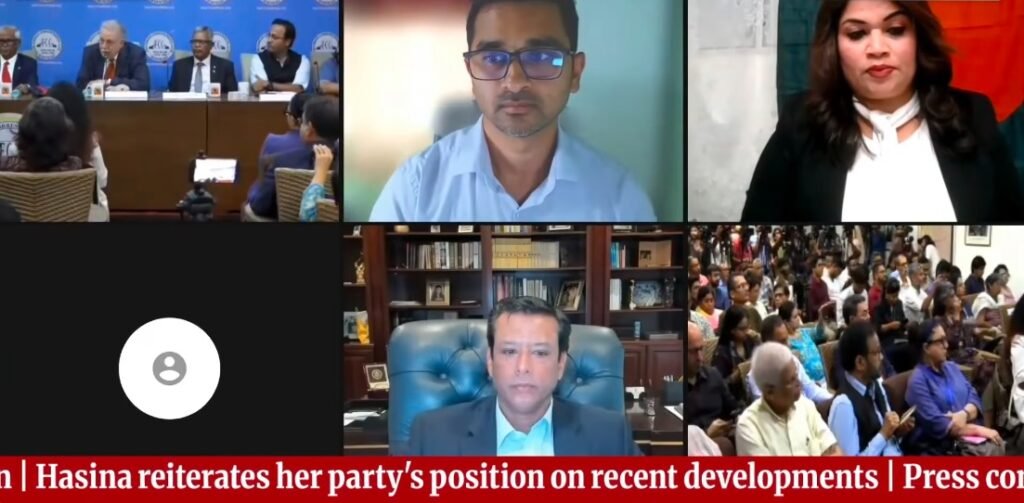
Hasina addressed journalists through an audio-only virtual press conference hosted by the Foreign Correspondents’ Club in New Delhi on August 5, her first interaction with the media since leaving Dhaka during the mass anti-government protests of August 2024. Within hours, Bangladesh’s Ministry of Foreign Affairs issued a strongly worded statement expressing “deep regret” over the event, while India moved quickly to distance itself from the gathering, insisting it had neither organized nor endorsed it.
The dispute comes at a delicate moment in India-Bangladesh relations. Dhaka has repeatedly sought Hasina’s extradition after she was sentenced to death in absentia by Bangladesh’s International Crimes Tribunal, while New Delhi has continued to describe the matter as one for legal consideration under the India-Bangladesh Extradition Treaty signed in 2013.
Also see: Nepal PM’s ‘Encroachment’ Remark Sparks Political Storm Over India Border Dispute
Also see: Marco Rubio India Visit Begins in Kolkata Ahead of Quad Talks
Bangladesh calls event an affront to sovereignty
Bangladesh’s Foreign Ministry said it had warned India in advance about the possible diplomatic consequences of allowing the event to take place.
“Dhaka deeply regrets that in spite of concerns conveyed a priori to the Government of India about the likely ramifications of this event on the reset of our bilateral relations, this public event was permitted to be held,” the ministry said.
The statement accused Hasina of making political remarks from Indian territory and argued that allowing the event had damaged public sentiment inside Bangladesh. It also described her comments as an “affront” to the country’s sovereignty and an insult to those who died during what Bangladesh now officially refers to as The July Revolution.
Dhaka reiterated that its repeated requests to extradite Sheikh Hasina “have not yet elicited a response” from India. Officials also said the public appearance could prove “detrimental to the development of harmonious bilateral relations” between the neighbouring countries.
Bangladesh has consistently maintained that the extradition request is based on criminal proceedings rather than political considerations. The government says Hasina faces accountability for alleged crimes against humanity linked to the deadly crackdown on student-led protests in 2024.
Also see: US Army Chief Forced Out Amid War: Pentagon Alarm
Also see: Sanjay Malhotra RBI Strategy: Powering India’s Economic Comeback
Also see: The Morale of the German Investor Surges as the Change in Fiscal Policy Sparks Optimism
India says it had no role in the conference
India rejected suggestions that the Delhi event reflected any official position.
Responding during the Ministry of External Affairs’ regular media briefing, spokesperson Randhir Jaiswal said the conference was entirely a private initiative.
“The interaction is being organised by a private media entity. The government has no involvement whatsoever in it, neither does it endorse any views that may be expressed at the forum,” Jaiswal said.
The clarification appeared aimed at limiting diplomatic fallout while preserving India’s position that Hasina’s continued stay in the country and Bangladesh’s extradition request remain legal matters rather than political ones.
Indian officials have repeatedly avoided commenting on the merits of the criminal case against Hasina, instead referring to legal procedures under the bilateral extradition treaty.
Sheikh Hasina vows political return
Although participants in New Delhi could only hear her voice, Hasina used the event to make several political statements.
She declared that she intended to return to Bangladesh in December to put the country “on the right track.” She also called for restrictions on the Awami League to be lifted and urged the release of political prisoners.
Her remarks marked the first time she had spoken publicly since leaving Bangladesh on August 5, 2024, when weeks of nationwide protests forced her government from power.
Since then, Bangladesh’s political landscape has changed dramatically. Following the collapse of the Awami League government, an interim administration led by Muhammad Yunus oversaw the transition before parliamentary elections brought Tarique Rahman to power. Bangladesh later opened multiple criminal investigations into former Awami League leaders, and in November 2025 Hasina was sentenced to death in absentia by the International Crimes Tribunal.
Hasina, however, has consistently rejected the charges, arguing they are politically motivated.
Also see: Meta India Head Named in FIR Over Morphed PM Modi Posts During CJP Protests
Also see: World Cup 2026 Roundup: Six Matches Produce Historic Milestones
Also see: Quad Ministers Meeting Held in New Delhi Amid China Tensions
Violence reported after conference
The political fallout extended beyond diplomatic exchanges.
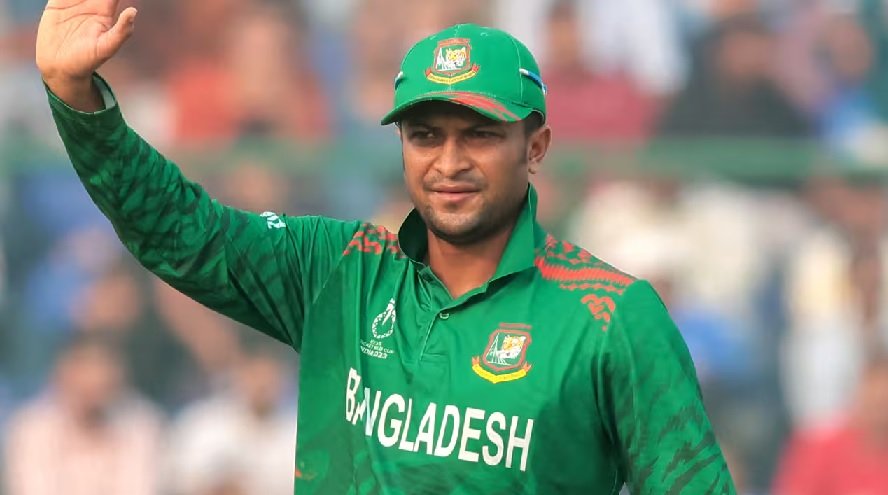
Former Bangladesh cricket captain and Awami League politician Shakib Al Hasan, who attended the Delhi press conference, was reportedly targeted in an attack at his residence in Magura just hours later.
According to police quoted by The Daily Star, unidentified individuals threw brick fragments at the property, damaged windows and attempted to set the house on fire at around 9:00 p.m. Local police chief Md Abdullah Al Mamun said security around the residence had been tightened while investigators attempted to identify those responsible.
The Awami League condemned the attack and alleged it reflected growing intimidation against party members. In a statement shared on social media, the party claimed political opponents had threatened media organizations ahead of the press conference and accused rival groups of attempting to silence coverage of the event.
Shakib, once one of Bangladesh’s most celebrated cricketers, has remained outside the country since the fall of the Awami League government. He also faces legal proceedings in Bangladesh and is among 147 individuals named in an alleged murder case connected to the political unrest.
A relationship under renewed strain
The dispute arrives despite recent efforts to stabilize India-Bangladesh ties. India was represented by Lok Sabha Speaker Om Birla and Foreign Secretary Vikram Misri during the inauguration of Prime Minister Tarique Rahman in February 2026. Bangladesh Foreign Minister Khalilur Rahman also visited India in April in what officials described as an effort to repair relations after more than 18 months of diplomatic tension.
Those efforts now face another test.
The United Nations has estimated that nearly 1,400 people were killed during the 2024 unrest that ended Hasina’s 15-year rule, making accountability for the violence one of Bangladesh’s defining political issues. At the same time, India’s handling of Hasina’s presence on its soil continues to place New Delhi in a difficult position as it balances legal obligations, regional diplomacy and one of South Asia’s most sensitive bilateral relationships.
Also see: US Job Market Balances Stability and Uncertainty as Government Cuts Bite
Also see: The Global Economy Faces a 2025 Slowdown, But India’s Growth Remains Strong
Also see: Former Bangladesh PM Sheikh Hasina addresses virtual press conference from New Delhi