

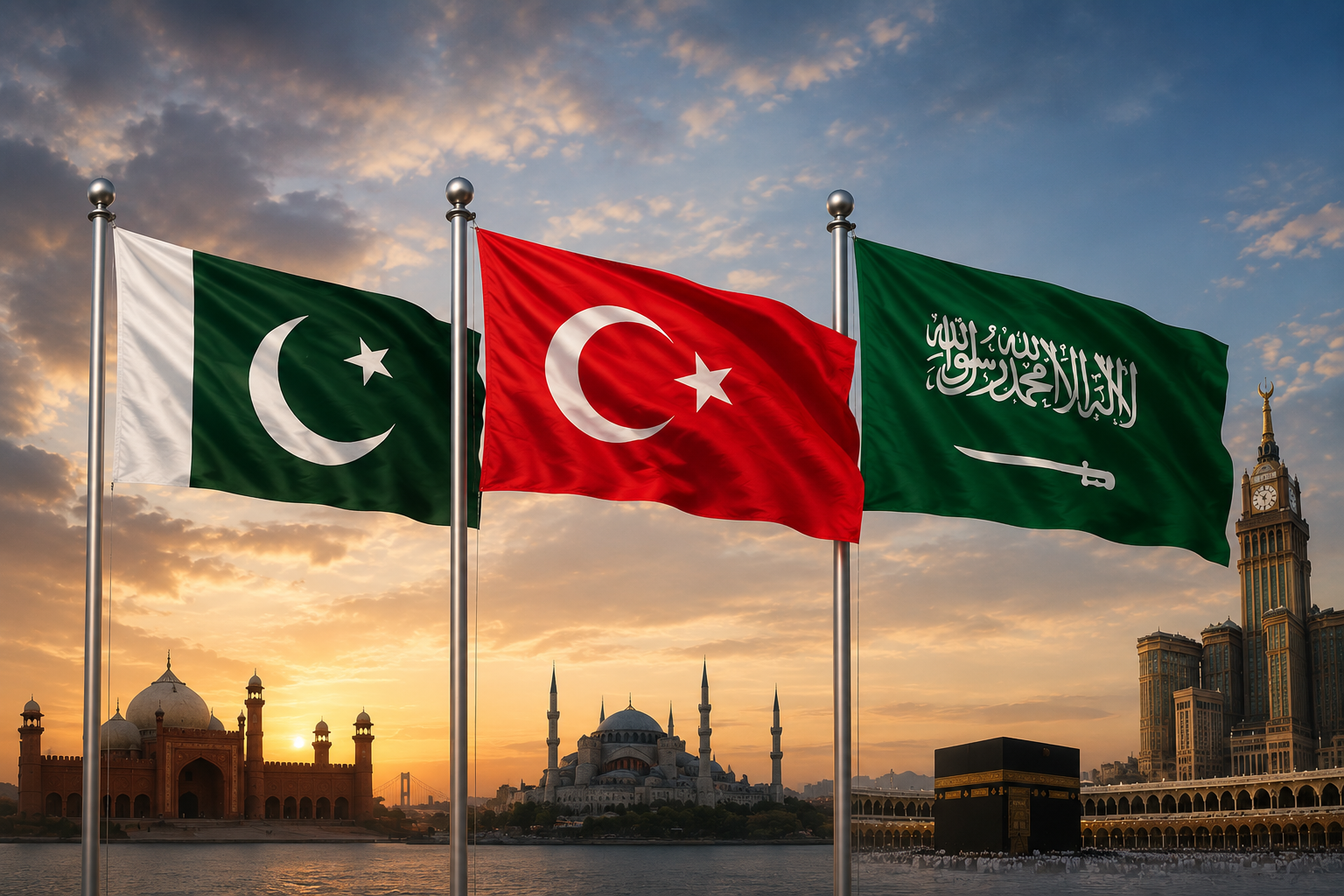
As West Asia grapples with one of its most volatile security environments in years, Saudi Arabia, Pakistan and Türkiye are preparing to sign a trilateral defence agreement in Jeddah on Friday, a move that could reshape military cooperation across the region. While officials have framed the pact as a step toward strengthening regional security, months of negotiations, existing bilateral military arrangements and recent troop deployments suggest the agreement goes well beyond a symbolic diplomatic gesture.
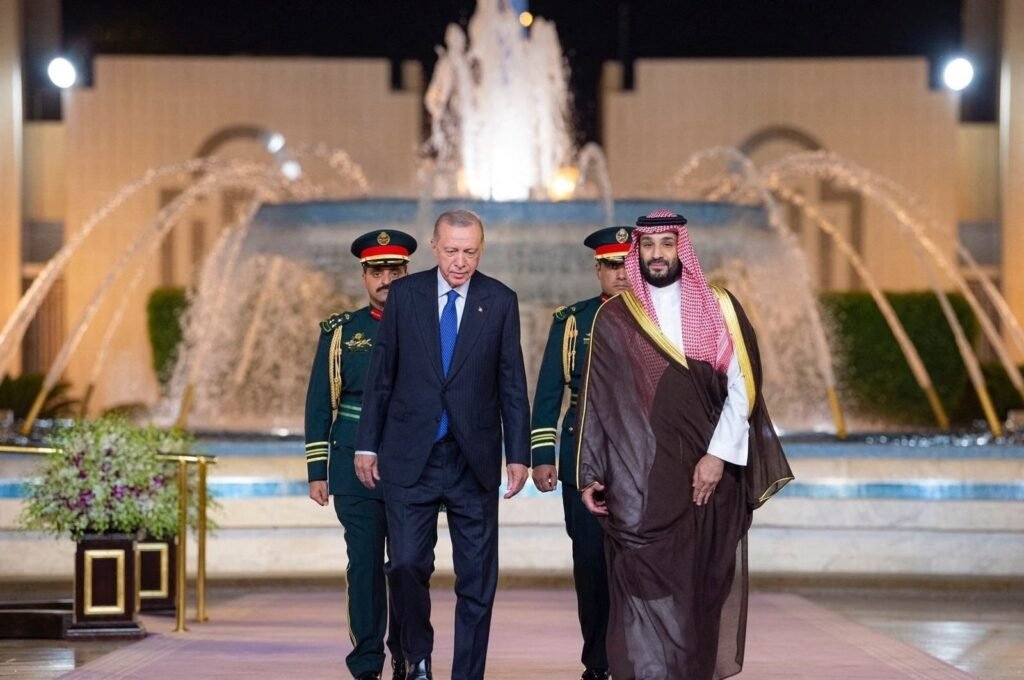
The agreement is expected to be signed during Pakistani Prime Minister Shehbaz Sharif’s visit to Saudi Arabia, where he is accompanied by Field Marshal Asim Munir, senior cabinet members and defence officials. The meeting comes after nearly a year of negotiations between the three governments and follows the implementation of an existing Saudi-Pakistan defence pact signed in September 2025.
The full text of the new agreement has not been released. That has left many of its most important provisions, including military obligations, intelligence cooperation and defence procurement unknown.
Also see: Pakistan Launches Cross-Border Operation After Karachi Attack, Says 29 Militants Killed
Also see: India Rebukes Pakistan at UN, Reasserts Kashmir Claim Amid Fresh Row Over Gilgit-Baltistan Elections
Also see: Pakistan $3 Billion Saudi Loan: Survival or Debt Trap
Why is this agreement being signed now?
The timing is closely linked to the deteriorating security environment across the Middle East. Officials involved in the discussions have acknowledged that regional instability accelerated negotiations, although planning for the trilateral agreement began well before the latest escalation.
Pakistan’s Defence Production Minister Raza Hayat Harraj revealed in January that discussions had already reached an advanced stage. “The Pakistan-Saudi Arabia-Turkey trilateral agreement is something that is already in pipeline.”
He also disclosed that the draft had already been exchanged among all three governments. “The draft agreement is already available with us. The draft agreement is already with Saudi Arabia. The draft agreement is already available with Turkey.”
Those remarks indicate the framework was being negotiated months before the current crisis intensified.
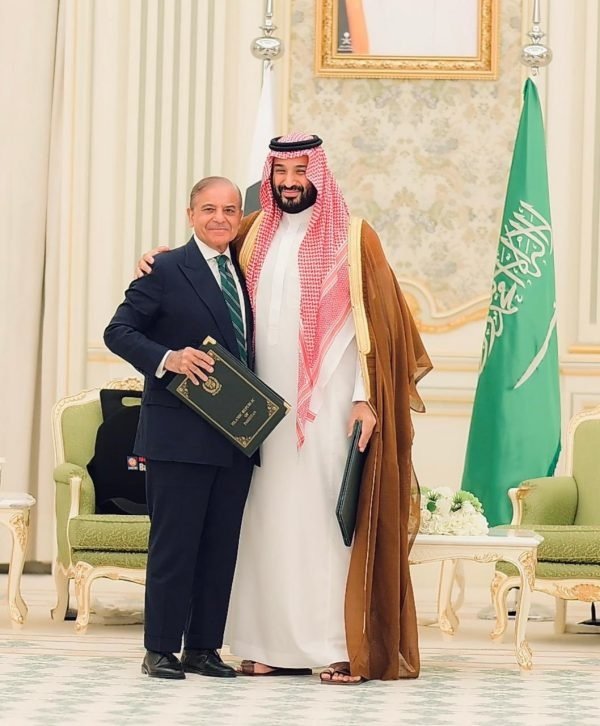
The agreement also builds on the Strategic Mutual Defence Agreement signed between Saudi Arabia and Pakistan in September 2025. That earlier accord significantly expanded bilateral military cooperation and created the foundation upon which the new trilateral arrangement now appears to rest.
Unlike many early reports suggesting this was an entirely new alliance, the latest agreement is better understood as an expansion of an existing defence relationship.
Also see: Pakistan Israel War of Words: “Burn in Hell” Amid Lebanon Strikes
Also see: Saudi Arabia Warns Iran Amid Gulf Attacks | Oil Risk
What military cooperation already exists?
One of the least reported aspects of the story is that Saudi Arabia and Pakistan have already moved beyond diplomatic agreements into operational military cooperation.
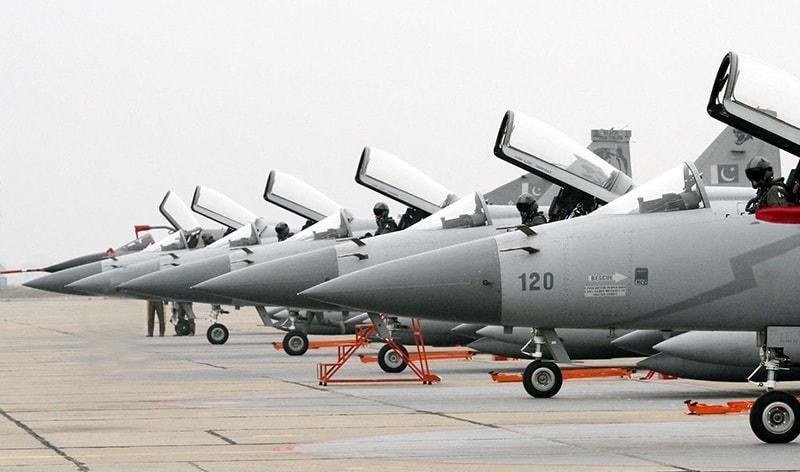
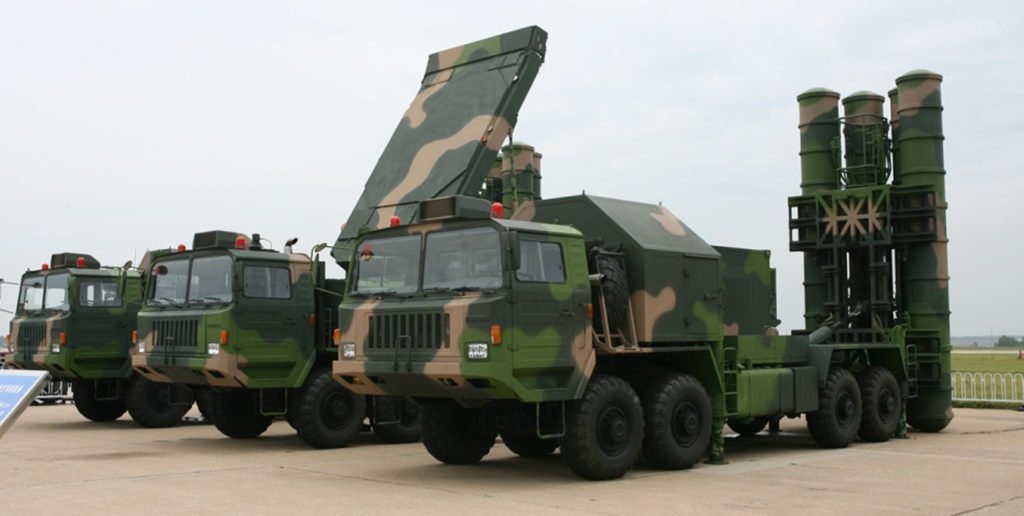
Earlier this year Pakistan deployed approximately 8,000 military personnel to Saudi Arabia under the bilateral defence agreement. The deployment reportedly included a JF-17 fighter squadron, two drone squadrons and a Chinese-made HQ-9 air-defence system, making it one of Pakistan’s largest overseas military commitments in recent years.
Pakistan’s Foreign Ministry reaffirmed that cooperation remains active.
“We remain committed to implementing all our bilateral agreements with Saudi Arabia, including all bilateral defence agreements and our agreements on mutual defence.”
That statement suggests the upcoming trilateral pact is intended to expand-not replace-the existing security framework.
Türkiye’s participation introduces an entirely new dimension. Unlike Saudi Arabia, which relies heavily on imported military equipment, Türkiye has spent the past decade developing a domestic defence industry capable of producing drones, missiles, armoured vehicles and advanced aerospace systems.
The combination of Saudi financial resources, Pakistan’s military experience and Türkiye’s defence manufacturing capabilities could make the partnership as much an industrial alliance as a military one.
Also see: US-Iran Deal or Diplomatic Mirage? Secretive Switzerland Talks Produce Surprise Breakthrough
Also see: Ireland Faces Economic Uncertainty as Growth Forecast Declines
Also see: The Global Economy Faces a 2025 Slowdown, But India’s Growth Remains Strong
What do we still not know?
Despite widespread reporting on the expected signing, the most important questions remain unanswered because no government has released the treaty itself.
There is currently no public confirmation on whether the agreement contains an automatic mutual-defence clause, whether military assistance would require political approval from each member state, or whether the pact focuses primarily on intelligence sharing, joint exercises and defence-industrial cooperation.
No details have been published regarding command structures, joint headquarters or operational planning mechanisms.
Equally absent are financial details.
Neither Saudi Arabia, Pakistan nor Türkiye has announced whether the agreement includes defence investments, technology-transfer arrangements or joint weapons production. Those issues are particularly significant given Saudi Arabia’s Vision 2030 strategy, which aims to localise a substantial portion of the Kingdom’s defence industry.
Analysts believe future defence contracts could ultimately prove more consequential than the treaty itself.
A wider geopolitical shift
The agreement also reflects broader strategic changes unfolding across the region.
For decades, Saudi Arabia relied primarily on the United States as its principal security partner. Recent regional crises, including attacks on energy infrastructure, maritime security concerns and instability affecting shipping routes through the Strait of Hormuz and the Red Sea have encouraged Gulf states to diversify their defence relationships.
Pakistan has long maintained close military ties with Saudi Arabia through training programmes and defence cooperation, while Türkiye has emerged as one of the world’s fastest-growing defence exporters.
Taken together, the three countries bring complementary strengths: Saudi Arabia offers financial capacity and strategic geography, Pakistan contributes one of the region’s largest armed forces, and Türkiye provides an expanding indigenous defence industry.
The agreement therefore reflects not only immediate security concerns but also a longer-term effort to deepen military and industrial cooperation among three influential regional powers.
The international response will be closely watched.
Iran has not publicly commented on the expected agreement, despite being one of the regional actors most likely to assess its strategic implications. The United States has also yet to issue a formal response, while India and Israel are expected to monitor developments given their respective security interests and relationships with the participating countries.
For now, the ceremony in Jeddah marks only the beginning. The real significance of the agreement will depend on what follows: whether governments publish the treaty, announce defence procurement projects, establish intelligence-sharing mechanisms or begin conducting joint military exercises.
Until those details emerge, the new trilateral pact remains a framework whose full scope and regional impact has yet to be revealed.
Also see: India War Risk Insurance: ₹1,000 Crore Fund Planned Amid Hormuz Crisis Disruptions
Also see: G7 Summit 2026: Modi Calls for Trust and Cooperation as Global Leaders Meet in France
Also see: US Strike on Tanker Carrying Indian Crew Sparks Diplomatic Clash Near Strait of Hormuz