
“The Indian Army is not involved, but 227 Indians were recruited into Russia’s armed forces, 37 Indians remain unaccounted for in the latest public tally.”
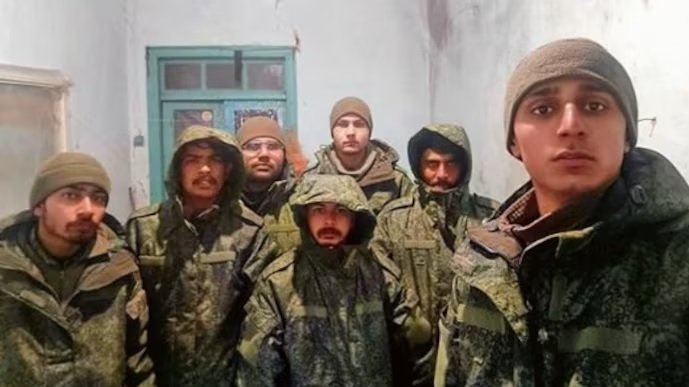
227 Indian nationals have now been identified as having been recruited into the Russian armed forces. Fifty one are dead. One hundred and thirty nine have been discharged. And that leaves 37 people who do not fit neatly into the latest public breakdown.
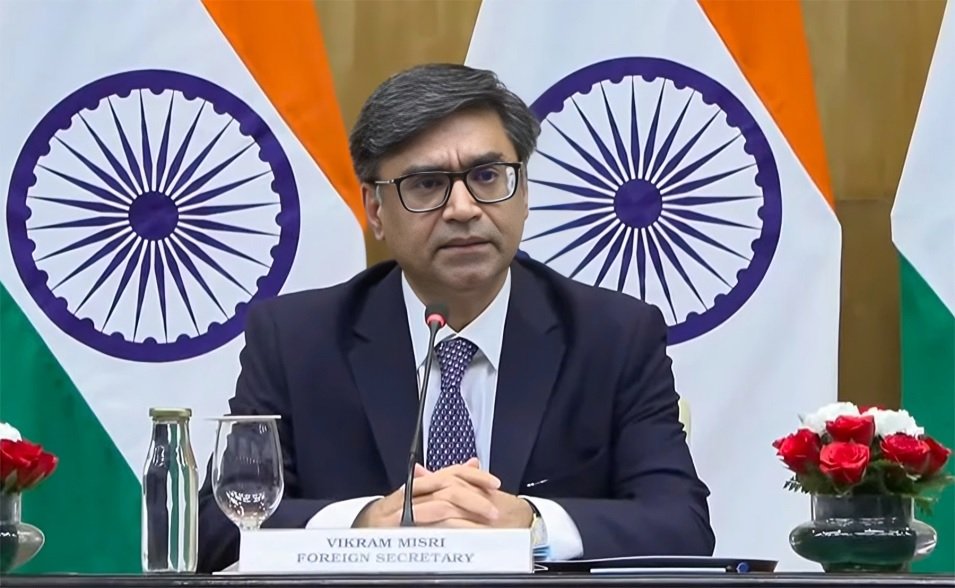
Foreign Secretary Vikram Misri disclosed the figures in Bishkek, Kyrgyzstan, on August 31, as Prime Minister Narendra Modi met Russian President Vladimir Putin on the sidelines of the Shanghai Cooperation Organisation summit. Misri said, “We had information about 227 Indian nationals who had been recruited into the Russian army.”
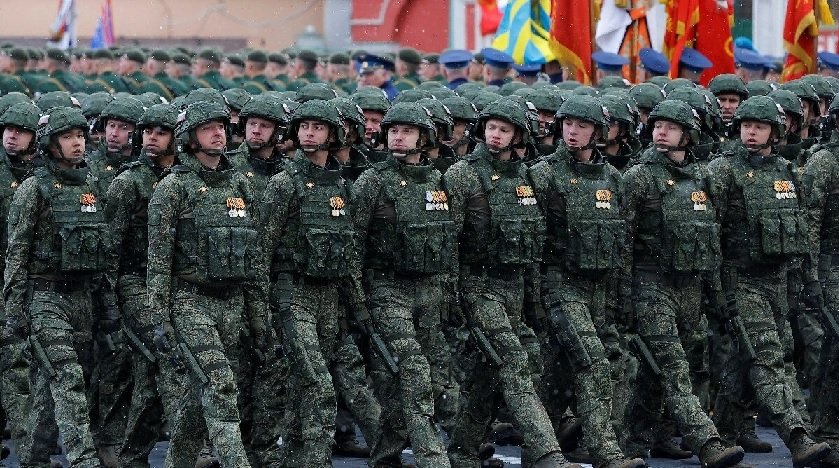
The terminology matters here. This is not the Indian Army. The Indians were recruited into Russian military structures during the Russia-Ukraine war. India says 139 have been discharged and that it is still pressing Moscow over those whose cases have not been resolved.
Also see: Russia Kyiv Strike 2026: 27 Killed in Deadliest Russian Attack
Also see: Quad Ministers Meeting Held in New Delhi Amid China Tensions
Also see: Trump and Xi Strike Tone in Beijing as US-China Tensions Simmer
The 227 number has grown. The government still has to explain why
The latest disclosure is much larger than the figure India was using two years ago.
In August 2024, the government told Parliament that 91 Indians had been recruited into Russian military service. Eight had died, 14 had been discharged or returned, and 69 were awaiting release. By May 2026, the Supreme Court was told that the figure had reached 217. Of those, 139 had been released, 49 had died and six had been confirmed missing. The status of another 23 remained unknown.
By July 31, the number was reported at 219. The Supreme Court was told that 139 had been discharged and 51 were reported dead or missing, with mortal remains of 29 people brought back.
Now it is 227.
That produces an obvious calculation: 227 minus 139 discharged minus 51 dead equals 37.
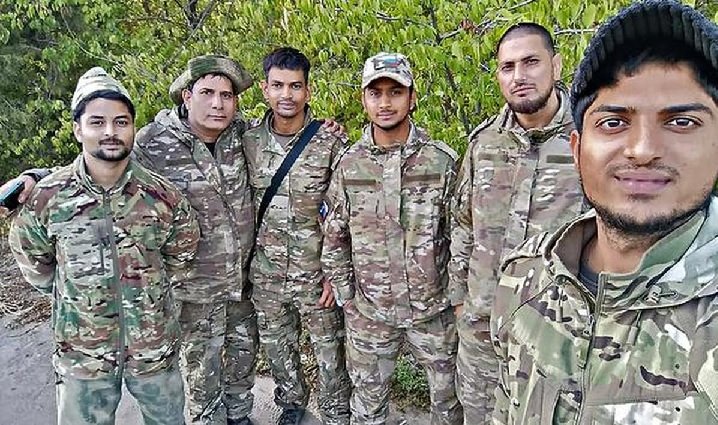
The government has not publicly broken those 37 into a clean category-by-category status in the latest reports. They could include people still serving, missing personnel, unresolved cases or people whose status has changed during the continuing reconciliation of Indian and Russian records. But that needs to be stated, not assumed.
There is another complication. Earlier Supreme Court reporting used the category “dead/missing”, while Misri’s latest statement says 51 people have “perished.” That does not automatically establish that every one of the 51 died on a Ukrainian frontline.
Also see: Pakistan Launches Cross-Border Operation After Karachi Attack, Says 29 Militants Killed
Also see: Muharram 2026: Dates, Islamic New Year & Ashura Explained
Also see: Pakistan $3 Billion Saudi Loan: Survival or Debt Trap
This started as a job racket. The CBI found something much darker
The origins of the crisis are now well documented.
In March 2024, the CBI said it had uncovered an organised human-trafficking network allegedly luring Indians to Russia with promises of lucrative jobs, security work and other opportunities. The agency said some recruits were subsequently trained in combat roles and deployed to front bases in the Russia-Ukraine war zone.
The investigation covered multiple cities, including New Delhi, Mumbai, Chandigarh, Ambala, Madurai, Chennai and Thiruvananthapuram. Investigators seized more than ₹50 lakh, along with phones, computers, documents and CCTV footage. The CBI initially said about 35 victim cases had been established.
The agency named 24×7 RAS Overseas Foundation, O.S.D. Bros Travels & Visa Services, Adventure Visa Services and Baba Vlogs Overseas Recruitment Solutions, along with their directors or associates including Suyash Mukut, Rakesh Pandey, Manjeet Singh and Faisal Abdul Mutallib Khan.
The issue is no longer based only on Indian allegations. In May 2026, the UK government sanctioned the same four companies and several individuals, including Khan, Pandey, Singh and Mukut, under its trafficking sanctions regime. The UK listed the entities as involved in trafficking foreign nationals into Russia.
That gives the recruitment story an international dimension.
Also see: Ram Temple donation theft: VHP to await SIT probe on Rai
Also see: Meta India Head Named in FIR Over Morphed PM Modi Posts During CJP Protests
Also see: Sanctions Against India Would ‘Boomerang’, Says Putin
The Supreme Court is now dealing with the human cost
The diplomatic effort has not been enough to close the cases.
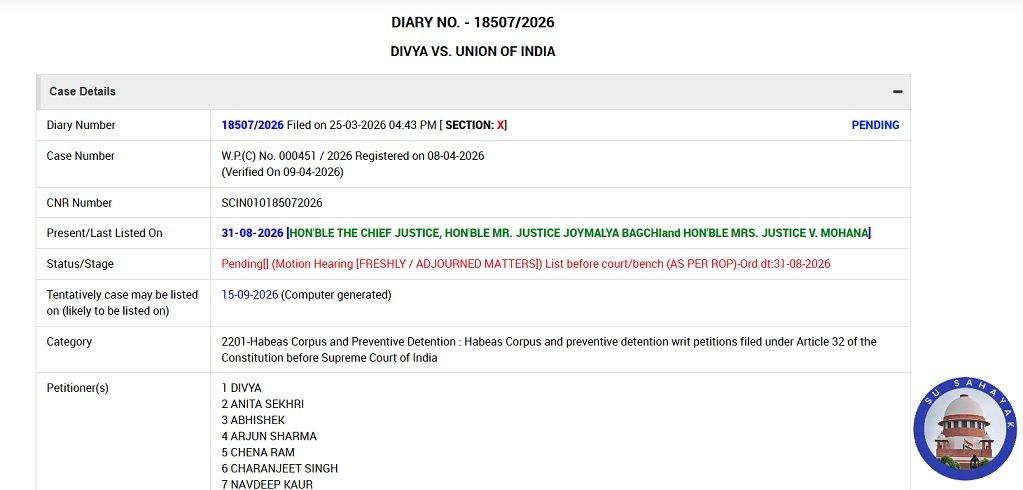
On July 31, the Supreme Court directed the Ministry of External Affairs to appoint a nodal officer for affected families. It also ordered DNA matching for mortal remains, assistance with compensation claims against Russian authorities and access to legal aid.
The case, DIVYA v. Union of India, was brought by families of Indians allegedly duped into joining Russian military forces. The government has acknowledged that while some Indians were misled by agents, others knowingly entered military contracts.
India has repeatedly pressed Moscow to release those still serving. MEA spokesperson Randhir Jaiswal previously said the embassy in Moscow was monitoring the cases and that India continued pursuing the release of roughly two dozen Indians.
Read : Supreme Court’s July 31 order on Indians in Russian military
Read : Supreme Court’s May 22 order on Indian recruits in Russia
Misri’s latest message was similar: “This remains an issue on which we are in constant discussions with the Russian side.”
But the numbers are moving faster than the public explanation.
The immediate task for New Delhi is therefore not simply securing more discharges. It is establishing exactly what happened to all 227 people, who recruited them, what they were promised, when they signed contracts, where they were deployed, who died, where the bodies are, who remains in Russia and whether families received compensation.
Until those records are reconciled, the headline number of 51 deaths tells only part of the story. The 37 still outside the latest public accounting may be the next major chapter.
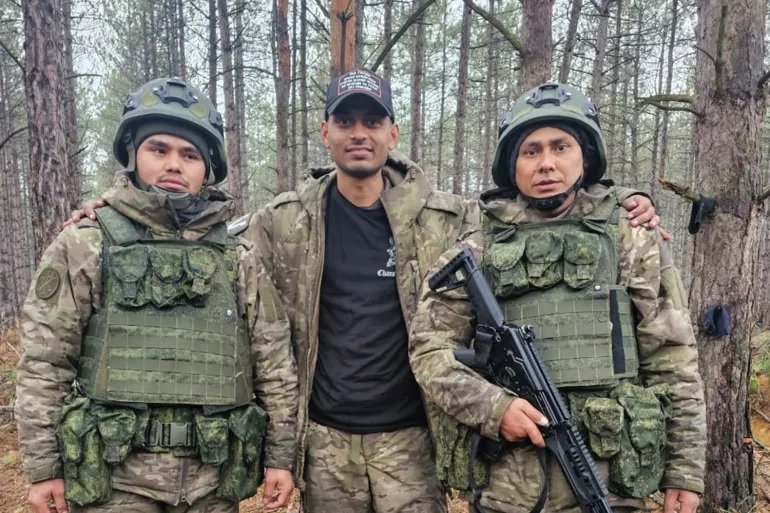
“Behind every number, is an Indian family waiting for a knock on the door, a phone call that may never come, or a son who left home believing he was going abroad for a job. For the 51 families who lost someone, “discharged” or “dead” is not a statistic. It is a life that was supposed to come back home. And for a country that calls every one of its citizens its own, bringing them home “alive or in dignity after death” should never be just another diplomatic file.”
Also see: G7 Summit 2026: Modi Calls for Trust and Cooperation as Global Leaders Meet in France
Also see: Best AI Tools for Students in 2026: 10 Free AI Apps That Actually Make Studying Smarter