
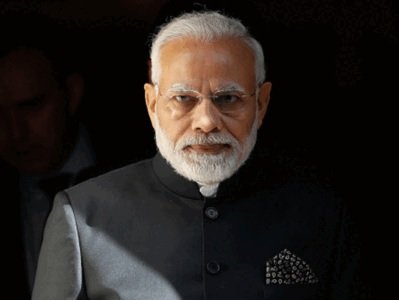
“Modi longest-serving PM became a historic political milestone on June 10, 2026, when Prime Minister Narendra Modi surpassed Jawaharlal Nehru’s elected tenure record.”
NEW DELHI — Prime Minister Narendra Modi on Tuesday became India’s longest-serving elected prime minister, crossing a milestone that had stood since the era of Jawaharlal Nehru and adding another chapter to a political career that has already stretched across three consecutive national election victories.
According to official figures, Modi completed 4,399 consecutive days in office as prime minister on June 10, surpassing Nehru’s record of 4,398 days served after India’s first general election in 1952. Modi first took office on May 26, 2014, following the Bharatiya Janata Party’s sweeping Lok Sabha victory.
What’s happening around the world: Xi Jinping North Korea Visit: China Seeks Greater Influence
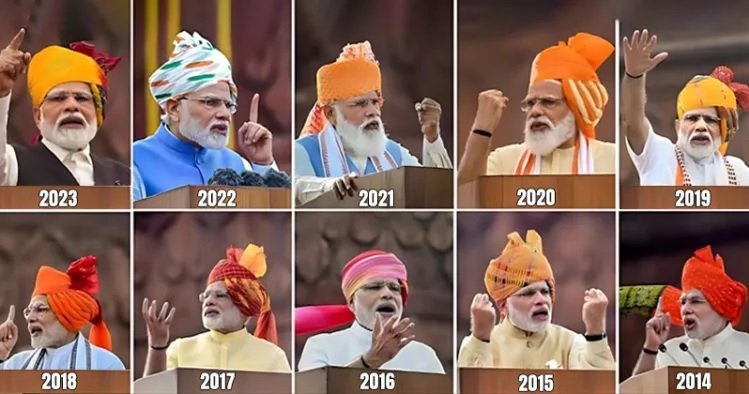
Record Falls After More Than Six Decades
The milestone was highlighted by government agencies and public broadcasters throughout the day. In a statement, officials noted that Nehru had served as an elected prime minister from May 13, 1952, until his death on May 27, 1964. “Prime Minister Narendra Modi has become the longest-serving elected Prime Minister of India today”, public broadcaster Akashvani News reported. The report added that Modi’s continuous tenure had reached 4,399 days, one day longer than Nehru’s elected tenure.
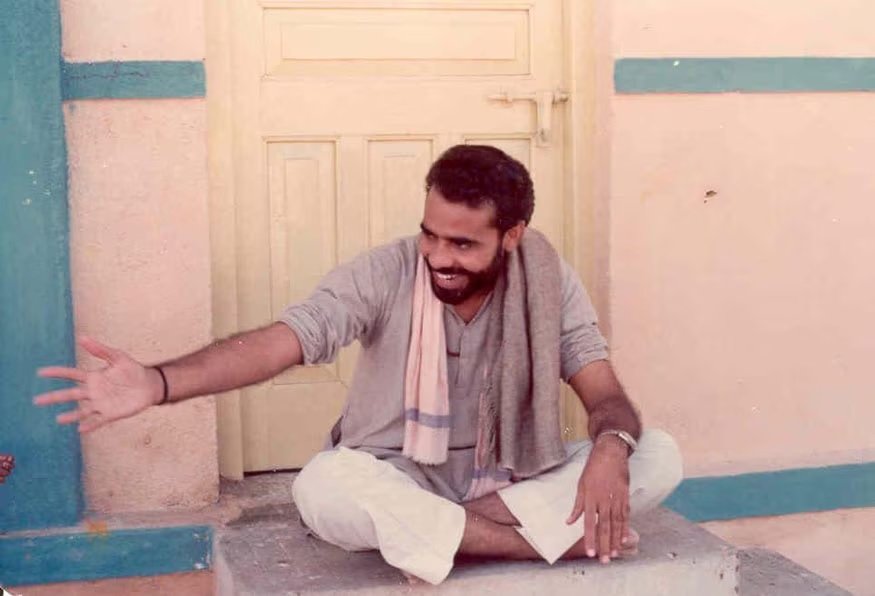
The achievement comes nearly 12 years after Modi entered the Prime Minister’s Office and two years after he secured a third consecutive term in the 2024 general election. Nehru remains India’s longest-serving prime minister overall when his pre-election tenure beginning in August 1947 is included.
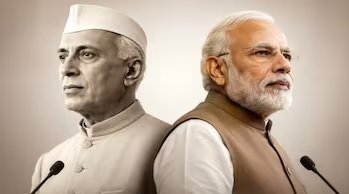
Global Recognition and Domestic Debate
Several international leaders issued congratulatory messages, while supporters described the milestone as evidence of political stability in the world’s largest democracy. The government also pointed to broader economic and social indicators during Modi’s tenure. Official data frequently cited by ministers shows that nearly 250 million Indians moved out of multidimensional poverty in recent years. India has also emerged as one of the world’s fastest-growing major economies and has expanded its digital payments ecosystem through the Unified Payments Interface, which processes billions of transactions every month.
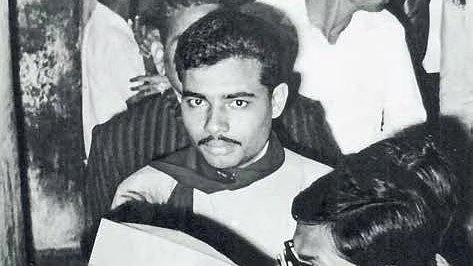
Independent surveys have repeatedly ranked Modi among the world’s most popular democratic leaders. Government statements further noted that he has received civilian honors from more than 30 countries.
Critics Point to Ongoing Challenges
Opposition leaders and critics, however, argue that long tenure alone should not be treated as a measure of success. They have raised concerns over unemployment, institutional independence, media freedom and social polarization during the BJP-led government’s time in office.
Even so, the record is unlikely to be disputed. As of June 10, 2026, Narendra Modi officially stands as India’s longest-serving elected prime minister, overtaking a benchmark set by Jawaharlal Nehru more than 60 years ago.
For more updates follow: First Report News