

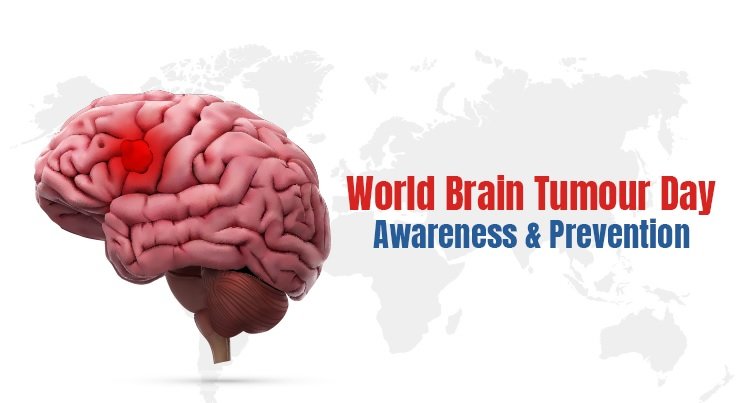
“World Brain Tumor Day is drawing attention to advances in precision medicine that are improving survival rates for patients with high-grade gliomas and other aggressive brain tumors.“
NEW DELHI — A diagnosis of high-grade glioma, one of the most aggressive forms of brain cancer, has long been associated with poor survival and limited treatment options. Doctors now say that picture is beginning to change as advances in surgery, molecular testing and targeted therapies gradually improve outcomes for some patients.
Speaking around World Brain Tumor Day, neuro-oncology specialists said, median survival for many patients with high-grade gliomas has increased from roughly 9 to 12 months in previous decades to around 14 to 18 months today. Some major treatment centers are reporting nearly 40% two-year survival rates among selected Grade III and Grade IV glioma patients, while a small number of patients are surviving for more than a decade.
What’s happening around the world: Xi Jinping North Korea Visit: China Seeks Greater Influence

“Once people hear the word tumor in the brain, many feel nothing can be done and life has come to an end“, said Dr Shyam Agarwal, senior consultant in medical oncology at Sir Ganga Ram Hospital in New Delhi. “But brain tumors can be benign or malignant, and even among malignant tumors there are different grades. Today, we have multiple treatment options, including surgery, radiation and targeted drugs“.
High-grade gliomas, including glioblastoma, remain among the deadliest cancers. According to international cancer data, glioblastoma accounts for nearly half of all malignant brain tumors diagnosed in adults. Median survival for glioblastoma patients receiving standard treatment is generally reported at 12 to 18 months, although outcomes vary significantly depending on age, tumor genetics and response to therapy.
Specialists say one of the biggest changes has come from improvements in surgery. Dr Amitabh Gupta, director of neurosurgery at PSRI Hospital, said technologies such as neuronavigation systems, advanced operating microscopes and fluorescent markers allow surgeons to identify tumor tissue more accurately while preserving healthy brain structures.
“These tools help maximise safe tumor removal while preserving healthy nervous tissue“, Gupta said. He added that combining modern surgery with stereotactic radiosurgery and molecularly guided chemotherapy is improving tumor control, survival and quality of life.
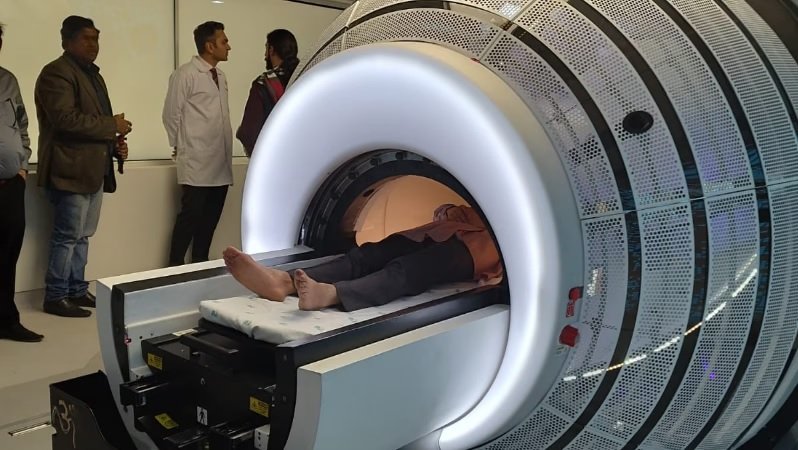
Radiation oncology has also evolved. Dr Tejinder Kataria, chairperson of radiation oncology at Medanta, said highly precise radiation delivery techniques now allow doctors to target tumors more effectively while reducing damage to surrounding brain tissue. “We are now able to deliver highly precise tumouricidal doses while protecting normal tissue“, Kataria said. “Median survival has improved from around 9 to 12 months to 14 to 18 months.“
A growing focus on molecular testing is reshaping treatment decisions. Doctors increasingly test tumors for genetic markers such as IDH mutations and MGMT status, which can help predict prognosis and guide therapy choices. Patients with IDH-mutant gliomas may benefit from targeted treatments including vorasidenib, a drug approved for certain IDH-mutant brain tumors.
“Comprehensive genomic profiling is increasingly becoming essential“, Agarwal said. “Gene sequencing is helping doctors identify precision-medicine options that were not available a few years ago“.
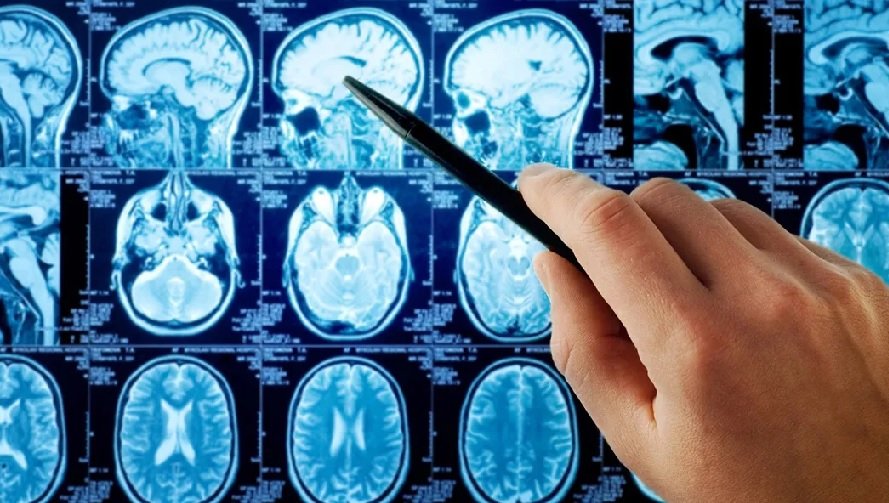
Despite the advances, specialists caution that delayed diagnosis remains a major challenge. Persistent headaches, seizures, vision changes and cognitive symptoms are often mistaken for stress, migraine or other common conditions. Brain tumors account for roughly 2% of cancers diagnosed in India, with gliomas and astrocytomas estimated to occur at a rate of five to 10 cases per 100,000 people annually.

Researchers are now looking beyond conventional treatments. Immunotherapy, CAR-T cell research and next-generation precision oncology approaches are being studied worldwide, offering hope that survival gains seen over the past decade could continue in the years ahead.
For more updates follow: First Report News