
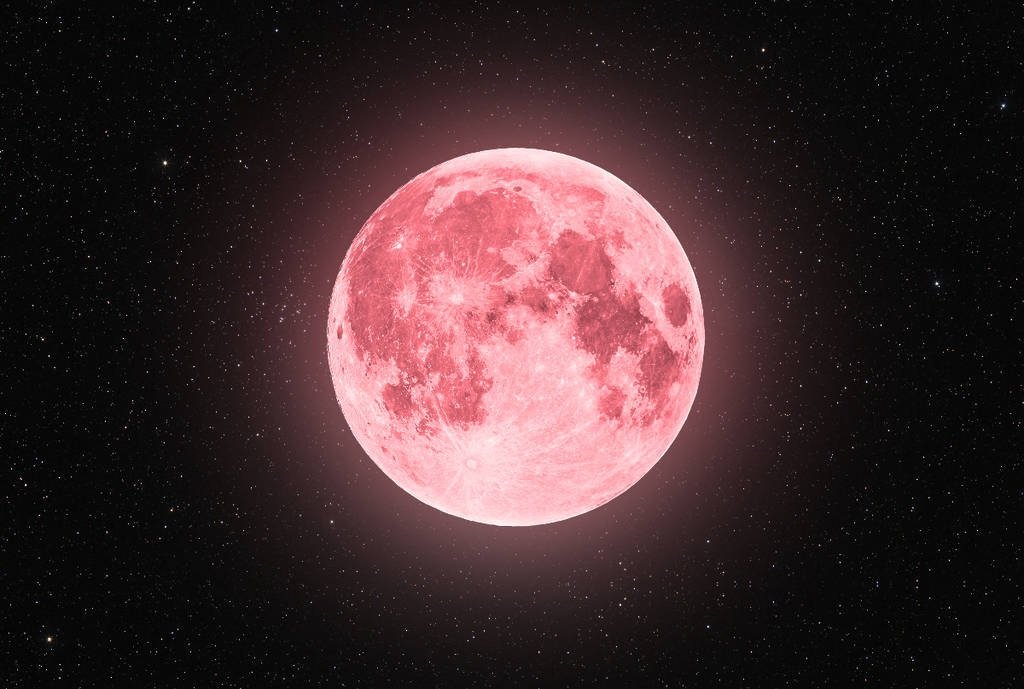
Skywatchers across the Northern Hemisphere are preparing for one of the year’s most anticipated celestial events as the Strawberry Moon reaches peak illumination on June 29, 2026. While its name may suggest a pink or red appearance, astronomers say the June full moon is unlikely to display those colours naturally. Instead, it is expected to appear unusually low above the horizon, creating striking viewing conditions during moonrise.
According to The Old Farmer’s Almanac, the full moon will reach peak illumination at 7:56 p.m. Eastern Time (23:56 UTC), which corresponds to 5:26 a.m. IST on June 30. Observers will have the best chance to enjoy the spectacle shortly after moonrise, when the Moon sits close to the southeastern horizon and can appear larger than usual because of the well-known Moon Illusion.
What’s happening around the world: Mumbai Local Train Stabbing: Passenger Killed, Accused Held
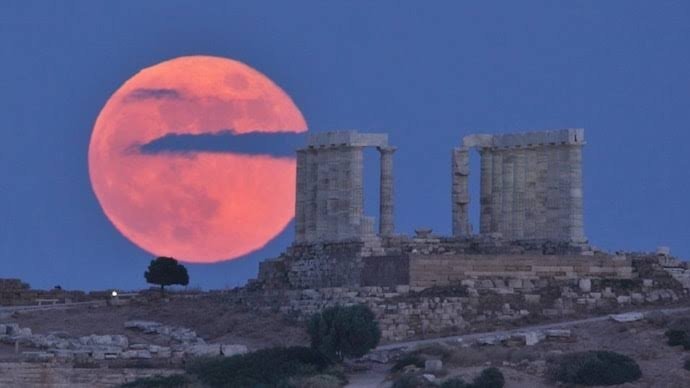
“The June Full Moon will reach peak illumination on June 29 at 7:56 P.M. Eastern Time“, The Old Farmer’s Almanac states in its astronomical calendar. Astronomy experts note that the Moon itself does not physically grow in size. The dramatic appearance near the horizon is caused by a visual illusion, combined with atmospheric conditions that can give the lunar surface warm orange, amber and golden tones.
The Strawberry Moon gets its name from the seasonal strawberry harvest observed by Indigenous Algonquian communities in North America. Contrary to a common misconception, the title has no connection to the Moon’s colour. The University of Nottingham explains that the name served as a seasonal marker signalling the ripening of wild strawberries. Similar traditions were followed by the Ojibwe, Dakota and Lakota peoples, each using lunar cycles to track seasonal changes and agricultural activity.
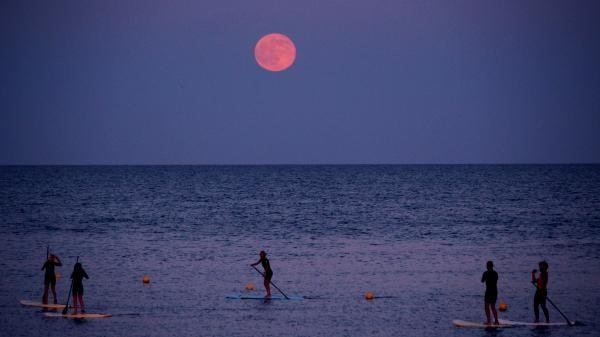
The June full moon also carries different names in other parts of the world. Across Europe, it has historically been known as the Honey Moon, Mead Moon and Rose Moon, reflecting local customs tied to farming, flowering plants and midsummer celebrations. These traditional names highlight how different cultures used the lunar calendar long before modern astronomical observations became widespread.
This year’s event arrives just over a week after the June 21 summer solstice, a timing that gives the Moon one of its lowest apparent paths across the Northern Hemisphere sky. Because moonlight passes through a thicker layer of Earth’s atmosphere when the Moon is near the horizon, shorter blue wavelengths scatter more easily, allowing warmer colours to dominate. The same atmospheric process is responsible for the vivid colours often seen during sunrise and sunset.
Astronomy organisations recommend viewing the Strawberry Moon from an open location away from bright city lights, with an unobstructed view of the eastern or southeastern horizon. While binoculars can reveal additional surface detail, no telescope is needed to enjoy the event. For many observers, the moments immediately after moonrise are expected to offer the most memorable views as June’s full moon marks the beginning of another summer season under clear night skies.
For more updates follow: First Report News