

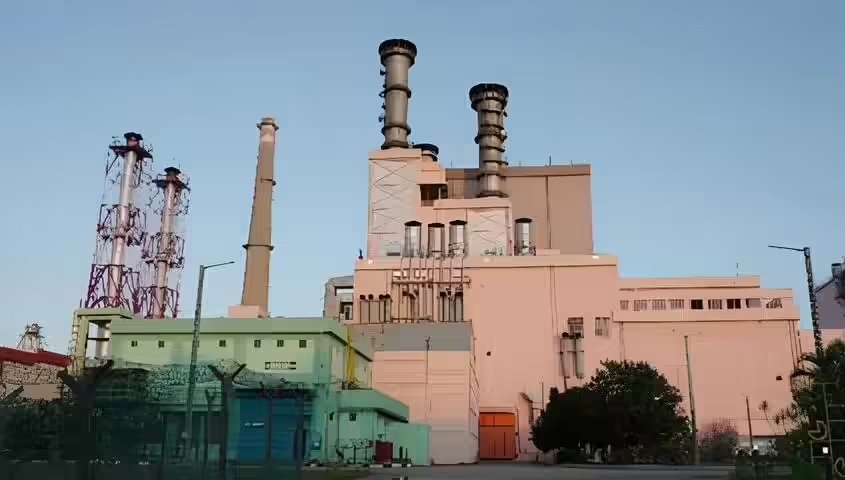
“The India fast breeder reactor at Kalpakkam marks a major step in the country’s nuclear programme.”
Kalpakkam, Tamil Nadu| April 2026, India has quietly marked a historic milestone in its nuclear journey as the Prototype Fast Breeder Reactor (PFBR) at Madras Atomic Power Station achieved criticality on April 6, 2026. A very important step toward energy self-reliance.
Criticality signifies the start of a self- sustaining nuclear chain reaction. Which basically means that the reactor is now operational at a fundamental level, but not yet producing commercial electricity.
For more information about Criticality: First criticality for Indian fast breeder reactor – World Nuclear News
A 20-year project has finally ended
The 500 MWe PFBR developed by BHAVINI has been in the making since 2004. It was originally expected to be completed within a decade, but the project had to face multiple delays and cost escalations. According to multiple reports, the cost rose from nearly ₹3,500 crores to over ₹7,700 crores, reflecting both technological complexities and regular hurdles.
Officials have described this achievement as a “landmark moment” for India’s nuclear ambitions. This signals the country’s transition into the second stage of its three-stage nuclear program.
For more information about 500 MWe PFBR: Prototype Fast Breeder Reactor
Why this reactor matters
Unlike the other conventional reactors, the PFBR is a fast breeder reactor, which basically means that it produces more nuclear fuel than it consumes. Using a mix of plutonium and uranium. It can generate additional fissile material, making it a long-term solution to fuel scarcity. A senior official involved in the project said that such reactors are critical for India’s energy roadmap especially given its limited uranium reserves but vast thorium deposits.
India’s nuclear strategy was designed decades ago. And its aim was ultimately to shift toward thorium-based energy production, potentially providing power security for centuries.
Stay updated on the latest news: France Pulls Gold From US, Locks in €13 Billion Profit
Strategy and global significance
With this milestone, India joins a select group of nations like Russia, who have developed the fast breeder reactor technology. This will strengthen India’s position in the global clean energy transition. Nuclear energy remains one of the very few reliable sources of low carbon baseload power, essential for meeting rising electricity demand without increasing emissions.
What comes next?
Despite this breakthrough, the reactor is still not fully operational. It must undergo power ascension tests and grid integration before commercial electricity generation starts.
As nuclear analysts point out, “Criticality is the beginning and not the end”.
Follow for more updates: First Report News