

Muslims across the world are preparing to welcome Muharram, the first month of the Islamic calendar, with religious authorities in different countries expected to confirm its official start through moon sighting. The Islamic Society of North America (ISNA) has estimated that Muharram 1448 AH will begin around June 16, 2026, placing Ashura on June 25, although the organization notes that the dates remain subject to local moon-sighting announcements.
Sacred Month Marks Beginning of New Hijri Year
Muharram is one of Islam’s four sacred months, alongside Rajab, Dhul Qa’dah and Dhul Hijjah. According to the ISNA, the name comes from the Arabic word “al-Muharram“, meaning “forbidden” or “sacred“, reflecting a period during which warfare was traditionally prohibited. The organization states that Muslims are encouraged to increase prayer, charity and acts of worship throughout the month.
“The first day of Muharram 2026 is estimated to fall around June 16, 2026 (subject to official moon sighting)“, ISNA said. It also noted that “Ashura 2026 (10th Muharram) is expected around June 25, 2026, subject to the moon sighting announcement in your region“.
The Hijri calendar, established during the caliphate of Umar ibn al-Khattab, is based on lunar cycles and consists of 12 months totalling 354 or 355 days. Because it is around 10 to 11 days shorter than the Gregorian calendar, Islamic months shift through different seasons over a roughly 33-year cycle.
What’s happening around the world: Strawberry Moon 2026: When to See June’s Rare Full Moon
Ashura Holds Different Meaning Across Islamic Traditions
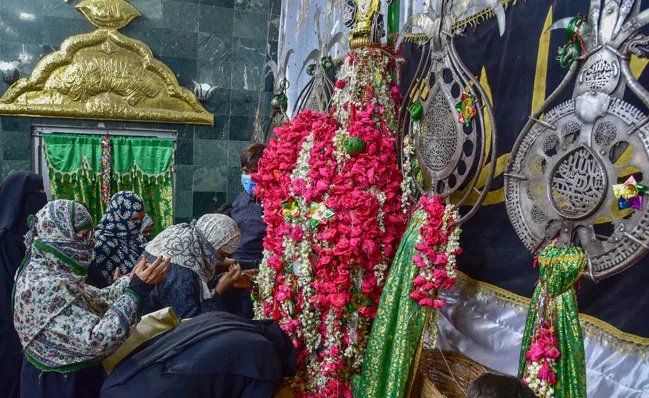
The 10th day of Muharram, known as Ashura, carries special significance for both Sunni and Shia Muslims, though the observances differ.
ISNA explains that Sunni Muslims commemorate the day Allah saved Prophet Musa (Moses) and the Israelites from Pharaoh, with fasting on the ninth and tenth days recommended in Islamic tradition. The organization writes that “fasting during the month of Muharram is one of the most meritorious actions a Muslim can do, particularly on the Day of Ashura“.
For Shia Muslims, Ashura commemorates the martyrdom of Imam Hussain ibn Ali, the grandson of Prophet Muhammad, who was killed during the Battle of Karbala in present-day Iraq in 680 CE (61 AH). Historians widely regard the battle as one of the defining events in Islamic history, shaping the development of Shia identity and religious tradition.
Moon Sighting May Produce Different Dates Worldwide
Although ISNA projects Muharram beginning on June 16, Islamic calendars are finalized only after official crescent moon observations. That means dates can differ between countries and religious authorities.
Saudi Arabia is expected to begin Muharram on June 16 following astronomical calculations and official moon-sighting procedures, while Pakistan and parts of South Asia could begin the month a day later if the crescent is not locally visible. Similar differences occur almost every year because some authorities rely on local sightings while others accept regional or astronomical calculations.
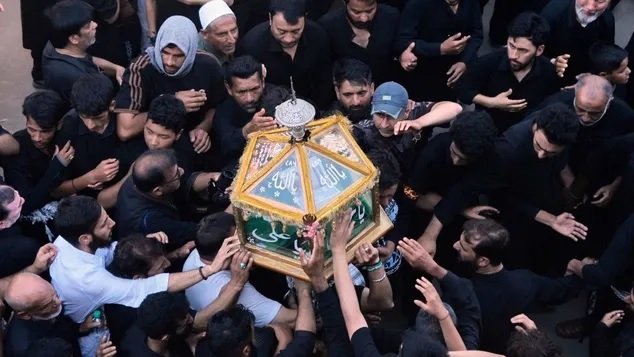
In North America, ISNA advises Muslims to follow local mosque announcements before observing fasting or marking the Islamic New Year. Across the United States and Canada, mosques are expected to organize lectures, Quran recitations, voluntary fasting, charity drives and community gatherings during Muharram, while millions of Muslims in countries including Iraq, Iran, India and Pakistan will observe Ashura through prayers, processions and religious commemorations.
For more updates follow: First Report News