

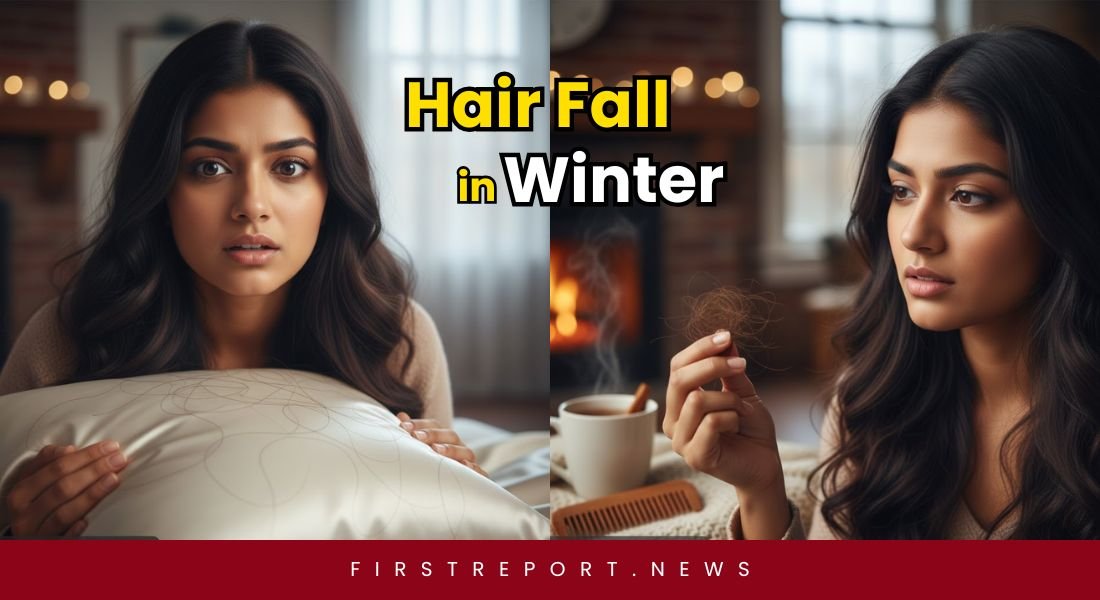
Many women notice more hair strands on the comb or pillow as winter arrives. This is not just imagination — actual effects of cold weather on the scalp and hair. Experts claim that winter’s dry air and low humidity remove moisture from the scalp, causing hair to become brittle and more likely to shed than usual. At the same time, typical wintertime behaviours like taking hot showers and drinking less water exacerbate the issue. You can better control your hair if you know why it falls in cold weather. The science, seasonal effects, and simple maintenance techniques that help minimise needless hair loss during the winter are discussed in this article.
Stats and Research on Seasonal Hair Fall
- Hair breakage and dry scalps are caused by the significantly lower humidity of the dry winter air compared to other seasons.
- Reduced blood flow to the scalp in cold weather may eventually weaken hair roots.
- In comparison to summer, many women report experiencing more hair loss during the winter.
- Although seasonal shedding is a normal part of the hair growth cycle, it can become more apparent in the winter.
- In winter, the scalp and hair strands are further dried out by indoor heating and hot showers.
Why Hair Fall Increases in Winter
Your hair and scalp lose moisture during the winter months due to the dry air and low humidity. As a result, hair strands become weaker and are more prone to breaking and falling out. However, low temperatures can cause a slight constriction of blood vessels. As a result, hair roots receive less oxygen and nutrients, which weakens them over time.
This issue is further exacerbated by daily winter habits. Warm showers are pleasant, but extremely hot water depletes the natural oils on the scalp. In cold weather, drinking less water also lowers hydration, which initially affects the health of the skin and hair. As a result, there is more breakage and hair loss than normal. These seasonal variations can make shedding appear worse than it actually is, even though some shedding is normal.
Also Read: Is It Safe to Drink Bottled Water Left in the Car?
Common Winter Habits that Make Hair Fall Worse
In winter, some daily activities may inadvertently damage the health of your hair. Long hot showers are preferred by many because they eliminate natural oils that shield the scalp and hair shaft. Living in heated rooms causes the air to dry out more quickly, which accelerates the removal of moisture from hair.
In order to stay warm, women also frequently wear scarves and tight caps. Although this keeps the head warm, tight headgear can weaken and break hair strands due to friction. Another habit that exacerbates dehydration during the winter is drinking little water. Winter hair loss feels more severe than seasonal shedding alone because of all these little decisions combined.
Easy Hair Care Steps to Reduce Winter Hair Fall
To reduce hair fall in winter, adjust your care routine with gentle habits:
- In winters also drink a good amount of water every day to keep your body hydrated as well as your scalp and hair moisturised.
- Before hair wash massages your scalp with warm oil, this increase blood circulation and keep scalp moisturized.
- Avoid everyday hair wash or whenever washing hair, always use sulphate-free and hydrating shampoos.
- Hair wash with lukewarm water, to avoid natural hair oil reduction
- Use earmuffs instead of tight scarves.
Delhi’s Air Emergency: Why No Action While We Breathe Poison
When Should You Be Concerned?
Although seasonal hair loss is typically transient, there are indicators that you should be more vigilant. It may be more than just winter shedding if you notice bald patches developing or big clumps of hair falling out every day. Expert care is also necessary for persistent scalp pain, itching, or infection symptoms.
Dermatologists advise looking for nutritional deficiencies as well, particularly those related to iron, vitamin D, or protein deficiencies, which have an impact on hair growth. After a few weeks, if basic maintenance practices don’t stop your hair loss, you might want to see a dermatologist. They can assess the underlying health of the scalp and provide treatments like medicated shampoos or expert guidance on hair loss prevention.
Conclusion
Women frequently experience winter hair loss, which has obvious causes. Your scalp and hair strands are impacted by cold weather, dry air, and decreased moisture. Shedding may feel worse in the winter due to seasonal variations in hair growth cycles. However, the majority of wintertime hair loss is not indicative of a serious illness. Simple care measures like drinking plenty of water, applying gentle hair products, lubricating your scalp, and avoiding hot showers can help you manage it. It’s a good idea to consult a dermatologist if you notice bald spots or if hair loss persists. You can enjoy winter without being overly concerned about hair loss if you follow the proper routine and habits.