
“The Keir Starmer resignation has triggered a fierce Labour leadership battle, with Andy Burnham emerging as an early frontrunner to become Britain’s next Prime Minister.“
Britain woke up Monday facing a question few expected to be asking so soon after Labour’s landslide victory: who will be the next Prime Minister?
Keir Starmer has announced his resignation following months of mounting pressure from inside his own party, triggering a leadership battle that could reshape British politics before Parliament returns from its summer break. While Labour remains firmly in control of the House of Commons with more than 400 MPs, the resignation has exposed deep fractures inside the governing party and accelerated the rise of Andy Burnham as the leading contender to replace him.
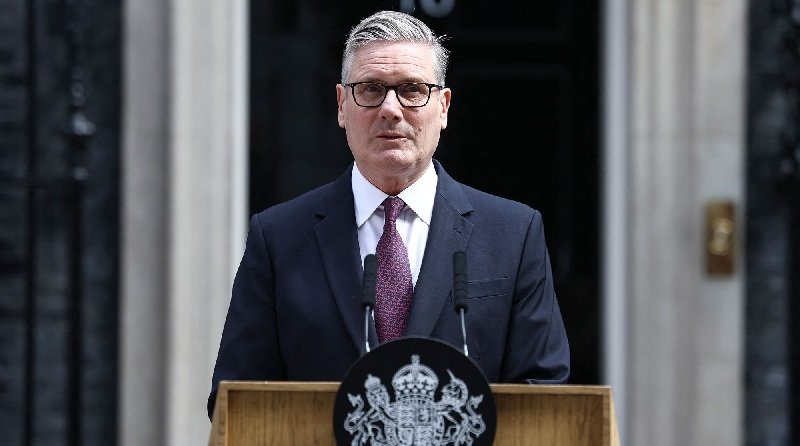
Starmer’s departure follows a turbulent period marked by falling approval ratings, electoral setbacks and growing unrest among Labour MPs. In his resignation statement, the Prime Minister acknowledged the scale of the rebellion against his leadership.
What’s happening around the world: US-Iran Deal or Diplomatic Mirage? Secretive Switzerland Talks Produce Surprise Breakthrough
Also see: Gunman Killed Near White House After Opening Fire at Secret Service Checkpoint
Also see: Indian Rupee Falls Against US Dollar as Oil Prices, Foreign Fund Outflows Pressure the Currency
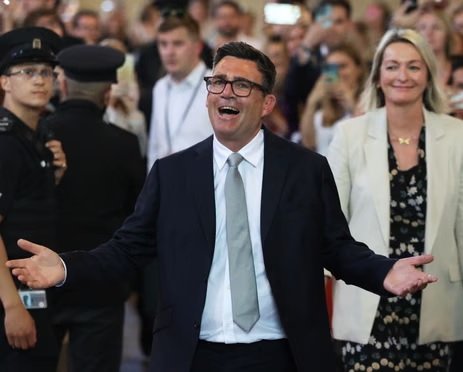
“The question my party is asking now is whether I am best placed to lead us into the next general election. I have heard the answer of my parliamentary party to that question, and I accept that answer with good grace”, Starmer said.
The announcement immediately shifted attention from government policy to succession planning, with Labour preparing for a rapid leadership contest that could conclude before Parliament reconvenes in September.
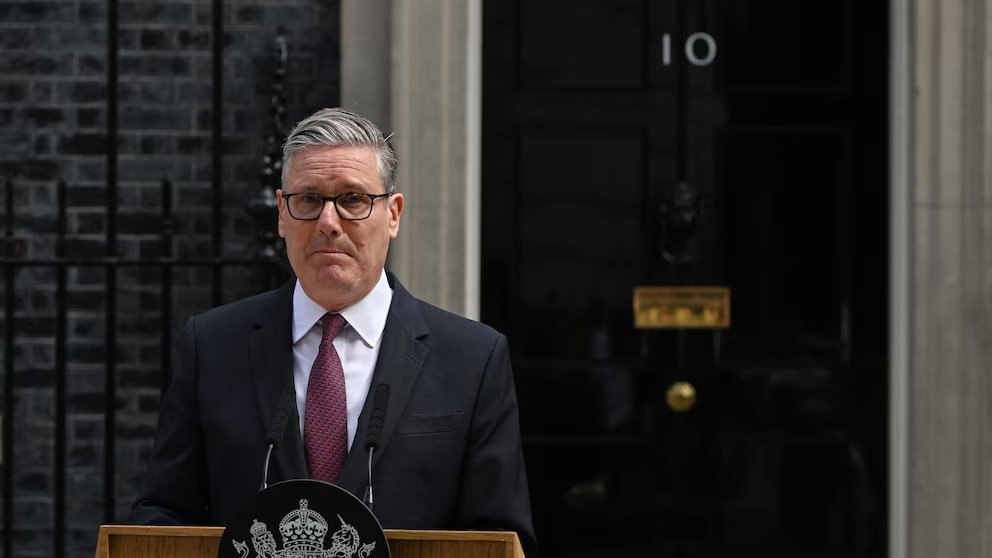
The Revolt That Finally Brought Starmer Down
Publicly, Labour figures have framed the resignation as a responsible transition. Behind the scenes, however, pressure on Starmer had been building for months.
The crisis intensified after a series of disappointing electoral performances that alarmed MPs worried about Labour’s future prospects. Reports from across the political spectrum pointed to major losses in local elections, including more than 1,000 council seats. Internal critics argued that Labour’s popularity had fallen sharply despite entering government with one of the largest parliamentary majorities in modern British history.
Also see: Russia Kyiv Strike 2026: 27 Killed in Deadliest Russian Attack
Also see: Quad Ministers Meeting Held in New Delhi Amid China Tensions
Immigration, economic growth and public services became recurring points of criticism. Some MPs privately complained that Starmer’s government lacked a clear political identity, while others argued voters were becoming increasingly receptive to alternative parties, particularly Reform UK.
The pressure became impossible to ignore after Andy Burnham’s successful return to Parliament through the Makerfield by-election. The former Greater Manchester mayor had spent years positioning himself as one of Labour’s most recognisable political figures outside Westminster. His victory immediately fuelled speculation that he could become a challenger.
Several senior Labour figures soon began signalling support. Health Secretary Wes Streeting publicly backed Burnham, a move widely interpreted as a significant blow to Starmer’s authority. Within days, conversations that had previously taken place behind closed doors were dominating headlines across Britain.
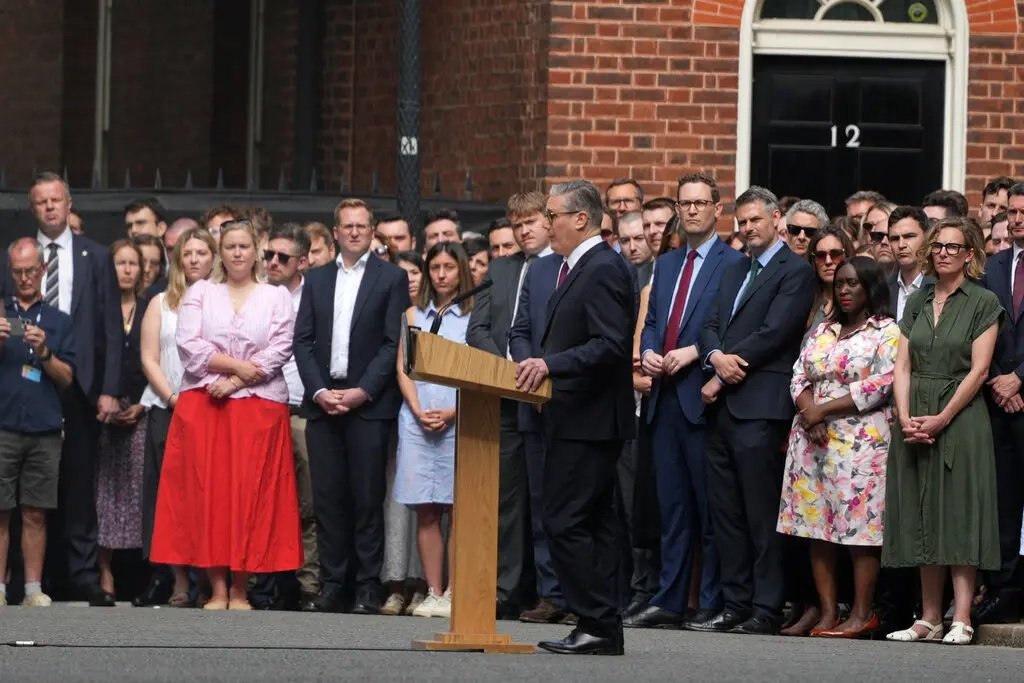
How Labour Will Choose Britain’s Next Prime Minister
The process itself is highly structured. According to Labour Party rules, any candidate seeking the leadership must secure nominations from at least 20 per cent of Labour MPs. With Labour controlling more than 400 seats in the House of Commons, contenders will need substantial parliamentary backing before reaching party members.
Nominations are expected to open on July 9 and close before Parliament enters its summer recess on July 16. If multiple candidates qualify, Labour members and affiliated supporters will participate in the final vote.
Also see: Indian Army Uniform 2026 Introduces Major Dress Reforms
Also see: France Economic Slowdown: Job Market Concerns & Reform Urgency
The winner will not simply become party leader. Because Labour currently commands a parliamentary majority, the successful candidate will automatically become Prime Minister without the need for a general election. Under Britain’s parliamentary system, voters elect MPs rather than directly choosing the Prime Minister.
That distinction has already become a political battleground. Opposition figures have argued that replacing a Prime Minister so soon after a general election creates questions about democratic legitimacy. Supporters of the process counter that leadership changes within governing parties have happened repeatedly throughout modern British history.
Britain has seen similar transitions before. Theresa May replaced David Cameron after the Brexit referendum. Boris Johnson succeeded May. Liz Truss replaced Johnson before eventually being replaced herself by Rishi Sunak without a general election.
Labour officials insist the same constitutional principles apply today.
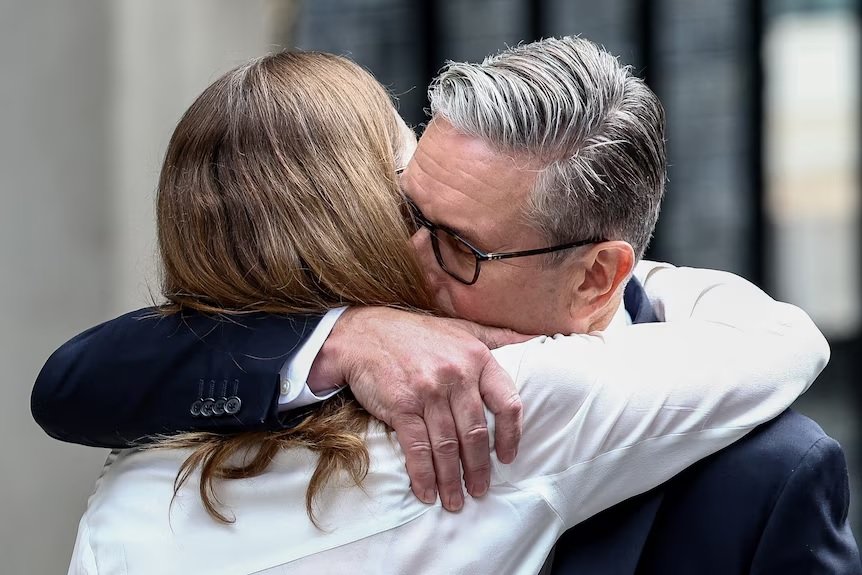
Burnham Emerges as the Early Favourite
No official decision has been made and no ballots have been cast, but Burnham enters the contest with clear momentum.
Political analysts point to his electoral record, national profile and ability to connect with voters beyond Labour’s traditional base. His supporters argue he combines experience in national government with years of executive leadership in Greater Manchester.
Also see: Dalal Street Selloff Fears Rise After Iran Oil Shock
Recent polling conducted before Starmer’s resignation indicated widespread dissatisfaction with the Prime Minister’s leadership. Separate surveys suggested Burnham was already viewed by many voters as the strongest potential successor.
His allies believe that matters. Burnham’s campaign is expected to focus heavily on rebuilding Labour’s electoral coalition after recent setbacks. Supporters argue that his success in Greater Manchester demonstrates an ability to attract backing from both traditional Labour voters and groups that have drifted away from the party in recent years.
Still, the race remains open. Potential rivals continue to assess their options, and Labour’s powerful internal factions have not yet fully aligned behind a single candidate. Trade unions, MPs and grassroots activists are expected to play significant roles once nominations formally begin.
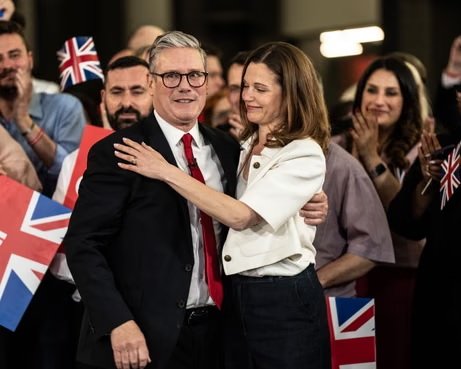
For now, Starmer remains in Downing Street as caretaker Prime Minister while the contest takes shape.
What began as internal dissatisfaction has turned into a full-scale struggle over Labour’s future direction. The leadership election will determine more than who occupies Number 10. It will decide whether Labour doubles down on the political project that delivered power in 2024 or hands the country to a new generation of leadership less than two years later.
The next few weeks could define British politics for the rest of the decade.
Also see: Ambedkar Jayanti 2026: A Nation Marks Equality
Also see: US-Iran Deal or Diplomatic Mirage? Secretive Switzerland Talks Produce Surprise Breakthrough
Also see: US Strike on Tanker Carrying Indian Crew Sparks Diplomatic Clash Near Strait of Hormuz
Also see: Nepal PM’s ‘Encroachment’ Remark Sparks Political Storm Over India Border Dispute
Also see: Michael Dell Pentagon Contract Follows $6.25 Billion Donation