
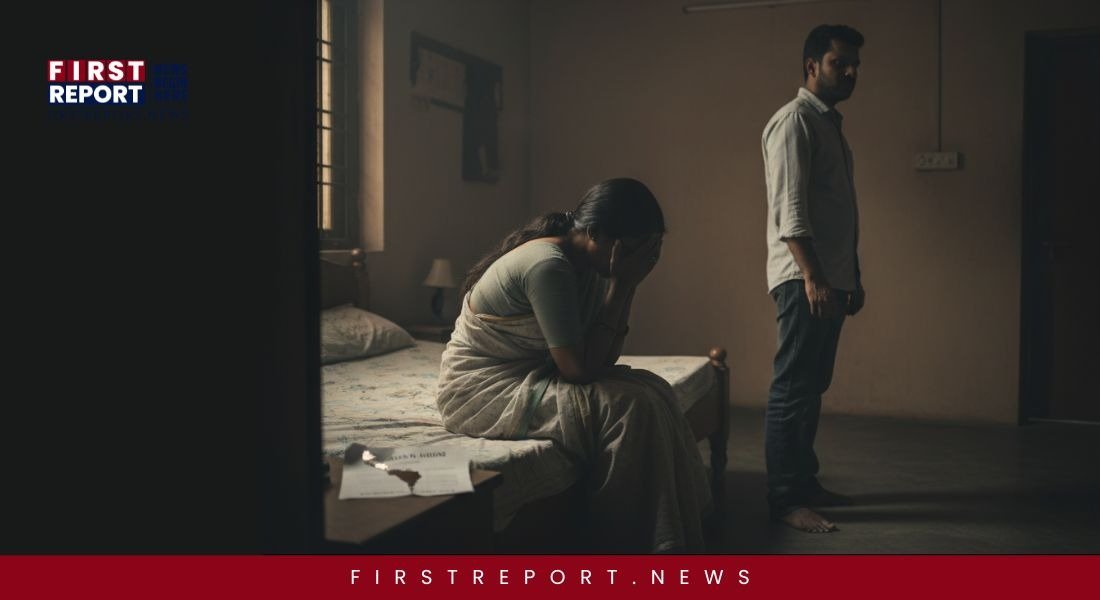
According to surveys, nearly 30% of married women in India face marital rape. Despite this alarming figure, the subject remains taboo and is hardly discussed openly. In Indian society, many still believe that marriage gives a man automatic rights over his wife’s body. But in reality, consent is as important as trust in a relationship. A “NO” should always mean NO.
Unfortunately, Section 375 of the Indian Penal Code (IPC) still contains provisions that indirectly protect marital rape. While it defines rape, it does not consider sexual intercourse between a husband and wife as rape if the wife is over 18 years of age. This exception implies that a woman cannot refuse sexual relations after marriage, giving husbands undue power over their wives.
Why Marital Rape Cannot Be Ignored
Rape is rape — whether by a stranger or a husband. Marriage is a legal contract between a man and a woman. This contract does not give you the right to lifelong consent for sex. Performing a sexual act against a woman’s will affects her mental health, dignity, and physical well-being. No one can give this right to anyone except by personal choice, just like that, not even marriage can provide protection against such violence.
Violation of Constitutional Rights
The existing marital rape laws in India are against the Constitution:
- Article 14 – This guarantees equality and equal protection under the law. Allowing marital rape is discriminatory against women.
- Article 21 – This guarantees the right to life and personal liberty. Forcing someone to have sex without their consent is a violation of this right.

Justice Verma Committee, 2013
The Justice Verma Committee recommended criminalising marital rape. However, the government rejected it on three grounds:
- It could destabilise the institution of marriage.
- Marriage implies consent for sexual acts.
- The burden of proof would be difficult.
But are these reasons valid?
- Even in eve-teasing or rape cases, the burden of proof lies on the accused.
- Difficulty in proving does not mean the act should not be considered a crime.
- A rapist remains a rapist, regardless of his relationship with the victim.
Current Legal Provisions
Although marital rape is not a criminal offence in India, some laws provide indirect remedies:
- Section 498A, IPC – Deals with cruelty (physical, emotional, sexual, or verbal). Punishable with up to 3 years imprisonment.
- Domestic Violence Act, 2005 – Provides civil remedies like protection orders, separation, and maintenance. However, the guilty is not imprisoned.

Why India Needs a Clear Law Against Marital Rape
- Justice delayed is justice denied. Lack of recognition keeps women silent
- Clear criminalisation will deter offenders.
- It will also provide grounds for divorce and legal separation.
- More importantly, it will give women the confidence to speak against abuse.
Marital rape is not merely a private matter, but a serious crime. Surveys show that millions of women silently endure this pain because the law refuses to acknowledge their suffering. Consent is the foundation of any relationship, including marriage. India must immediately criminalize marital rape to protect women’s dignity, equality, and freedom. Rape within marriage is still rape. The law should stand with the victims, not protect the perpetrators.