
The Union Budget is one of the most important policy documents for India’s economy. It has an annual impact on daily household expenses, jobs, education, taxes, and spending. With a population of more than 140 crore, India has a sizable youth labour force and a developing middle class. Economic surveys indicate that government spending is a key factor in employment and growth. In light of this, it is anticipated that the Union Budget 2026 will prioritise long-term development, inclusive growth, and economic stability. Budget announcements are closely watched by citizens, businesses, and students because they have a direct impact on future opportunities, income, and living expenses.
Economic Stats Shaping Union Budget 2026
- India’s economy continues to grow at one of the fastest rates in the world.
- Recent budgets have seen a steady rise in government capital spending.
- The two main issues facing the public are still inflation and employment.
- Online platforms and digital services now play a major role in the economy.
- Millions of households are impacted by public spending on welfare and infrastructure.
Focus on Economic Growth and Stability

Economic growth remains a core focus of the Union Budget 2026. The government is expected to balance growth with fiscal discipline. Higher public spending on infrastructure often supports job creation and boosts related industries. Logistics, housing, roads, and railroads all contribute to increased productivity and connectedness.
At the same time, managing inflation and fiscal deficit remains important. Daily costs like food, fuel, and transportation are impacted by rising prices. While maintaining growth-oriented spending, the budget may seek to preserve stability. Clear allocation and controlled borrowing help build investor confidence and support long-term economic health.
What Union Budget 2026 May Mean for the Middle Class

The middle class keeps a close eye on cost-of-living policies and income tax regulations. Expectations include reduced personal taxation, improved deductions, or streamlined tax systems. Rising education, healthcare, and housing costs have increased pressure on household budgets.
Apart from taxes, indirect measures also matter. Daily expenses are influenced by fuel prices, subsidies, and public transportation spending. Increases in disposable income lead to higher consumption, which boosts the economy. Union Budget 2026 may make an effort to strike a balance between middle-class relief and revenue requirements while taking affordability and savings into consideration.
Youth, Employment, and Skill Development

India’s population is young, and creating jobs is still a top priority. Union Budget 2026 is expected to support employment through skill development programmes, entrepreneurship schemes, and support for startups and small businesses.
Spending on vocational training and digital skills helps youth adapt to changing job markets. Hiring is also encouraged by support for manufacturing and services. Income levels and social stability are enhanced by a strong emphasis on employability. Budgetary decisions in this area affect long-term economic participation in addition to employment.
Education, Health, and Social Welfare
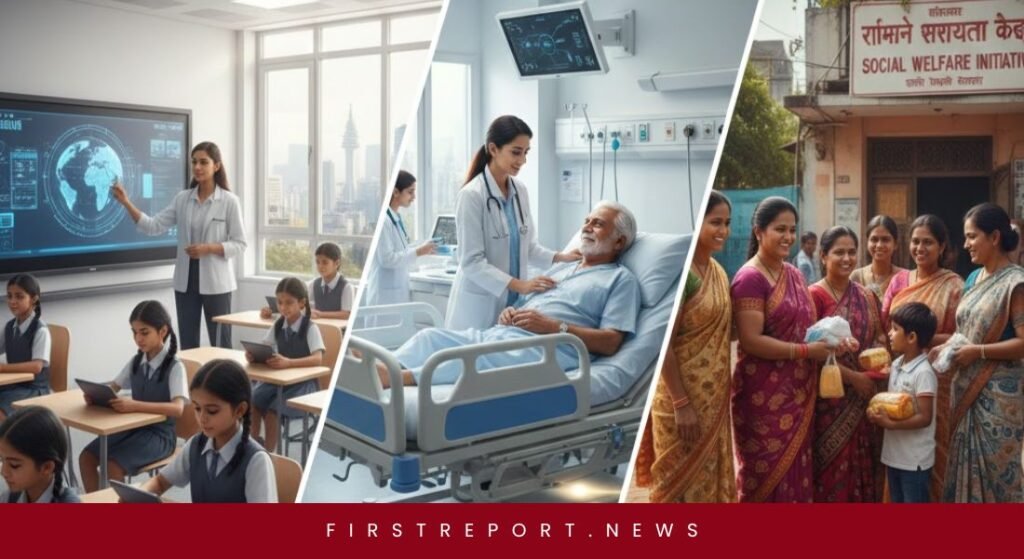
Social development is directly impacted by public spending on health and education. Union Budget 2026 might keep funding colleges, schools, and online learning environments. Better funding improves access and quality, especially for students from weaker sections.
Despite the recent global health challenges, health spending is still crucial. Out-of-pocket costs can be decreased by bolstering insurance programs, hospitals, and primary healthcare. Welfare programs pertaining to housing, food security, and women’s assistance are still crucial. These industries demonstrate how budgets seek to strike a balance between social responsibility and growth.
Infrastructure and Digital Economy Push
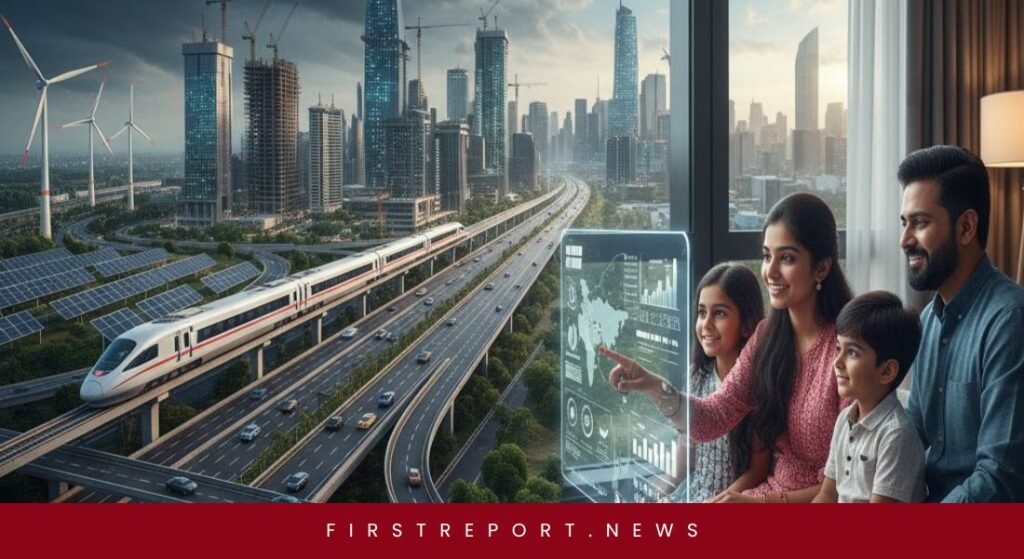
Long-term growth is supported by infrastructure investment. Trade and mobility are enhanced by roads, railroads, ports, and urban development initiatives. High capital expenditures in these areas might continue in the Union Budget 2026.
Digital economy growth is another focus. Efficiency and access are increased through the growth of online services, digital payments, and technology-driven governance. Support for innovation and digital infrastructure helps both urban and rural areas. Transparency and service delivery across sectors are also supported by this change.
Union Budget 2026: Expectations vs Impact
| Area | Public Expectation | Likely Impact |
| Taxation | Relief for the middle class | Higher disposable income |
| Jobs | More employment schemes | Better workforce participation |
| Infrastructure | Continued spending | Economic activity growth |
| Education | Better funding | Improved access and quality |
| Healthcare | Affordable services | Lower household burden |
Also Read: Positive and Negative Impacts of Budget 2025
Why Union Budget 2026 Matters to Common Citizens

Union Budget 2026 is more than just financial data. Salaries, savings, healthcare, education, and employment opportunities are all impacted. People’s spending, saving, and investing decisions are influenced by their budget.
For students, it shapes education funding and employment pathways. It has an impact on welfare support and taxes for families. It determines compliance and growth incentives for businesses. Comprehending budget priorities enables citizens to better manage their finances and remain up to date on policy developments. The budget reflects national priorities and impacts everyday life across income groups.
Conclusion
It is anticipated that the Union Budget 2026 will strike a balance between inclusion, stability, and growth. Policy decisions require careful planning due to growing aspirations and economic challenges. Focus on infrastructure, employment, education, and social welfare remains crucial.
While expectations vary across groups, the budget’s success depends on how effectively it addresses real needs. Clear priorities, responsible spending, and inclusive policies can support sustainable development. Keeping up with budgetary provisions enables citizens to comprehend how national decisions affect their economic and personal futures.